2025 Guide: How to Control Tire Pressure for Optimal Performance
Maintaining optimal tire pressure is crucial for ensuring the best performance of your vehicle, as it directly impacts safety, fuel efficiency, and tire longevity. As we look towards 2025, understanding how to control tire pressure will not only enhance driving experiences but also contribute to a more sustainable approach to vehicle ownership. Proper tire pressure helps improve traction, handling, and braking performance, making it a vital aspect of vehicle maintenance that every driver should prioritize.
In an era where technology continues to evolve, the methods for monitoring and controlling tire pressure have become more advanced and accessible. From the integration of digital tire pressure monitoring systems to the development of user-friendly apps, the tools available empower drivers to take proactive measures in managing their tire health. This guide will provide insights into effective techniques for controlling tire pressure, ensuring that your vehicle performs at its peak while promoting safety on the roads.
As we delve into the essential practices for maintaining the right tire pressure, this article aims to equip you with the knowledge to make informed decisions. By understanding the significance of tire pressure management, you can contribute not just to your vehicle's performance, but also to overall road safety and environmental sustainability.

Understanding Tire Pressure and Its Importance for Performance
Tire pressure is a critical element that significantly influences vehicle performance, safety, and fuel efficiency. Properly inflated tires ensure optimal contact with the road, providing better traction and handling. When tire pressure is too low, the increased surface area in contact with the ground can lead to greater rolling resistance, resulting in reduced fuel economy and increased wear on the tires. Conversely, over-inflated tires can lead to a harsh ride and diminished grip, especially in adverse weather conditions. Therefore, understanding and maintaining the correct tire pressure is essential for maximizing performance.
Regularly checking tire pressure is a straightforward yet often overlooked maintenance task. For optimal performance, drivers should measure tire pressure at least once a month and before long trips. It is advisable to check tire pressure when the tires are cold, as driving can cause heat to increase the pressure readings. Knowing the manufacturer’s recommended pressure levels, typically found in the vehicle owner’s manual or on a sticker inside the driver’s door, allows drivers to adjust their tires appropriately. By ensuring tires are at the correct pressure, drivers can enhance their vehicle’s handling, prolong tire life, and improve overall safety on the road.
Recommended Tire Pressure Levels for Different Vehicle Types
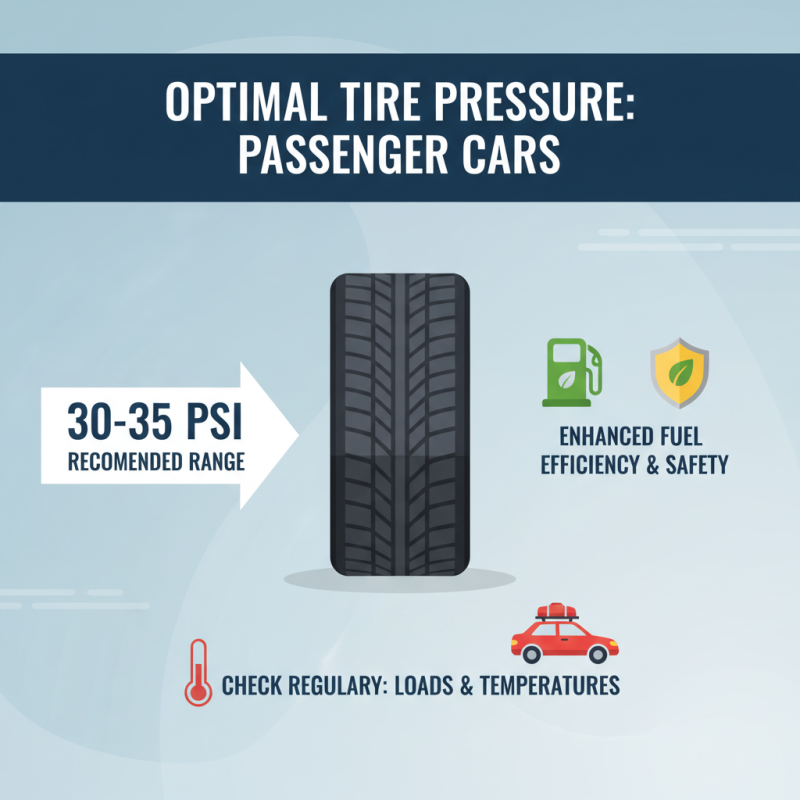
When it comes to maintaining optimal tire pressure, understanding the recommended levels for different vehicle types is essential for enhancing performance and safety. For passenger cars, the typical recommended tire pressure generally ranges from 30 to 35 PSI (pounds per square inch). This range supports overall stability and fuel efficiency, ensuring that drivers experience a smooth ride while minimizing tire wear. Regular checks, especially under varying loads or temperatures, are crucial as tire pressure can fluctuate due to external conditions.
On the other hand, light trucks and SUVs often require higher pressure levels, generally between 35 to 45 PSI, depending on the manufacturer's specifications and load capacity. This higher pressure helps support the added weight and ensures adequate traction on diverse terrains. For heavy-duty vehicles, such as commercial vans or trucks, recommended pressures may exceed 50 PSI, optimizing their load-bearing capabilities and handling during transportation. Regardless of vehicle type, regular monitoring of tire pressure and adhering to these recommended levels will not only extend tire life but also promote safer driving experiences.
Methods to Measure and Monitor Tire Pressure Accurately
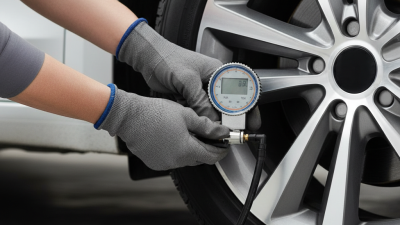
Accurate measurement and monitoring of tire pressure are crucial for maintaining optimal vehicle performance and safety. One of the most effective methods to gauge tire pressure is the use of a digital tire pressure gauge. This handheld device provides precise readings and is easy to use, often featuring a backlit display for better visibility. For best results, it's recommended to check tire pressure when the tires are cold, as heat generated from driving can inflate the readings.
In addition to manual gauges, electronic tire pressure monitoring systems (TPMS) offer a more automated solution. These systems monitor tire pressure in real time and alert drivers when the pressure falls below optimal levels. Utilizing either method ensures proactive maintenance, which not only improves fuel efficiency but also extends the lifespan of the tires. Regularly checking tire pressure can help prevent uneven wear, reduce the risk of blowouts, and enhance overall driving comfort.
2025 Tire Pressure Measurement and Monitoring
This chart displays the average tire pressure (in PSI) measured across different months in 2025. Maintaining optimal tire pressure is crucial for vehicle performance, fuel efficiency, and safety.
Adjusting Tire Pressure: When and How to Do It
Adjusting tire pressure is crucial for maintaining optimal vehicle performance and safety, yet many drivers overlook this essential maintenance task. According to the U.S. Department of Transportation, under-inflated tires can reduce fuel efficiency by up to 3% for every 1 PSI drop in pressure. This significant impact underscores the necessity of regular checks, ideally at least once a month, or before embarking on long journeys.
When it comes to when to adjust tire pressure, the best time is when the tires are cold, typically in the morning before the vehicle has been driven. This is because heat generated during driving can cause the air in the tires to expand, leading to inaccurate pressure readings. It’s also important to check pressures after significant temperature changes, as tire pressure can drop by about 1 PSI for every 10°F decrease in temperature.
Tips for maintaining proper tire pressure include investing in a quality pressure gauge and familiarizing yourself with the recommended PSI for your vehicle, which can usually be found on a sticker inside the driver's door. Regularly inspecting tires for visible damage and wear can also alert drivers to issues that may affect tire performance. Keeping tires properly inflated not only enhances handling and safety but also extends the lifespan of the tires, ensuring that your vehicle operates at peak efficiency.
2025 Guide: How to Control Tire Pressure for Optimal Performance
| Tire Type |
Recommended Pressure (psi) |
Adjustment Frequency |
Optimal Temperature Range (°F) |
| Passenger Car Tires |
30-35 |
Monthly |
30-70 |
| SUV Tires |
32-40 |
Biweekly |
30-80 |
| Truck Tires |
40-60 |
Weekly |
20-90 |
| Performance Tires |
28-35 |
Weekly |
40-100 |
| Winter Tires |
30-35 |
Monthly |
-20-40 |
Common Mistakes to Avoid in Tire Pressure Management
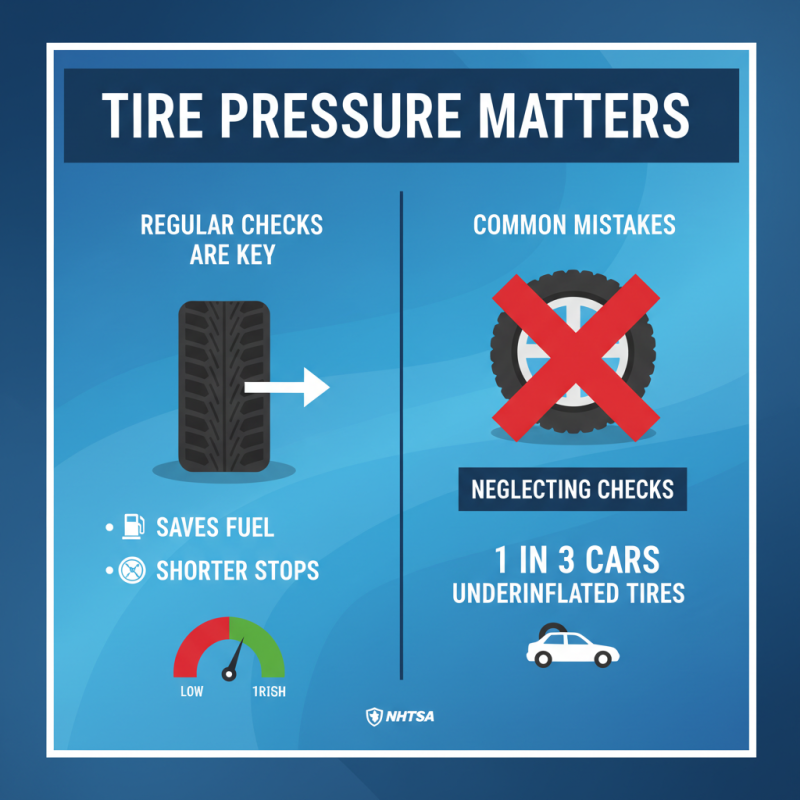
Tire pressure management is crucial for the safety and performance of any vehicle, yet many drivers overlook common mistakes that can lead to suboptimal conditions. One prevalent error is neglecting to check tire pressure regularly. According to the National Highway Traffic Safety Administration (NHTSA), nearly one-third of vehicles on the road have at least one tire under-inflated by 25% or more, which can severely impact fuel economy and extend stopping distances.
Another common mistake involves adjusting tire pressures when tires are hot. It’s essential to measure tire pressure when the tires are cold. A study by the Rubber Manufacturers Association indicates that tire pressure can increase by 1-2 psi for every 10°F increase in temperature. Therefore, inflating tires after driving can yield inaccurate readings and potentially lead to over-inflation, impacting handling and tread wear.
**Tips:** Always check your tire pressure in the morning before you drive, as this is when the tires are cold. Keeping a reliable tire gauge in your vehicle can ensure you’re prepared for routine checks. Additionally, remember to consult your vehicle’s owner manual or the placard on the driver’s side door for the correct tire pressure specifications. Properly maintaining tire pressure not only enhances safety but also improves fuel efficiency, contributing to a more sustainable driving experience.