2025 Top Tire Valve Sensor Innovations You Need to Know
As we move towards a more technologically advanced automotive landscape, the importance of tire safety and performance has never been more critical. One of the key innovations making waves in this domain is the tire valve sensor. These devices are integral to modern vehicles, providing real-time data that enhances overall safety and efficiency. Understanding the most recent developments in tire valve sensor technology is essential for any automotive enthusiast or professional aiming to keep up with industry trends.
In 2025, the tire valve sensor innovations promise to revolutionize how we monitor tire health and performance. From advanced features that enable better communication between tires and vehicle systems to improved durability and accuracy in readings, these innovations are set to enhance the driving experience significantly. Whether you're interested in the integration of smart technologies, the potential for predictive maintenance, or the insights offered by data analytics, staying informed about these developments is crucial. By embracing the latest tire valve sensor innovations, drivers can look forward to safer travels and optimized vehicle performance.
Emerging Technologies in Tire Valve Sensor Innovations
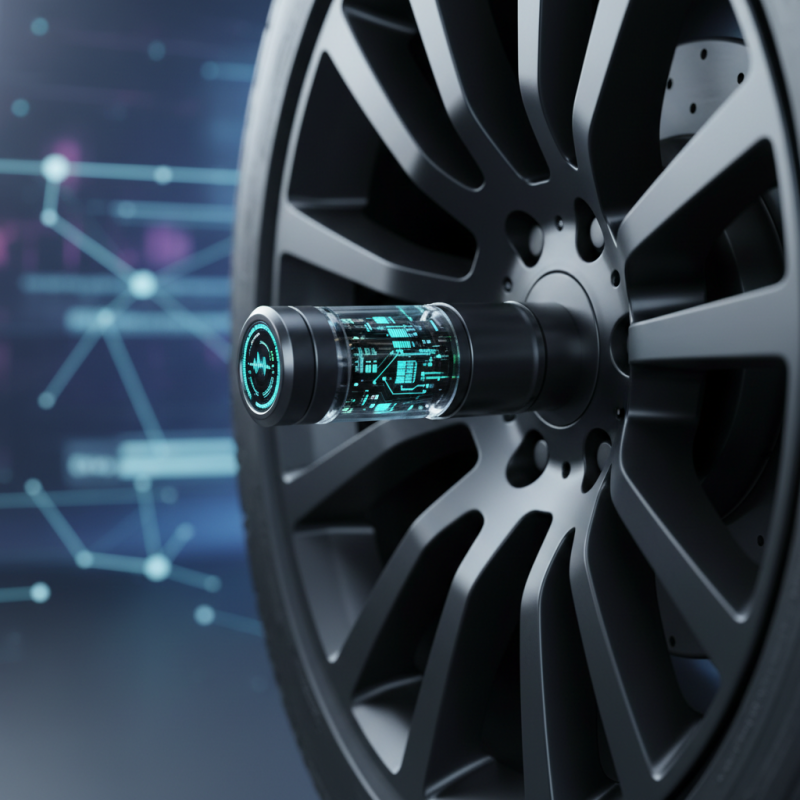
The tire valve sensor industry is witnessing an exciting transformation, driven by emerging technologies that promise to enhance vehicle safety and performance. At the forefront of these innovations are advancements in wireless communication protocols, such as Bluetooth and RFID, which enable real-time data transmission between sensors and vehicle onboard systems. This seamless connectivity allows for more accurate monitoring of tire pressure and temperature, significantly reducing the risk of tire blowouts while improving fuel efficiency.
Another notable trend is the integration of artificial intelligence and machine learning algorithms into tire valve sensors. These technologies facilitate predictive maintenance by analyzing data patterns over time and providing alerts for potential issues before they escalate. This proactive approach not only enhances driver safety but also extends the lifespan of tires by encouraging timely replacements and maintenance. As we move towards 2025, these emerging technologies will redefine the capabilities of tire valve sensors, making them an indispensable component of modern automotive systems.
Key Features of Next-Generation Tire Valve Sensors
As the automotive industry continues to pursue advancements in safety and efficiency, the next-generation tire valve sensors are at the forefront of innovation. Key features of these new sensors include improved accuracy in tire pressure monitoring, enhanced responsiveness, and integration with vehicle diagnostic systems. According to a recent report by MarketsandMarkets, the global tire pressure monitoring system market is projected to reach $7.4 billion by 2026, growing at a CAGR of 6.9%. This growth is driven by the rising adoption of smart technologies in vehicles, making advanced tire valve sensors essential for optimized performance.
Moreover, today's tire valve sensors often incorporate wireless technology, facilitating real-time data transmission and monitoring. This capability allows drivers to receive alerts directly on their dashboards regarding tire conditions, potentially reducing the risk of blowouts or accidents. According to a study by Technavio, about 70% of accidents linked to tire failures could be prevented with more sophisticated monitoring systems. Additionally, these next-gen sensors are designed to be more durable and resistant to environmental factors, ensuring longevity and reliability in a variety of driving conditions. As these innovations take center stage, they represent a significant leap forward in automotive technology and driver safety.
Benefits of Advanced Tire Valve Sensor Systems
Advanced tire valve sensor systems are revolutionizing the automotive industry by enhancing vehicle safety and performance. These innovative sensors monitor tire pressure, temperature, and overall tire health in real-time, providing drivers with critical information that can prevent accidents and improve fuel efficiency. By immediately alerting drivers to any irregularities, such as low tire pressure or overheating, these systems help in taking timely action, thereby reducing the risk of tire blowouts and ensuring a smoother driving experience.
Moreover, the integration of advanced sensor technology in tire valve systems offers additional benefits, such as improved sensor accuracy and longevity. Many of these new systems are designed to withstand harsher conditions and have built-in self-diagnostic capabilities, ensuring that they function optimally over time. This not only reduces maintenance costs but also increases the reliability of tire performance. Ultimately, the adoption of these advanced tire valve sensor systems leads to smarter vehicle management, empowering drivers with data-driven insights that enhance safety and efficiency on the road.
2025 Top Tire Valve Sensor Innovations You Need to Know - Benefits of Advanced Tire Valve Sensor Systems
| Feature |
Benefit |
Technology |
Sensor Type |
Average Cost ($) |
| Real-Time Monitoring |
Improved safety and performance |
Wireless Technology |
TPMS |
50 |
| Temperature Sensitivity |
Prevents tire blowouts |
Thermal Sensors |
Active Sensors |
60 |
| Self-Calibrating Technology |
Reduces maintenance costs |
Smart Algorithms |
Passive Sensors |
70 |
| Integration with Vehicle Systems |
Enhanced data visibility and analytics |
IoT Connectivity |
Multi-sensor Systems |
80 |
| Battery Life Improvement |
Longer service intervals |
Advanced Battery Technology |
Active Sensors |
90 |
Future Trends in Tire Valve Sensor Development
As the automotive industry pushes towards greater efficiency and safety, tire valve sensor innovations are at the forefront of this evolution. According to a recent report by MarketsandMarkets, the global tire pressure monitoring system market is expected to reach $3.5 billion by 2025, driven by the increasing adoption of advanced driver-assistance systems (ADAS). This surge is largely attributed to the integration of smart technologies into vehicles, enhancing both consumer safety and performance.
Future trends in tire valve sensor development highlight the shift towards wireless technology and IoT connectivity. These advancements enable real-time monitoring of tire conditions, allowing drivers to receive alerts about pressure drops or temperature fluctuations directly on their smartphones. A study from Frost & Sullivan indicates that more than 50% of new vehicles will be equipped with connected tire sensors by 2025, resulting in significant improvements in fuel efficiency and tire longevity.
**Tip:** When choosing a vehicle with advanced tire valve sensors, consider models that offer direct communication with a mobile app for enhanced monitoring capabilities. This not only provides peace of mind but also helps in maintaining optimal tire health, thereby improving overall driving safety. Additionally, be sure to regularly check tire pressure manually in conjunction with the sensor readings to ensure accuracy.
2025 Top Tire Valve Sensor Innovations You Need to Know
This chart illustrates the key innovations in tire valve sensors for 2025, highlighting areas such as pressure monitoring, temperature monitoring, and ease of installation. Each dimension reflects the effectiveness and advancements expected in tire valve sensor technology, essential for enhancing vehicle safety and performance.
Industry Applications of Innovative Tire Valve Sensors
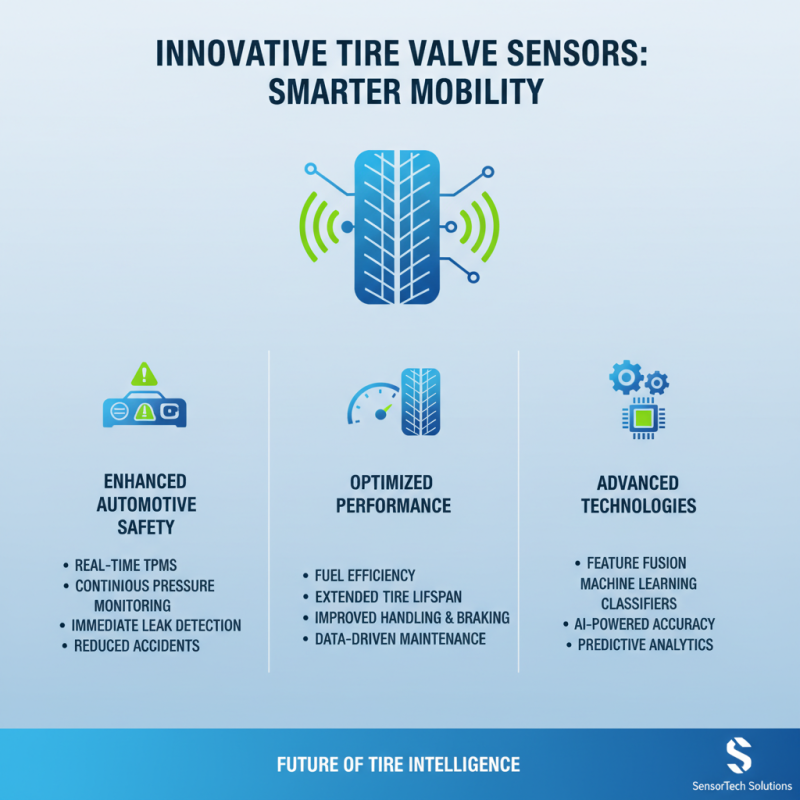
Innovative tire valve sensors are driving significant advancements across various industries, particularly in automotive safety and performance. The integration of real-time tire pressure monitoring systems (TPMS) enhances vehicle safety by continuously measuring air pressure within tires, enabling immediate detection of discrepancies. Recent innovations focus on utilizing advanced technologies, such as feature fusion and machine learning classifiers, to optimize the performance and reliability of these sensors.
As industry leaders forge strategic partnerships to enhance research and development, the importance of these innovations becomes even clearer. With China's evolving landscape as an innovation hub, companies are harnessing state-of-the-art technology to improve tire performance and safety. For example, nitrogen-filled pneumatic tires have gained popularity due to their superior pressure management and thermal stability compared to traditional air-filled alternatives.
**Tips:** When selecting tire valve sensors, prioritize those that offer advanced features for better safety and monitoring. Regularly check and maintain your tire pressure to prolong tire lifespan and enhance fuel efficiency. Stay informed about the latest developments in tire technology to ensure optimal performance on the road.