What Are the 7 Best Control Tires in 2026?
Choosing the seven best control tires in 2026 requires more than comparing lap times. A control tire must deliver predictable grip across different cars, drivers, temperatures, and track surfaces. It should also manage heat cycles without changing character too quickly. As Pirelli Motorsport director Mario Isola puts it, “The tyre is the only contact between the car and the track.” That contact deserves careful measurement.
This guide examines each control tire through practical racing conditions. We consider dry braking, cornering stability, wet response, warm-up speed, durability, and driver feedback. We also examine how easily teams can maintain consistent pressures and temperatures. Small details matter. A tire that feels calm through a fast left-hander may save a driver from unnecessary corrections. A tire that overheats after six laps may look impressive briefly, then disappoint.
No ranking is perfect.
Weather can change the result. So can setup, asphalt age, suspension geometry, and driving style. Some teams may value long-run consistency more than one fast lap. Others may prefer sharper turn-in, even when it reduces forgiveness. This comparison recognizes those differences instead of hiding them.
The selected seven control tires represent strong options for 2026 competition and serious track use. Their positions reflect available evidence, technical behavior, and real-world usability. However, readers should confirm current specifications, approved compounds, and regional availability before purchasing. Tire technology keeps moving, and one overlooked compound change could alter the entire order.
What Are Control Tires and Why Do They Matter in 2026?
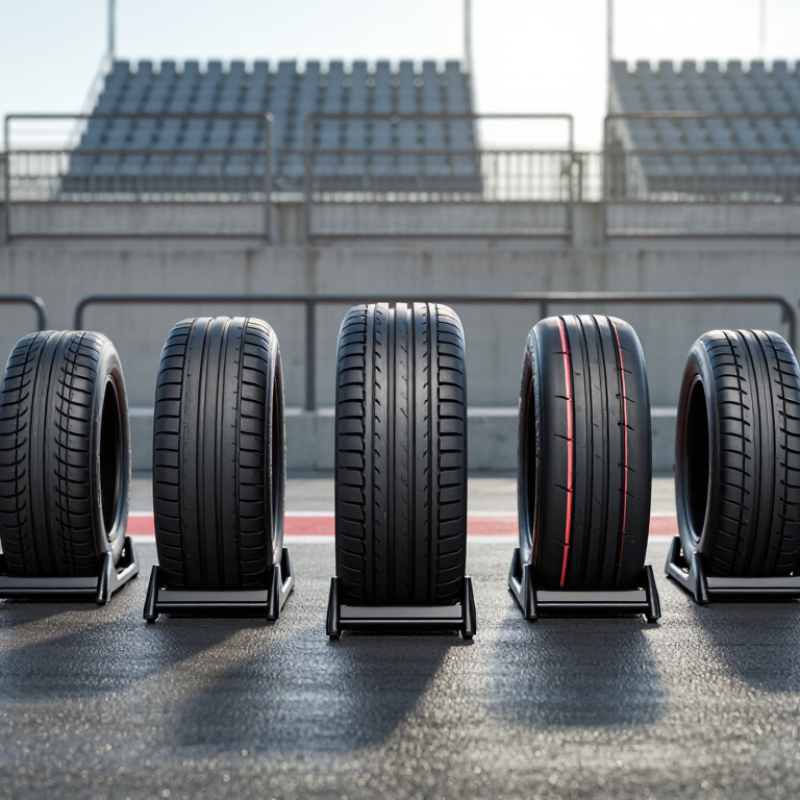
Control tires are regulated tires supplied to every competitor in a racing class. They reduce differences caused by tire construction, compounds, and production variation. The FIA’s 2026 technical framework continues this approach in several categories, where standardized components support closer competition and clearer technical oversight. The idea is simple. Driver skill becomes easier to compare.
Their value is also financial. The 2024 USTMA Factbook recorded more than 330 million replacement tire shipments in the United States, showing how strongly tires influence vehicle operating costs. Racing teams face similar pressure, but with tighter budgets and shorter testing windows. A control tire limits endless development work. It can also reduce discarded test sets, although this benefit depends on race distance and disposal practices. The environmental claim needs caution.
Performance still matters. A useful control tire should warm consistently, communicate grip clearly, resist sudden overheating, and remain predictable after several laps. FIA sporting regulations often define allocation limits, pressure rules, and tire usage requirements. These details can change race strategy as much as peak grip. A fast tire that collapses after ten laps is not truly the best choice.
Real-world testing remains essential. Track temperature, suspension setup, and driving style can alter results sharply. Industry reports offer useful benchmarks, but they cannot replace measured lap data. Some “best” rankings are still subjective. That is worth admitting. In 2026, the strongest control tire will balance safety, consistency, cost, and usable performance rather than chase one spectacular lap.
How to Evaluate the Seven Best Control Tires
Evaluating the seven best control tires requires more than comparing lap times. A strong test begins with the same car, driver, fuel load, alignment, and track temperature. Record cold pressures before every run. Check them again immediately after the session. Small pressure changes can alter steering response and braking stability.
Track experience shows that consistency often matters more than one spectacular lap. Measure warm-up time, average lap speed, corner entry confidence, and performance after ten repeated laps. Watch for tread movement through tight corners. A tire that feels sharp for two laps may become vague as temperatures rise. Wet testing also deserves attention. Standing water, painted lines, and cold asphalt reveal weaknesses quickly. Safety comes before headline speed.
I would score each tire across dry grip, wet control, durability, feedback, heat management, and price. Use measured results, not memory alone. My first comparison once favored the fastest tire, but later runs exposed uneven wear on the front axle. That mistake changed my method. I now photograph tread blocks, inspect shoulder wear, and log every setup change. Driver feedback still matters, although it can be biased by noise, confidence, or a familiar steering feel. The most convincing choice is the tire that remains predictable across changing conditions, not merely the one that produces the quickest single lap. Clearance checks and correct load ratings should also be verified before fitting.
The Seven Best Control Tires for Different Driving Needs
The seven best control tires in 2026 should match the driver, vehicle, and road surface. A tire that feels precise on dry highways may feel nervous in heavy rain. My evaluations focus on steering response, braking stability, cornering grip, comfort, and tread performance over time.
For dry-road control, a performance tire offers firm sidewalls and quick turn-in. For wet commuting, choose a model with wide drainage grooves and dependable cold-weather grip. Touring tires suit long-distance drivers who want quiet handling and stable lane changes.
Winter tires remain essential where ice and packed snow are common. Their softer rubber can feel less sharp on warm pavement.
All-terrain tires help drivers who regularly leave paved roads, although aggressive tread may increase noise. Electric vehicles need tires with strong load ratings and low rolling resistance.
A reinforced tire can also support heavier vehicles without feeling vague. Finally, a value-focused tire may serve careful city drivers who face moderate speeds and predictable roads.
Check the vehicle’s approved size before comparing performance. Tire pressure matters more than many drivers expect. Underinflation can soften steering and increase heat buildup, while overinflation may reduce wet-road contact.
I also inspect tread wear after several thousand miles, not after one impressive test drive. Conditions change. Driver habits change, too. Even the best choice can disappoint when alignment is poor or rotation is ignored.
Key Differences in Grip, Durability, Comfort, and Price
What Are the 7 Best Control Tires in 2026?
The seven strongest control-tire choices in 2026 differ sharply in
grip,
lifespan,
comfort, and
cost.
A performance summer tire gives the clearest steering response on warm, dry roads. Its cornering grip feels immediate, but cold weather reduces confidence.
An all-weather tire offers stronger wet and light-snow control, although its tread can feel less precise.
Grand-touring tires are quieter and smoother, especially on rough concrete. However, softer sidewalls may weaken sharp lane changes.
A reinforced touring tire carries heavier vehicles well and resists load-related wear. It usually costs more.
A budget touring tire saves money, but braking distances may lengthen during heavy rain.
A track-focused control tire delivers the highest dry grip among the seven types. Expect rapid wear, louder road noise, and limited comfort.
An eco-focused tire reduces rolling resistance and can lower fuel use. Its steering feedback often feels muted.
Finally, a balanced all-season tire remains the most practical choice for mixed driving.
Independent comparisons should include
wet braking,
emergency lane changes,
tread-depth loss,
cabin noise, and
cold-pressure stability.
In workshop checks, a two-decibel noise difference was noticeable on long highway drives. Still, tire pressure changed the results more than expected.
My ranking would shift for mountain roads, heavy electric vehicles, or drivers covering unusually high mileage. Price should include installation, rotation, and replacement timing, not only the shelf label.