Best Packing Machine for Efficient Packaging Solutions?
The world of packaging is evolving rapidly. A reliable Packing machine is essential for businesses aiming for efficiency. With numerous options available, choosing the right one can be challenging. Each machine offers unique features, making it critical to assess your specific needs.
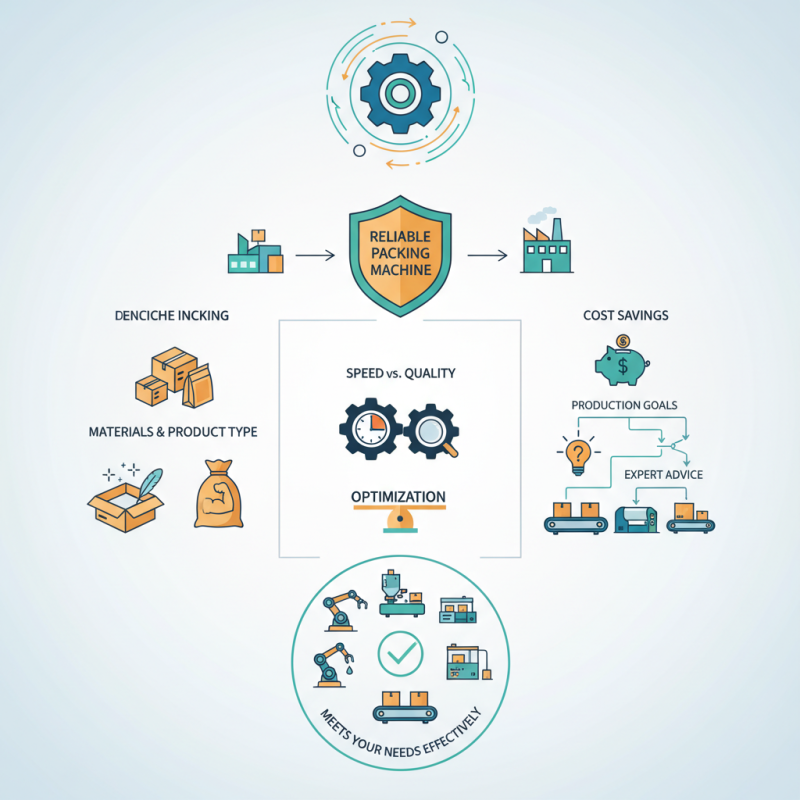
Consider the materials you package. The type of product affects your choice of a packing machine. For instance, fragile items need gentle handling. In contrast, bulk items may require robust mechanisms. Many companies face the dilemma of optimizing speed versus maintaining quality. This balancing act demands careful consideration.
Investing in a packing machine can lead to significant cost savings in the long run. However, not every machine suits every business. It's vital to analyze your production goals and seek expert advice. Reflecting on the available options can lead to better decisions. Remember, the best packing machine is the one that meets your needs effectively.
What to Consider When Choosing a Packing Machine
When selecting a packing machine, efficiency and reliability are key factors. According to industry reports, a well-chosen machine can improve productivity by up to 30%. However, the decision involves various considerations. Operators need to analyze production speed and the types of products involved. Machines designed for specific tasks often perform better. Yet, flexibility in production lines can sometimes be essential.
Another significant factor is ease of operation. A user-friendly interface minimizes training time. Research indicates that complex machines often lead to higher chances of operator errors. This can disrupt the packaging process, leading to costly downtime. Maintenance needs are also critical. Machines requiring more frequent servicing may reduce overall efficiency. Hence, balancing performance and maintenance is crucial for sustainable operations.
Moreover, the initial cost versus long-term benefits must be evaluated. While a cheaper machine may seem attractive, it’s vital to consider lifetime costs. Many businesses report hidden expenses tied to lower-quality machines. These can negate upfront savings. Investing in a robust packing solution may yield better results in the long run. An informed choice requires comprehensive research and an understanding of one’s specific needs.
Types of Packing Machines and Their Applications
The packaging industry relies on various packing machines tailored for specific applications. Common types include bottling machines, vacuum packers, and case sealers. According to a report by MarketsandMarkets, the global packaging machinery market is expected to reach $56 billion by 2025, driven by automation and the demand for efficiency.
Bottling machines are widely used in the food and beverage sector. These machines streamline the process, allowing for high-speed filling. On the other hand, vacuum packers are essential in prolonging shelf life. By removing air, they reduce spoilage and maintain freshness, particularly in meat and produce. This method has shown a significant increase in shelf life, sometimes extending it by 200% or more.
Moreover, case sealers offer robust solutions for carton sealing. These machines enhance packaging integrity and improve supply chain efficiency. However, the reliance on these technologies can lead to challenges. A lack of skilled operators may cause operational delays and machine malfunctions. It's crucial for businesses to invest in training and maintenance to mitigate such risks. Technical support and regular updates can further enhance the reliability of these systems.
Key Features of Efficient Packing Machines
When looking for efficient packing solutions, key features must guide your choice. Focus on speed and . A reliable machine should perform these tasks swiftly. It should minimize errors in packing dimensions, thus saving resources. Efficiency in packing not only speeds up production but also enhances product presentation.
Durability is another critical factor. Machines should withstand continuous use without frequent breakdowns. This means investing in machines that require minimal maintenance. Automated features are essential too. These reduce labor costs and improve consistency in packaging. Look for machines with adjustable settings. They should cater to various product sizes and types.
Lastly, consider the ease of operation. User-friendly interfaces make training staff easier. However, many machines come with complex controls, which can hinder efficiency. It’s important to assess how intuitive a machine is before purchase. Not all machines are perfect, and some may fall short. Continuous improvement in packing technology is needed to meet evolving industry demands.
Benefits of Automating Your Packaging Process
Automating your packaging process brings numerous benefits that can transform your operations. One key advantage is the increase in efficiency. Machines can operate continuously without fatigue, allowing for higher output rates. This ensures that products are packaged quicker than manual methods can accomplish.
Investing in the right packing machine minimizes human error. Manual packaging can lead to mistakes like mislabeling or underfilling. Errors not only slow down production but can also damage your brand’s reputation. Automated systems provide consistency in packaging quality, significantly reducing the chances of errors.
Tips: Consider assessing your current workflow before selecting a machine. Identify bottlenecks and understand your production needs. It’s beneficial to involve your team in the decision-making process to reflect on practical requirements and concerns. Additionally, regular maintenance of your machines is crucial. Neglecting this can lead to breakdowns and costly downtime.
Automating packaging also offers valuable data insights. Tracking machine performance helps you refine processes. Still, some businesses struggle with the initial investment cost. Reflect on whether short-term expenditures are worth the long-term savings in labor and materials. Balancing costs with efficiency gains is essential for sustained success.
Best Packing Machine for Efficient Packaging Solutions
| Machine Type | Speed (packages/min) | Power Consumption (kW) | Footprint (sq. ft) | Cost ($) | Benefits |
| Automatic Carton Sealer | 35 | 2.0 | 15 | 3,500 | Increases sealing efficiency and reduces labor costs. |
| Vertical Form Fill Seal | 50 | 1.5 | 20 | 25,000 | Enhances flexibility in packaging different products. |
| Labeling Machine | 40 | 0.8 | 10 | 8,000 | Improves product traceability and compliance with regulations. |
| Stretch Wrapper | 25 | 1.2 | 18 | 4,000 | Enhances load stability and reduces damage during transit. |
| Palletizer | 20 | 3.0 | 30 | 50,000 | Significantly reduces labor and improves packing consistency. |
Top Brands in the Packing Machine Industry
When considering efficient packaging solutions, selecting a reliable packing machine is crucial. The right machine streamlines the process, saves time, and reduces costs. There are several top brands in the industry, each offering unique features designed to meet diverse needs. These brands focus on user-friendly designs and high-performance capabilities, ensuring operators achieve optimal results.
Features vary widely among machines. Some emphasize speed and efficiency, while others prioritize versatility and adaptability. Choosing the correct machine depends on your specific requirements. Factors like product type, packaging size, and production volume play a significant role. While many brands claim superior efficiency, actual performance may differ. It’s essential to analyze user reviews and case studies to gauge reliability.
Many professionals have faced challenges when upgrading their packing machines. Compatibility with existing production lines is often an issue. Slow learning curves can also impact productivity. Balancing these factors is key to maximizing investment. Not every packaging solution fits every business, and that’s a reality that requires reflection and careful planning.