Top 5 Best Tire Sensors for Improved Safety and Performance?
Tire sensors play a crucial role in vehicle safety and performance. These devices monitor tire pressure and temperature, helping to prevent accidents. Understanding their importance is essential for all drivers. Proper tire maintenance can significantly impact fuel efficiency and handling.
Choosing the right tire sensors can be overwhelming. There are many options on the market, each with various features and price points. It’s important to evaluate what suits your needs best. Some sensors may offer advanced technology, while others provide basic functionality. Discerning the right choice requires careful consideration.
In this guide, we will explore the top five tire sensors available today. Each option has its strengths and weaknesses. Some may excel in accuracy, while others focus on ease of use. Reflecting on your priorities will aid in selecting the best fit for your vehicle. Safety and performance are within reach with the right tire sensors.
Understanding Tire Sensors: What They Are and How They Work
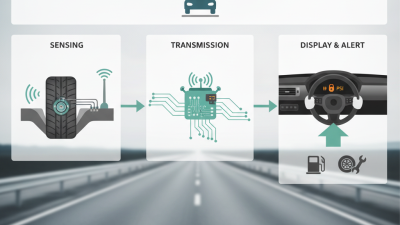
Tire sensors are essential components in modern vehicles. They monitor tire pressure and temperature, ensuring optimal performance. When these sensors detect low pressure, they alert the driver. This alert can prevent potential blowouts, enhancing safety on the road.
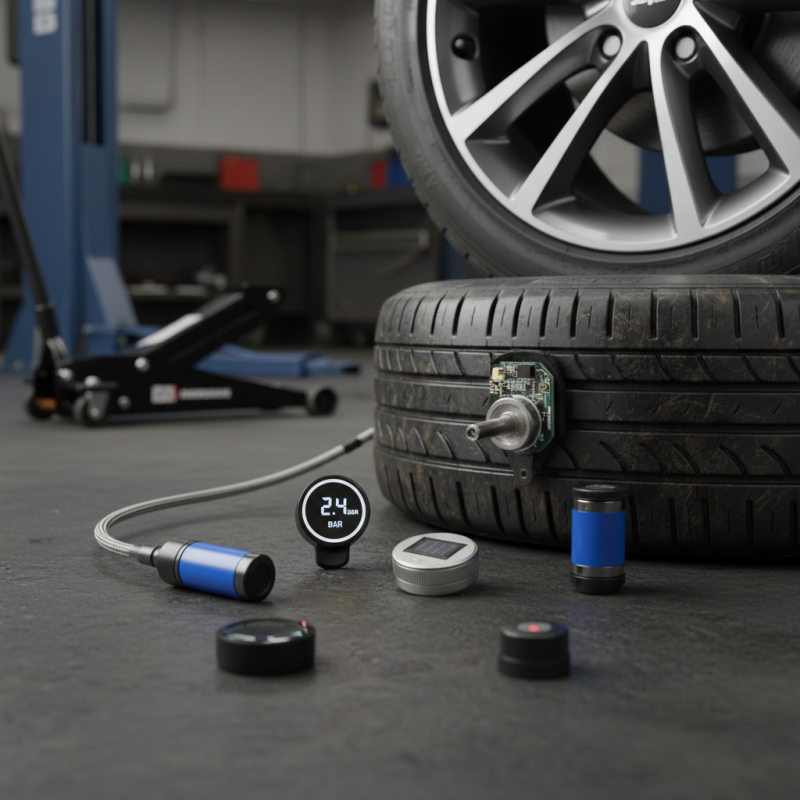
The technology behind tire sensors involves small electronic devices. They are often fitted inside the tire, directly monitoring pressure and temperature. Each sensor sends data to the vehicle’s onboard computer. However, installation can be tricky. Some may struggle during replacement or calibration. A small error can lead to incorrect readings.
Regular maintenance is key for tire sensors. Checking the battery life is vital. Sometimes, sensors can fail or produce false alarms. Drivers might ignore warnings, thinking everything is fine. This can lead to serious safety issues. Awareness of your tire sensors and their function plays a vital role in safe driving.
Key Features to Look for in Tire Sensors for Safety
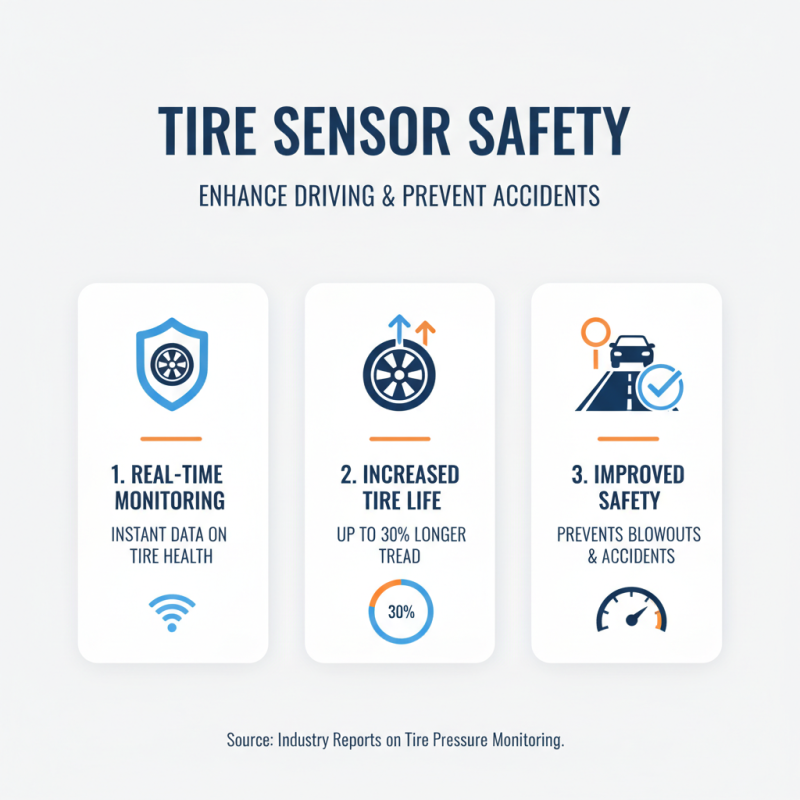
When selecting tire sensors, prioritizing safety is essential. The right features can prevent accidents and enhance the driving experience. According to industry reports, proper tire pressure monitoring can increase tire lifespan by up to 30%. This underlines the importance of real-time data on tire health.
Look for sensors that provide accurate pressure and temperature readings. A study from the National Highway Traffic Safety Administration (NHTSA) revealed that under-inflated tires contribute to nearly 600 fatalities annually. Sensors with rapid response times can alert drivers immediately, allowing for timely intervention. Additionally, consider sensors with easy installation. DIY installation can save time, but complex setups might deter some users.
Wireless connectivity is another crucial feature. Devices that integrate with smartphones or onboard systems enhance usability significantly. However, be mindful of potential connectivity issues. Some sensors may fail to provide consistent data due to signal interference. Regular calibration and updates are essential for maintaining accuracy. Real-world testing shows that nearly 15% of sensors fall out of sync over time, raising questions about reliability. Prioritizing these features ensures better safety and performance on the road.
Top 5 Tire Sensors: Reviews and Comparisons
When it comes to tire sensors, several options stand out for enhancing safety and performance. These devices monitor tire pressure, temperature, and wear. Keeping track of these factors is crucial for safe driving. An accurate tire sensor can alert drivers to under-inflation or pressure changes. This prevents blowouts and enhances fuel efficiency.
Many drivers prioritize compatibility and ease of installation. Some sensors connect seamlessly with mobile apps. This allows real-time monitoring while on the road. However, not all sensors offer the same level of accuracy. Some may require frequent calibration. Drivers should read reviews and consider user experiences when choosing a sensor.
Budget is also an important factor. Quality tire sensors can vary significantly in price. Value doesn’t always equal high cost. Some affordable options perform well and deliver reliable data. It’s essential to weigh the pros and cons of each option. A good tire sensor provides peace of mind and could prevent accidents. However, improper installation or low-quality products may lead to issues.
Installation and Maintenance Tips for Tire Sensors
Installing tire sensors can enhance vehicle safety significantly. According to the National Highway Traffic Safety Administration, proper tire inflation can improve fuel efficiency by 3% to 4%. This means that tire sensors, which monitor air pressure in real time, can lead to better performance.
Proper installation is crucial. Begin by selecting the right location for the sensors. Many manufacturers recommend installing them on the valve stems. Ensure that the sensors are securely attached to prevent dislodging during driving. Regular maintenance is also essential. Periodic checks can identify potential issues early, allowing for quicker resolutions.
Data from automotive research suggests that up to 25% of vehicles on the road have under-inflated tires. This can be dangerous. Tire sensors alert drivers about pressure drops, potentially avoiding accidents. However, even the best sensors require attention occasionally. Check batteries and signal strength. It's easy to overlook these aspects, but doing so could make a difference in safety and performance.
Top 5 Best Tire Sensors for Improved Safety and Performance
This bar chart illustrates the performance ratings of the top five tire sensors based on effectiveness and reliability. Each sensor's performance is rated on a scale from 1 to 5, with higher values indicating better performance and safety features.
Benefits of Using Tire Sensors for Vehicle Performance and Safety
Tire sensors play a crucial role in enhancing vehicle performance and safety. Recent reports from automotive safety agencies indicate that proper tire pressure can improve fuel efficiency by up to 3%. This improvement can also lead to more responsive handling and reduced tire wear. A well-maintained tire system directly affects how a vehicle performs on the road.
Moreover, tire sensors help prevent accidents caused by blowouts or under-inflation. Data shows that nearly 400 lives are lost annually due to tire-related incidents. By monitoring real-time tire pressure and temperature, these sensors provide instant feedback. Drivers can receive alerts before a minor issue escalates into something severe. Having this information can save lives.
Despite these benefits, many drivers remain unaware of how to best utilize these sensors. Some may ignore alerts or fail to check tire conditions regularly. This lack of awareness can diminish the advantages offered by tire sensors. Addressing this gap in knowledge is essential for maximizing safety and performance on the road.
Top 5 Best Tire Sensors for Improved Safety and Performance
| Feature |
Sensor Type |
Battery Life |
Compatibility |
Price Range |
| Real-Time Monitoring |
TPMS sensor |
5-10 years |
Universal |
$40 - $80 |
| Easy Installation |
Internal sensor |
3-5 years |
Most vehicles |
$50 - $100 |
| Bluetooth Enabled |
Smart sensor |
2-4 years |
Smartphones |
$30 - $70 |
| High Precision |
External sensor |
5-7 years |
SUVs, Trucks |
$60 - $120 |
| Durability |
Heavy-duty sensor |
7-10 years |
Commercial vehicles |
$100 - $200 |