10 Best Tire Sensors for Enhanced Safety and Performance in 2023
In the ever-evolving landscape of automotive technology, tire sensors have emerged as crucial components for ensuring both safety and performance on the road. These innovative devices monitor tire pressure, temperature, and overall health, providing real-time feedback to drivers and helping to prevent common issues such as blowouts and decreased fuel efficiency. As we delve into the 10 best tire sensors for enhanced safety and performance in 2023, it becomes clear that investing in quality tire sensors is not just a matter of convenience, but a vital aspect of responsible vehicle maintenance.
As vehicles become more advanced, tire sensors play a pivotal role in enhancing the driving experience. They not only alert drivers to potential tire-related issues before they escalate but also contribute to better fuel economy through optimized tire performance. The integration of these sensors into modern vehicles allows for seamless monitoring, providing peace of mind on long journeys and everyday commutes alike. With a range of products available on the market, selecting the right tire sensors tailored to individual needs is essential for maximizing both safety and performance.
In this article, we will explore the top tire sensors of 2023, evaluating their features, functionality, and overall benefits. By understanding the significance of these devices, drivers can make informed decisions that elevate their vehicle's safety and efficiency, ensuring a smoother, more reliable ride.

Overview of Tire Sensors and Their Importance for Vehicle Safety
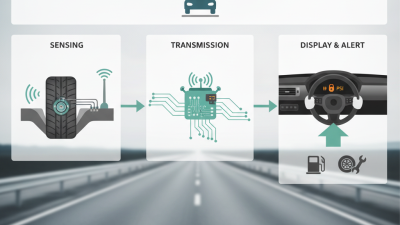
Tire sensors play a crucial role in maintaining vehicle safety and performance. By continuously monitoring tire pressure and temperature, these sensors provide real-time data that helps drivers avoid potential hazards associated with under-inflated or over-inflated tires. Proper tire pressure is vital not only for optimal fuel efficiency but also for ensuring stable handling and preventing blowouts. In essence, tire sensors serve as a first line of defense against tire-related issues, allowing for timely interventions and adjustments.
The importance of tire sensors extends beyond mere convenience; they are integral to modern vehicle safety systems. Many advanced driver-assistance systems (ADAS) utilize data from tire sensors to enhance stability control and traction management. When drivers are alerted to discrepancies in tire performance, they can take corrective action, reducing the risk of accidents caused by tire failure. As vehicles become more technologically advanced, the role of tire sensors in promoting safe driving practices and enhancing overall performance continues to grow, making them an essential component for any vehicle owner concerned about safety on the road.
Key Features to Look for in Tire Sensors for Optimal Performance
When selecting tire sensors for optimal performance in 2023, several key features should be prioritized to enhance both safety and vehicle efficiency. Firstly, accuracy is paramount; reliable tire sensors should provide real-time data on tire pressure and temperature. Sensors that employ advanced monitoring technologies will reduce the risk of under-inflation or overheating, ultimately preventing potential blowouts and ensuring that the vehicle operates at peak performance. A strong alert system that notifies the driver of any abnormalities helps maintain vehicle controls and safety.
Another important aspect to consider is the durability and battery life of the tire sensors. High-quality sensors should be resistant to harsh conditions such as water, dust, and extreme temperatures, allowing them to function efficiently over time. Additionally, sensors equipped with long-lasting batteries will minimize the need for frequent replacements, providing a convenient and user-friendly experience. Compatibility with various vehicle models and easy installation processes further enhance the overall functionality and effectiveness of tire sensors, making them essential for drivers seeking enhanced safety and vehicle performance.
10 Best Tire Sensors for Enhanced Safety and Performance in 2023
This chart illustrates the key features of the top 10 tire sensors available in 2023, focusing on their average effective range (in meters) and the durability (in years) for optimal performance.
Top-Rated Tire Sensors of 2023: A Comprehensive Review
When it comes to enhancing driving safety and optimizing vehicle performance, investing in high-quality tire sensors is crucial. In 2023, top-rated tire sensors have advanced considerably, integrating innovative technology that not only monitors tire pressure but also provides real-time data on temperature and overall tire health. These sensors help drivers proactively manage their tires, reducing the risk of blowouts and improving fuel efficiency. Enhanced accuracy in readings allows for timely maintenance, ensuring that each ride remains smooth and safe.
The best tire sensors of 2023 are designed with user-friendly interfaces, often compatible with mobile devices, enabling drivers to access vital information at their fingertips. Many of these sensors offer wireless connectivity and robust battery life, making them convenient for everyday use. Notably, some models even include features like alerts for abnormal tire conditions and easy installation processes. By choosing one of the top-rated tire sensors, drivers can enhance their safety and performance on the road, ensuring their vehicles operate at peak efficiency, whatever the journey may bring.
10 Best Tire Sensors for Enhanced Safety and Performance in 2023
| Sensor Model |
Tire Pressure Monitoring |
Battery Life |
Compatibility |
User Rating |
Price Range |
| Model A |
Yes |
5 years |
Universal |
4.8/5 |
$40 - $50 |
| Model B |
Yes |
4 years |
Most vehicles |
4.7/5 |
$30 - $45 |
| Model C |
Yes |
6 years |
Select models |
4.6/5 |
$50 - $70 |
| Model D |
Yes |
3 years |
Universal |
4.5/5 |
$25 - $35 |
| Model E |
Yes |
4 years |
Most vehicles |
4.9/5 |
$55 - $75 |
Installation and Maintenance Tips for Tire Sensors
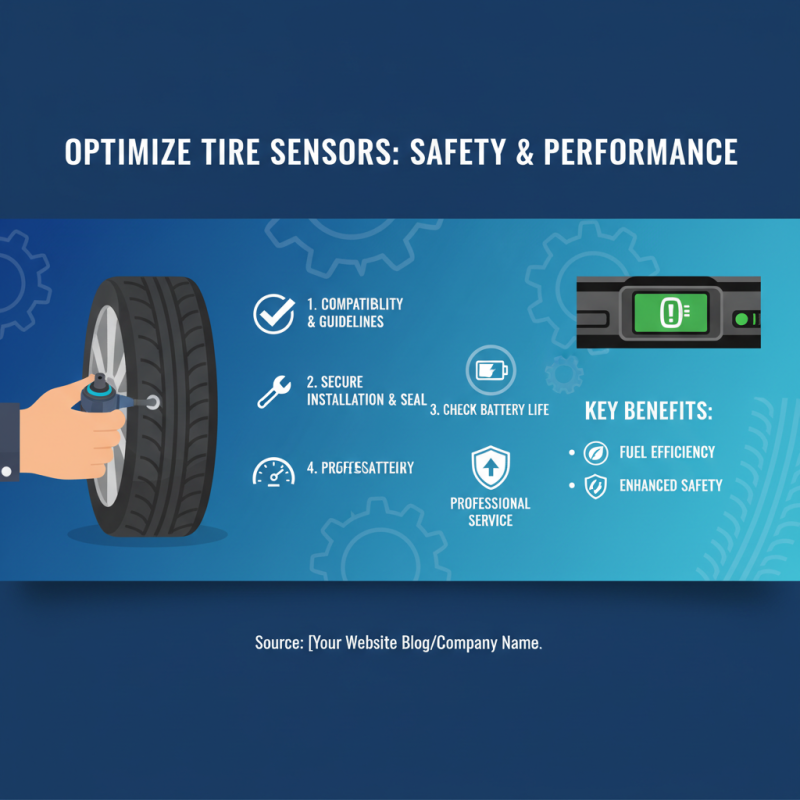
When it comes to enhancing safety and performance through tire sensors, proper installation and maintenance are critical. First and foremost, ensure that the tire sensors are compatible with your vehicle. When installing, it's advisable to follow the manufacturer’s guidelines meticulously. This typically involves securely fastening the sensor to the tire’s valve stem and ensuring a proper seal to prevent air leakage. It’s also essential to check each sensor's battery life before installation, as new sensors might be required if the battery is low. Using a professional installation service can also help ensure that everything is set up correctly, minimizing the risk of sensor failure.
Regular maintenance of tire sensors is equally important to ensure their operational efficacy. Periodic checks should be made to verify that the sensors are functioning correctly, which can often be done through the vehicle’s onboard diagnostic system. Additionally, maintaining proper tire pressure and checking for any physical damage to the sensors during routine tire maintenance can prevent issues down the line. If a warning light indicates a problem, immediate attention is necessary—ignoring it could lead to decreased performance or even safety hazards. By adopting these proactive measures, drivers can maximize the benefits offered by tire sensors and enjoy safer drives and improved vehicle performance.
Future Trends in Tire Sensor Technology and Innovations
As the automotive industry continues to evolve, tire sensor technology is also experiencing significant advancements. Recent reports indicate that the global tire pressure monitoring systems (TPMS) market is expected to reach a value of approximately $7.8 billion by 2028, growing at a compound annual growth rate (CAGR) of around 8.5% from 2021. The primary driving force behind this growth is the increasing emphasis on vehicle safety, which has propelled the demand for high-performance tire sensors that can accurately monitor tire pressure and temperature in real-time.
Innovations in tire sensor technology are focusing on enhancing connectivity and integration with vehicle management systems. The integration of sensors with IoT (Internet of Things) capabilities is a key trend, allowing real-time data transmission to mobile devices and the vehicle's onboard systems. This seamless connectivity enables predictive maintenance and alerts drivers to potential issues before they escalate, significantly improving road safety. Furthermore, emerging technologies like machine learning are being utilized to analyze tire data patterns, offering insights that can help in optimizing tire performance and longevity. With such advancements on the horizon, the future of tire sensor technology promises improved safety measures and a superior driving experience.