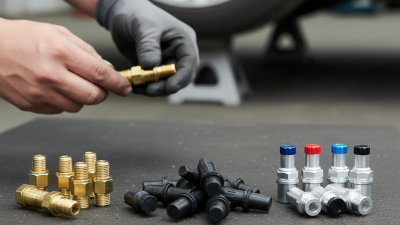
10 Best Tire Valve Manufacturers for Global Buyers

For global buyers, choosing a tire valve manufacturer is a practical decision with consequences for safety, production, and long-term costs. A valve may look like a small metal or rubber component, yet it must retain pressure through vibration, temperature changes, and repeated use. Small part. Serious demands.

This guide introduces ten manufacturers for buyers comparing suppliers across different markets and applications. It considers product range, manufacturing experience, quality controls, customization, and export support. These factors can help narrow a shortlist, but they do not replace product testing or supplier checks. A polished catalog is useful. It is not proof of consistent performance.

Requirements differ between passenger vehicles, commercial fleets, agricultural equipment, and specialty wheels. Buyers should confirm dimensions, materials, pressure and temperature ratings, compatibility, packaging, and traceability before placing an order. Ask for current technical documents and relevant test records, then check that the offered product matches the specification. Certification requirements can vary by market and application, so verify them with qualified professionals when needed.

The manufacturers featured here offer starting points for further research, not a universal ranking. A supplier with broad capacity may not suit a low-volume project, while a smaller specialist may have limits on lead time or support. That comparison is not always neat. Careful questions, sample evaluation, and clear purchasing criteria help global buyers make a more informed tire valve decision.
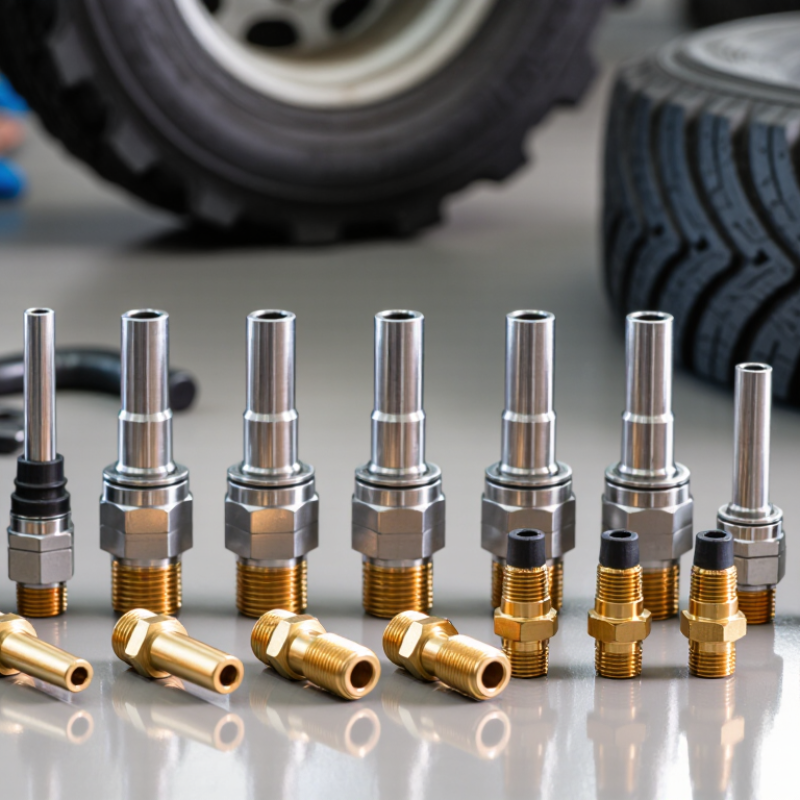
10 Best Tire Valve Manufacturers for Global Buyers

Tire Valve Fundamentals: Air Retention, Inflation, and TPMS Functions

A tire valve is the small gateway that lets air in and helps keep it there. Its core parts—the stem, valve core, and sealing cap—must withstand repeated inflation, road vibration, moisture, and temperature swings. A loose core or cracked rubber stem can slowly leak air, sometimes without an obvious hiss. Check pressure when tires are cold; even a handheld gauge can reveal a problem before the dashboard warning appears.

Correct pressure supports handling, tire life, and fuel efficiency. The U.S. Department of Energy’s FuelEconomy.gov reports that fuel economy can drop by about 0.2% for each 1 psi decrease across all four tires; proper inflation can improve mileage by up to 3%. Tire-pressure monitoring systems add a useful warning layer. Under U.S. FMVSS No. 138, the warning generally activates when pressure is 25% or more below the vehicle’s recommended cold pressure. It is a warning, not a substitute for regular checks.

Tips: Read the placard on the driver’s door jamb, not the maximum pressure molded into the tire. Inspect valve stems for splits, corrosion, or loose caps. A TPMS light may indicate a slow leak—or changing temperatures. Check with a gauge, then reassess; sensors are helpful, but not infallible.

Valve Types and Fitment: 11.3 mm Rim Holes and 65 psi Snap-In Ratings

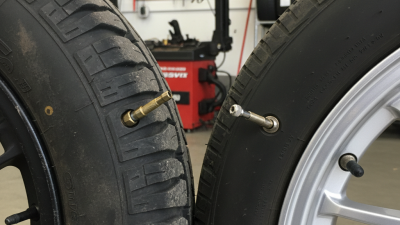
A valve that looks close can still leak or sit crooked. For an 11.3 mm rim hole, confirm the wheel specification and valve stem dimensions before ordering. ETRTO’s Standards Manual and the Tire and Rim Association Year Book provide fitment references for tires, rims, and valve components. Check the actual hole with a gauge when the wheel is available; paint, corrosion, or a worn edge can affect the measurement. A catalog match is useful, but it is not a fitment guarantee.

A 65 psi snap-in rating describes the valve’s stated pressure capacity, not the recommended pressure for every tire. Follow the vehicle placard and tire-maker guidance for inflation pressure. Also check the stem’s material, length, and shape against the wheel’s profile. A short stem may be hard to reach behind a deep wheel, while a long one can contact nearby parts. Small details matter.

Tips: Verify the 11.3 mm hole, pressure rating, and valve length together. Ask suppliers for test documentation and installation guidance. After fitting, inflate to specification and check for leaks with soapy water. One missed check can undo careful sourcing.

Quality and Compliance: Pressure, Temperature, and Material Testing

For global buyers, valve quality is proven on the test bench, not by appearance.

Ask manufacturers to document leak tests, pressure cycling, and dimensional checks against the relevant vehicle specification. ISO 9413 provides a framework for tyre-valve dimensions and designation, but it does not replace application-specific validation. Small leaks matter.

Temperature testing should cover the valve’s expected service range, including repeated hot-and-cold cycles. Inspect seals and stems for cracking, hardening, deformation, and loss of sealing force. Material checks should confirm that rubber compounds, metals, and coatings withstand heat, moisture, road salt, and contact with approved tire-service products. Ask for test conditions and sample sizes, not just a pass certificate.

The risk is practical. A U.S. Department of Energy fuel-economy resource estimates that each 1 psi drop in average tire pressure can reduce fuel economy by about 0.2%. NHTSA’s 2001 tire-pressure survey found roughly 27% of passenger vehicles had at least one tire underinflated by 25% or more.

These figures concern tire pressure, not valve failures, but they show why dependable sealing deserves scrutiny. No laboratory test perfectly reproduces years of vibration and weather exposure; buyers should review field-return data too.

10 Best Tire Valve Manufacturers: Product Range and Global Supply

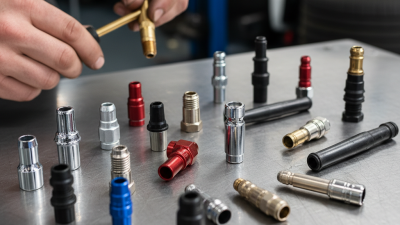
Global buyers comparing tire valve manufacturers should look beyond catalog size. A useful range includes snap-in rubber valves, metal clamp-in valves, extensions, cores, caps, and service tools. Each serves different wheel designs, pressure needs, and operating conditions. Details matter. Check stem length, mounting-hole fit, seal material, and stated pressure limits before requesting samples.

Supply capability is just as important as product variety. Ask whether the manufacturer can provide consistent specifications across repeat orders, clear packaging labels, and traceable batch information. For mixed vehicle programs, confirm minimum order quantities and whether several valve types can ship together. A sample carton can reveal practical issues: parts may be difficult to sort, or small components may shift during transit.

Quality checks should match the application. Buyers can review dimensional inspection records, leak-test procedures, and material documentation, then compare these with their own requirements. A polished brochure is not proof of dependable performance. Nor does a large factory guarantee quick delivery to every destination. Lead times, export packing, and local distributor coverage deserve direct questions. Some specifications may still need adjustment after testing; that is ordinary, but it should be discussed early.

How Global Buyers Compare Suppliers: Applications, Certifications, and Support

Choosing a tire valve supplier starts with the wheel, not the catalogue. Passenger cars, motorcycles, commercial trucks, and agricultural equipment can require different valve shapes, pressure ranges, and mounting methods. A stem that fits a passenger-car rim may not suit a heavy-duty wheel. Check operating pressure, temperature exposure, rim-hole dimensions, and intended tire service before comparing quotations. Details matter.

Ask suppliers for material specifications and test records tied to the exact valve design. Where relevant, review quality-system certificates, product approvals, and test scope. A certificate alone does not prove every model was assessed. Confirm that documents are current and apply to the manufacturing site supplying your order. Requirements differ by destination and application, so confirm local acceptance with a qualified technical or compliance contact. Paperwork can mislead.

Support becomes visible after sampling. Ask how the supplier handles fit questions, batch traceability, defect reports, replacement parts, and production changes. A useful response includes technical contacts, realistic lead times, and clear escalation steps. Request a sample batch and inspect sealing surfaces, threads, cap fit, and packaging before approving volume production. Even careful checks miss things; record what you would inspect differently next time.