Find the Best TPMS Service Kit for Your Vehicle Needs
When maintaining your vehicle, the TPMS service kit plays a vital role. It ensures your tire pressure monitoring system operates effectively. A reliable TPMS service kit helps prevent tire-related issues. Many vehicle owners overlook this important aspect. Unfortunately, this negligence can lead to unsafe driving conditions and unexpected expenses.
Choosing the right TPMS service kit requires careful consideration. Various factors influence your choice, including vehicle type and tire specifications. Not all kits are created equal. Some may not fit your vehicle's needs properly. Researching options is crucial to locate a high-quality kit. User reviews and expert recommendations can provide valuable insights.
Installation is another key aspect. Some kits are user-friendly, while others may require professional help. It's essential to evaluate your own mechanical skills. A poorly installed kit can lead to malfunctions. Therefore, ensure proper installation to maintain safety. A well-selected TPMS service kit enhances both performance and peace of mind.
Understanding TPMS: What It Is and How It Works
Tire Pressure Monitoring Systems (TPMS) are crucial for vehicle safety. They help drivers maintain optimal tire pressure. Proper tire pressure can improve fuel efficiency and enhance handling. Understanding how TPMS works is important.
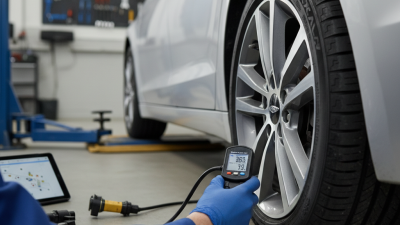
TPMS uses sensors to monitor tire pressure. These sensors communicate with the vehicle's onboard computer. When a tire's pressure is too low or too high, the system alerts the driver. This allows for timely action before any potential issues escalate. Regular maintenance of TPMS is necessary to ensure reliable function. It's recommended to check sensors during tire rotations.
Many vehicle owners overlook TPMS signs due to lack of knowledge. Ignoring alerts can lead to dangerous driving conditions. Drivers should familiarize themselves with their TPMS displays. Recognizing warning signals can save time and prevent mishaps. Feedback from experienced technicians can enhance understanding. Engaging with community forums also provides practical insights. Consider these factors when assessing TPMS needs for your vehicle.
Types of TPMS Service Kits Available on the Market
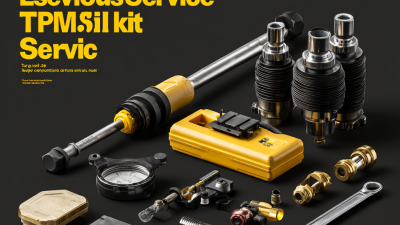
When looking for a TPMS service kit, it's essential to understand the different types available. According to a report by the Tire Pressure Monitoring System Industry Association, the market has seen a significant growth in the availability of sensor-specific kits. These kits include all necessary tools for replacing or servicing tire pressure sensors and are tailored to specific vehicle makes.
Another option is universal TPMS service kits. They generally cater to a wider range of vehicles. This flexibility may seem appealing, but they often lack the precision and effectiveness of sensor-specific kits. A survey conducted by a leading automotive research organization indicated that 70% of technicians prefer manufacturer-specific TPMS tools over universal options for improved accuracy.
Additionally, remember that some kits come with added features like anti-seize lubrication and new valve stems. These components might enhance the installation process. However, you should assess whether they neatly fit your requirements. Not all features may benefit your vehicle. Understanding your vehicle's specifications is crucial for making the right choice. Ultimately, selecting the best TPMS service kit takes time and careful consideration.
Key Features to Consider When Choosing a TPMS Service Kit
When selecting a TPMS service kit, consider compatibility with your vehicle. Not all kits fit every model. It's crucial to check specifications carefully. Look for options designed for your make and model for optimal performance.
Durability is another key feature. A reliable TPMS service kit should withstand varying temperatures and road conditions. High-quality materials can influence longevity. Keep in mind, cheaper options may save money now but could cost more in the long run.
Installation ease is also important. Some kits come with clear instructions, while others may not. If you're not comfortable with DIY installation, seek professional assistance. Reflect on your own experiences here; a frustrating setup can lead to neglect of essential tire maintenance. Always consider user reviews for real-world insights.
Step-by-Step Guide to Installing a TPMS Service Kit
Installing a TPMS (Tire Pressure Monitoring System) service kit can seem daunting. Yet, with the right approach, it becomes manageable. According to industry reports, approximately 25% of vehicles on the road have improper tire pressure, leading to decreased fuel efficiency and increased tire wear. Addressing this issue starts with selecting a suitable service kit.
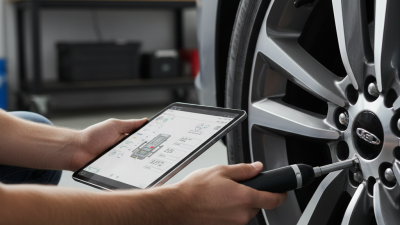
Begin by gathering your required tools: a tire pressure gauge, valve stem tool, and a torque wrench. Remove any dust or debris from the valve area before installation. This helps maintain sensor accuracy. Next, unscrew the old valve stem and replace it with the new one from your service kit. A common mistake is over-tightening the valve, which can damage the sensor. Ensure compatibility with your vehicle's make and model for best results.
After installing the new kit, reset your TPMS system using the vehicle's interface. This step is crucial, as it recalibrates the system to recognize the new sensors. Ignoring this may lead to warning lights remaining on. Regular monitoring is essential; studies show vehicles with functioning TPMS can improve safety by up to 50%. This makes it worth the effort to install the service kit correctly.
Maintaining Your TPMS for Optimal Vehicle Performance
Maintaining your Tire Pressure Monitoring System (TPMS) is crucial for optimal vehicle performance. A well-functioning TPMS can enhance fuel efficiency by up to 3.3%, according to the U.S. Department of Energy. Regular checks and maintenance can prevent unexpected tire failures and improve overall safety.
Neglecting your TPMS can lead to issues. Faulty sensors may not alert you to low tire pressure, causing uneven tire wear. Research indicates that under-inflated tires can reduce tread life by 25%. Even a small drop in tire pressure can affect handling and increase stopping distances.
Investing in a quality TPMS service kit can simplify maintenance. Ensure that the kit is compatible with your vehicle's specifications. Look for user guides that offer detailed instructions. Remember, a proactive approach can save on costly repairs and enhance driving comfort. Prioritize your TPMS to enjoy a safer, more efficient drive.