How to Properly Check and Inflate Your Tire Air for Optimal Performance
Maintaining optimal tire air pressure is crucial for ensuring your vehicle performs at its best, promoting safety and efficiency on the road. Many drivers overlook the significance of regularly checking and inflating their tires, often leading to poor fuel economy, increased tire wear, and a higher risk of blowouts. In this guide, we will explore the essential steps to properly check and inflate your tire air, helping you enhance both your driving experience and your vehicle's longevity.
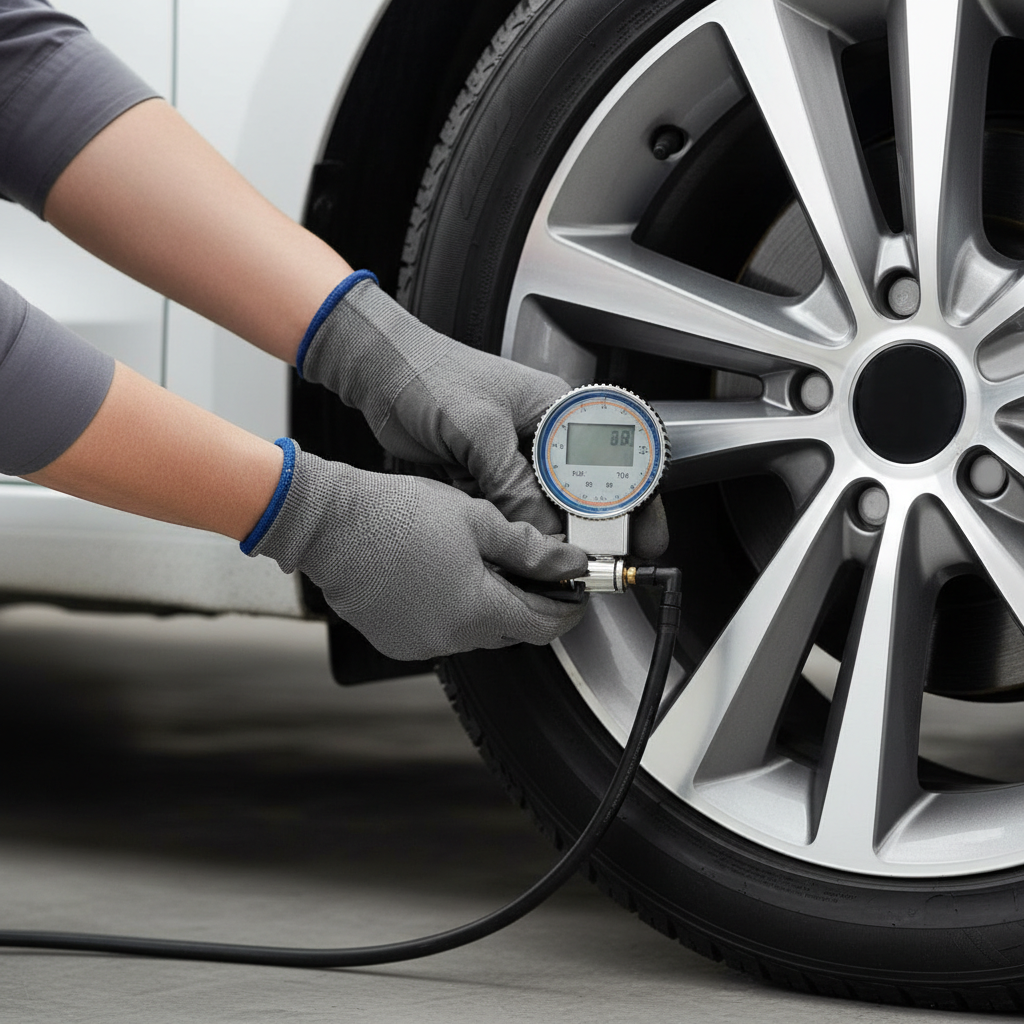
An adequately inflated tire not only provides better traction but also contributes to smoother handling and improved overall performance. Conversely, under-inflated tires can lead to decreased fuel efficiency and increased stopping distances. It is important to understand how to measure tire air pressure effectively and recognize the optimal levels recommended for your specific vehicle. By establishing a routine for tire maintenance, you can ensure your tires remain in good condition, ultimately maximizing their lifespan and enhancing your vehicle's ability to perform efficiently.
Join us as we delve into the best practices for monitoring and adjusting tire air pressure, equipping yourself with the knowledge needed to keep your tires in prime condition, and ensuring a safer, more enjoyable ride.
Understanding the Importance of Proper Tire Inflation for Vehicle Performance
Proper tire inflation is essential for optimizing vehicle performance. When tires are inflated to the correct pressure, they provide better traction, handling, and fuel efficiency. Under-inflated tires can lead to increased rolling resistance, which in turn decreases fuel efficiency and can heighten tire wear. This not only affects the lifespan of the tires but can also compromise safety, as insufficient pressure may result in poor handling during maneuvering or emergency situations.
Conversely, over-inflated tires can also be detrimental, leading to a harsh ride and reducing the tire's contact with the road surface. This uneven contact can cause uneven wear patterns and decrease overall grip, making the vehicle less responsive to steering inputs. Regularly checking and maintaining the appropriate tire pressure is vital not only for performance but also for safety. By ensuring that tires are properly inflated, drivers can enhance their vehicle’s handling characteristics, maintain fuel economy, and prolong tire life, all contributing to a more efficient and safer driving experience.
Identifying the Right Tire Pressure for Your Vehicle Model
Maintaining the correct tire pressure is crucial for optimal vehicle performance and safety. Each vehicle has its specific tire pressure requirement, which can often be found in the owner’s manual or on a sticker located on the driver’s side door jamb. This information is vital, as under-inflated or over-inflated tires can lead to decreased fuel efficiency, uneven tire wear, and even safety hazards.
Tips for checking your tire pressure include using a reliable tire pressure gauge, which can be digital or analog. It’s best to check the tire pressure when the tires are cold, as heat from driving can increase the pressure readings. After obtaining the reading, compare it to the recommended pressure for your vehicle. If adjustments are needed, remember that it’s better to inflate gradually and recheck until you reach the desired level.
Additionally, regularly inspecting your tires for visible wear and tear can save you from potential safety issues. Look for any bulges, cracks, or objects embedded in the tread, as these can compromise tire integrity. Staying on top of tire maintenance not only enhances performance but also assures a safer driving experience.
Tire Pressure Levels for Optimal Vehicle Performance
Step-by-Step Guide to Checking Tire Pressure Accurately
Maintaining the proper tire pressure is crucial for optimal vehicle performance, safety, and fuel efficiency. According to the U.S. Department of Energy, under-inflated tires can lower fuel efficiency by 0.2% for every 1 psi drop in the average pressure of all tires. To ensure safety and maximize efficiency, it's essential to check tire pressure accurately and regularly.
Start by gathering the necessary tools: a reliable tire pressure gauge and an air compressor. Before checking the tire pressure, ensure that the tires are cold, as driving generates heat and can artificially inflate readings. Remove the valve cap from one tire and press the tire gauge onto the valve stem firmly until you hear a hissing sound. This sound indicates that air is escaping, and by doing so, you can read the gauge for the current pressure. Compare this reading to the manufacturer's recommended pressure, which is typically found on a sticker inside the driver's door or in the vehicle's owner's manual.
If the tire pressure is low, add air using the compressor until reaching the recommended psi level. It's important to check the pressure of all four tires regularly, as studies from the National Highway Traffic Safety Administration show that 80% of tire blowouts are attributed to under-inflated tires. Regular checks not only enhance safety but also contribute to improved fuel economy and extended tire life, making this simple maintenance task well worth the effort.
Techniques for Inflating Tires to Achieve Optimal Performance
Proper tire inflation is essential for achieving optimal vehicle performance, improving fuel efficiency, and enhancing safety on the road. To start, ensure that you check the tire pressure when the tires are cold, typically in the morning or after the car has been parked for several hours. Use a reliable tire pressure gauge to measure the pressure, comparing it against the manufacturer’s recommended specifications, which can usually be found in the owner’s manual or on the driver’s side door jamb.
When inflating your tires, it’s crucial to use a quality air compressor that can deliver precise pressure adjustments. If the tire pressure is below the recommended level, gradually add air until you reach the ideal psi. Be cautious not to overinflate, as this can lead to uneven tread wear and potential blowouts. After inflating, it's a good practice to recheck the pressure and make any necessary adjustments. Regularly maintaining proper tire air pressure will not only enhance your driving experience but also prolong the life of your tires.
How to Properly Check and Inflate Your Tire Air for Optimal Performance
| Tire Type |
Recommended Pressure (PSI) |
Current Pressure (PSI) |
Pressure Adjustment Needed (PSI) |
Inflation Technique |
| All-Season |
32 |
30 |
2 |
Use a standard air pump |
| Performance |
34 |
33 |
1 |
Use an electric inflator |
| SUV |
35 |
34 |
1 |
Use a high-volume pump |
| Winter |
30 |
28 |
2 |
Consider nitrogen inflation |
| Light Truck |
40 |
38 |
2 |
Stability check after inflating |
Common Mistakes to Avoid When Maintaining Tire Air Pressure
Maintaining the correct tire air pressure is crucial for optimal vehicle performance, yet many drivers make common mistakes that can compromise safety and efficiency.
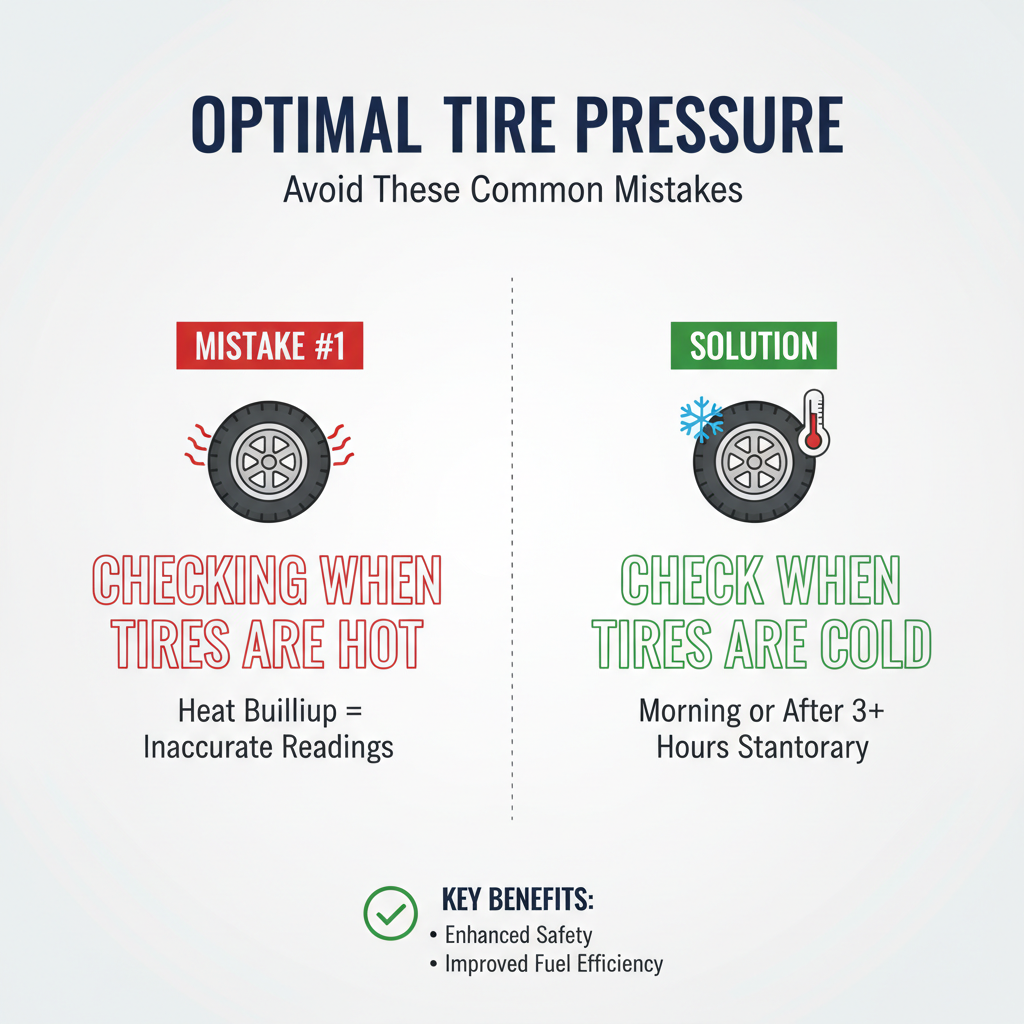
One prevalent error is neglecting to check tire pressure when the tires are cold. Tire pressure can fluctuate with temperature changes, and checking them after driving can yield inaccurate readings due to heat buildup.
It's recommended to measure tire pressure in the morning or after the vehicle has been stationary for at least three hours.
Another mistake involves over-inflating or under-inflating tires based on personal perception instead of adhering to the manufacturer’s specifications.
Drivers often inflate tires to what they believe feels right, ignoring the recommended pressure indicated on the driver’s side door jamb.
Over-inflated tires can lead to decreased traction and increased risk of blowouts, while under-inflated tires can cause poor handling and reduced fuel efficiency.
Regularly checking and adhering to the correct tire pressure not only prolongs tire life but also enhances overall vehicle performance.