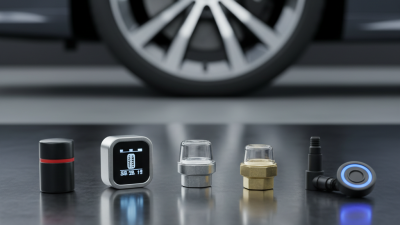
How to Choose the Best TPMS Sensor Kit for Your Vehicle in 2025
Choosing the right TPMS sensor kit for your vehicle in 2025 is crucial for ensuring optimal performance and safety on the road. As the technology behind tire pressure monitoring systems continues to evolve, it becomes imperative for vehicle owners to stay informed about the best options available. According to industry expert Dr. John Mercer, a leading figure in automotive sensor technology, "Selecting the appropriate TPMS sensor kit can significantly enhance your vehicle's safety and fuel efficiency." His insights emphasize the importance of understanding the features and capabilities of various sensor kits before making a decision.
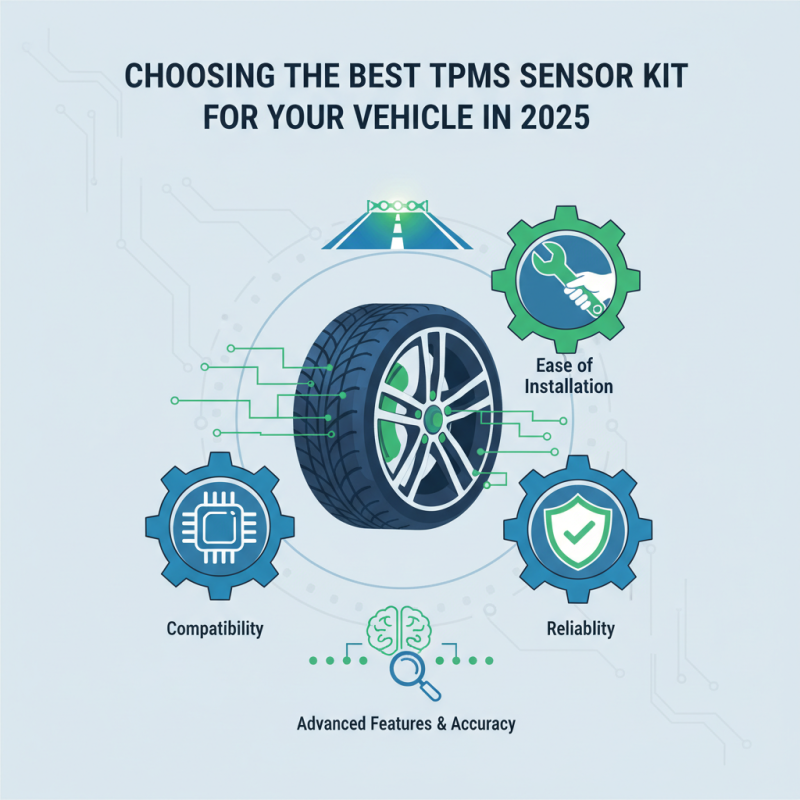
In the upcoming years, advancements in TPMS technology will offer new capabilities, including improved accuracy and integration with other vehicle systems. This makes it essential for buyers to consider factors such as compatibility with existing systems, ease of installation, and the overall reliability of the sensors. Comprehensive knowledge about the different types of TPMS sensor kits available not only aids in making a sound purchasing decision but also ensures that drivers are equipped with tools that enhance their driving experience.
As we navigate through the options in 2025, it is vital to weigh the benefits of each TPMS sensor kit against the specific needs of your vehicle. By focusing on the most relevant attributes, along with expert recommendations, you can confidently choose a kit that guarantees peace of mind while on the road.
Types of TPMS Sensor Kits Available for Different Vehicle Models
When selecting a TPMS (Tire Pressure Monitoring System) sensor kit for your vehicle, it’s crucial to understand the different types available to ensure compatibility with your specific model. TPMS sensor kits primarily fall into two categories: direct and indirect systems. Direct TPMS utilizes sensors mounted on the wheel to provide real-time tire pressure data, while indirect systems rely on the vehicle's ABS (Anti-lock Braking System) sensors to estimate tire pressure based on wheel rotations. According to a report by MarketsandMarkets, the global TPMS market is expected to reach $6.25 billion by 2025, highlighting the increasing importance of these systems in vehicle safety.
Different vehicle models may require specific TPMS kits, especially considering their unique electrical configurations and sensor designs. For instance, some vehicles are equipped with OE (Original Equipment) sensors that can be directly replaced with aftermarket options. Additionally, with advancements in technology, many newer models are integrating more complex TPMS features, such as sensor self-calibration and tire health monitoring, which require corresponding sensor kits. A study conducted by Grand View Research indicates that direct TPMS is gaining traction, projected to account for over 75% of the TPMS market share by 2025, as consumers seek more accurate and reliable tire pressure readings. Understanding these distinctions is essential for choosing the best TPMS sensor kit tailored to your vehicle’s needs.
TPMS Sensor Kit Types for Various Vehicle Models in 2025
Key Features to Consider When Selecting a TPMS Sensor Kit
When selecting a Tire Pressure Monitoring System (TPMS) sensor kit for your vehicle in 2025, several key features should guide your decision. Firstly, compatibility with your specific vehicle model is crucial. TPMS sensors vary in design and functionality, and ensuring that the kit aligns perfectly with your car’s requirements will save you from potential installation and operational issues. Always verify whether the sensors are designed for direct or indirect monitoring, as this will influence their performance and accuracy.
Another essential feature to consider is the battery life of the sensors. Long-lasting batteries enhance the convenience of maintenance since you won't need to replace them frequently. Additionally, look for kits that offer easy installation and user-friendly interfaces, allowing for seamless integration with your vehicle's existing systems. Some TPMS kits feature advanced technologies, such as
real-time pressure alerts and temperature monitoring, which can further enhance safety and performance on the road. Choosing a sensor kit with these advanced features ensures you stay informed about your tire health, contributing to a safer driving experience.
Compatibility Factors: Ensuring Your TPMS Kit Fits Your Vehicle
When selecting a TPMS sensor kit for your vehicle in 2025, compatibility is paramount. Each vehicle model has specific requirements, and the TPMS sensors must match these to function correctly. According to the Tire Industry Association, approximately 20% of all vehicles experience issues with TPMS systems due to incompatible sensors or incorrect installations. This statistic underscores the importance of ensuring that the selected TPMS kit is suitable for your make and model. Vehicles manufactured after 2007 require a direct TPMS system, which typically involves sensors that monitor tire pressure in real-time.
In addition to vehicle age and model, it's crucial to consider the frequency band used by the TPMS sensors. Most modern vehicles operate on a 433 MHz or 315 MHz frequency, and using sensors that operate on the wrong frequency can lead to malfunctions. A recent industry report indicated that 10% of TPMS-related problems are directly linked to frequency incompatibility. Furthermore, the installation of a kit that is not OEM-compatible can lead to additional costs in service and replacements. Thus, verifying compatibility with a thorough check against manufacturer specifications will not only enhance safety but also optimize the longevity of both the sensors and the vehicle's overall performance.
How to Choose the Best TPMS Sensor Kit for Your Vehicle in 2025 - Compatibility Factors: Ensuring Your TPMS Kit Fits Your Vehicle
| Vehicle Make |
Vehicle Model |
TPMS Sensor Type |
Sensor Frequency |
Battery Life |
Installation Difficulty |
| Toyota |
Camry 2025 |
Internal |
433 MHz |
5-7 years |
Medium |
| Honda |
Civic 2025 |
Internal |
315 MHz |
6-8 years |
Easy |
| Ford |
F-150 2025 |
External |
315 MHz |
4-6 years |
Hard |
| Chevrolet |
Malibu 2025 |
Internal |
433 MHz |
5-7 years |
Medium |
| Nissan |
Altima 2025 |
External |
434 MHz |
4-6 years |
Medium |
Importance of Range and Accuracy in TPMS Sensor Performance
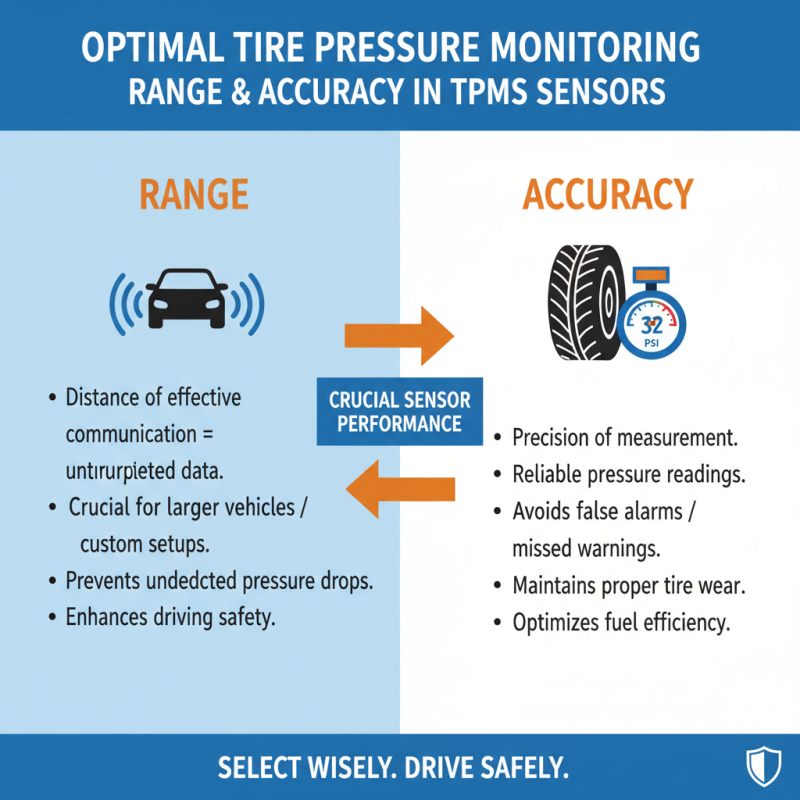
When selecting a tire pressure monitoring system (TPMS) sensor kit for your vehicle, understanding the importance of range and accuracy in sensor performance is crucial. The range of a TPMS sensor refers to the distance over which it can effectively communicate with your vehicle's onboard system. A sensor with a broader range ensures that it can relay tire pressure information without interruptions, particularly in larger vehicles or those with custom alterations. This capability can prevent potential issues related to tire pressure being undetected, leading to safety concerns while driving.
Accuracy is another pivotal aspect to consider, as it directly impacts your driving safety and vehicle performance. A highly accurate TPMS sensor consistently provides real-time tire pressure readings, which helps in maintaining optimal inflation levels. Under or over-inflated tires can lead to inefficiencies in fuel consumption and can increase wear and tear on your tires. Therefore, selecting a TPMS sensor kit with a proven track record of reliable accuracy is essential for protecting both your vehicle and your safety on the road. By prioritizing range and accuracy, you can ensure that your vehicle's TPMS operates effectively, providing you with peace of mind during your journeys.
Budget Considerations: Finding Value in TPMS Sensor Kits
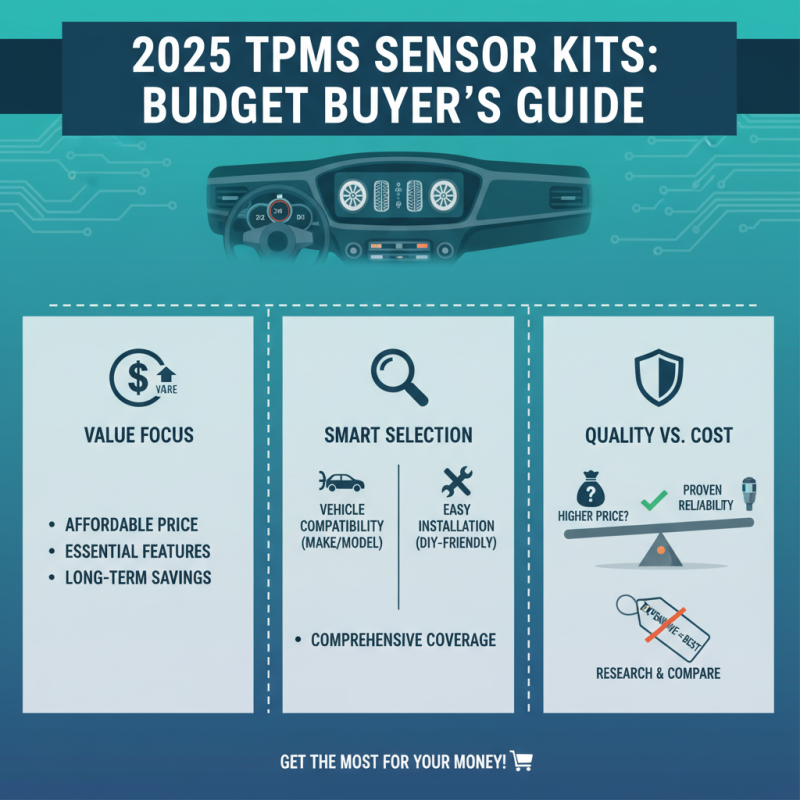
When selecting a TPMS (Tire Pressure Monitoring System) sensor kit for your vehicle in 2025, budget considerations are paramount. With a diverse range of products on the market, it's essential to identify kits that provide the most value for your investment. A higher price tag does not always equate to superior quality; therefore, understanding the features and functionalities that matter most is crucial. Look for kits that offer comprehensive coverage, including compatibility with your vehicle make and model, as well as user-friendly installation processes.
Additionally, it's wise to consider the long-term costs associated with maintenance and replacement parts. Some sensor kits may have lower initial costs but could require frequent replacements or additional components that increase overall spending. Evaluating warranty offerings is also critical; a longer warranty period can suggest greater reliability and value in the long run. Comparatively analyzing user reviews and expert recommendations can aid in identifying options that deliver a balance of quality and affordability, ensuring that you make an informed decision that aligns with your financial plan while enhancing your vehicle’s safety features.