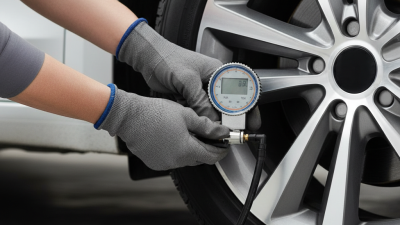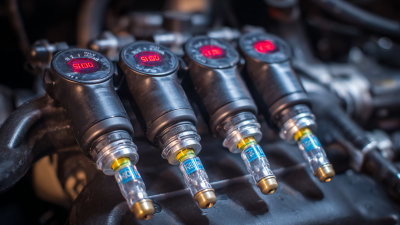
Proper tire pressure is a crucial aspect of vehicle maintenance that directly impacts safety, fuel efficiency, and overall driving experience. To ensure safe driving, it is vital to control tire pressure effectively. Under-inflated or over-inflated tires can lead to reduced handling, increased tire wear, and a greater risk of blowouts, all of which compromise not only the vehicle's performance but also the safety of its occupants. Therefore, understanding how to monitor and adjust tire pressure is essential for every driver.
Regular checks and maintenance routines for tire pressure contribute to optimal vehicle operation and prolong the lifespan of tires. Drivers should be aware of the proper tire pressure specifications for their vehicles, as this can vary based on factors such as load and driving conditions. Utilizing tools like tire pressure gauges and adhering to recommended inflation levels can significantly enhance driving safety. Ultimately, by establishing good habits for controlling tire pressure, drivers can mitigate risks and create a safer, more efficient driving environment, leading to a more enjoyable experience on the road.
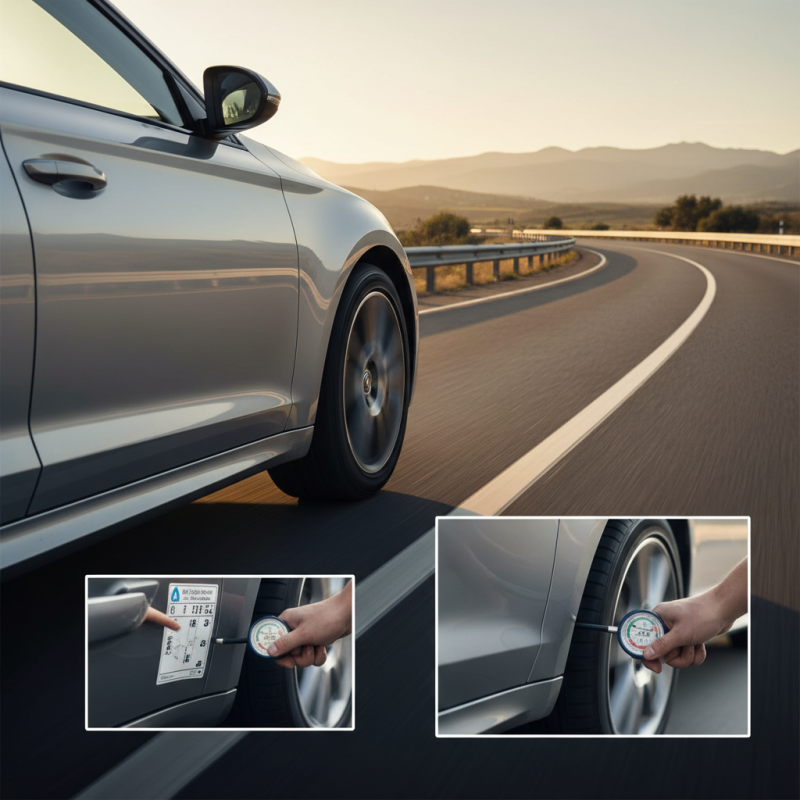
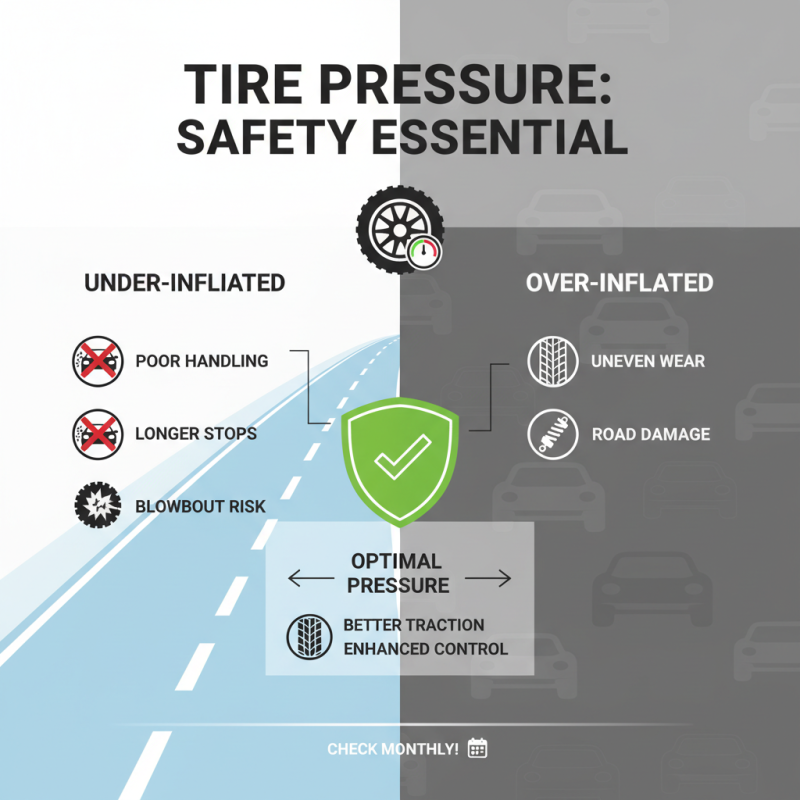
Proper tire pressure is a critical aspect of vehicle safety that is often overlooked by drivers. Maintaining the correct air pressure in tires ensures optimal contact with the road, which enhances traction and control, especially during adverse weather conditions. Under-inflated tires can lead to reduced handling capability, longer stopping distances, and an increased risk of tire blowouts. Conversely, over-inflated tires can cause uneven wear and make the vehicle more susceptible to damage from road imperfections. Regularly checking tire pressure is essential for preventing these issues and ensuring that your vehicle operates safely.
Moreover, maintaining the appropriate tire pressure can contribute to overall fuel efficiency. When tires are correctly inflated, they reduce rolling resistance, which allows the vehicle to consume less fuel. This not only benefits the driver’s wallet but also has a positive impact on the environment by decreasing carbon emissions. Drivers should routinely inspect their tire pressure, especially before long trips and with changes in temperature, as fluctuations can affect tire inflation levels. Understanding the importance of proper tire pressure is key to ensuring a safer and more economical driving experience.
Maintaining the correct tire pressure is crucial for the safety and performance of your vehicle. Different types of vehicles require different tire pressure levels to operate optimally. For instance, standard passenger cars typically have recommended tire pressures ranging from 30 to 35 psi (pounds per square inch). This range helps enhance fuel efficiency, ensures better tire wear, and improves handling. Drivers should check their owner’s manual or the sticker found on the driver’s side door jamb for the precise recommendations specific to their vehicle model.
When it comes to larger vehicles, such as SUVs and trucks, the recommended tire pressure may vary significantly. These vehicles often require a higher tire pressure, generally in the range of 35 to 45 psi, depending on the load they carry and the type of tires fitted. Higher tire pressures contribute to better stability, especially when navigating on rugged terrains or when towing heavy loads. On the other hand, performance vehicles and sports cars might benefit from a pressure level tailored to enhance cornering and grip, typically within the 32 to 40 psi range. Always ensure to regularly monitor and adjust tire pressure based on changes in weather conditions or after long trips to ensure safe driving.
This chart displays the recommended tire pressure levels for various vehicle types. Proper tire pressure is crucial for optimal vehicle performance, safety, and fuel efficiency.
Maintaining proper tire pressure is crucial for safe driving and optimal vehicle performance. The correct tire pressure not only enhances fuel efficiency but also increases tire longevity and ensures better handling. According to the National Highway Traffic Safety Administration (NHTSA), under-inflated tires can reduce fuel efficiency by up to 3%, while leading to an increased risk of tire blowouts. Hence, employing the right tools and techniques for accurately measuring tire pressure is essential for every driver.
Using a high-quality digital tire pressure gauge is one of the most effective ways to measure your tire pressure accurately. These gauges provide precise readings and are typically more reliable than traditional analog gauges, which can become less accurate over time. Regular checks, preferably at least once a month, can mitigate risks associated with tire pressure variations. Additionally, it's advisable to measure tire pressure when the tires are cold, as driving generates heat that can artificially inflate the pressure readings. According to a study by the Rubber Manufacturers Association, up to 27% of vehicles on the road have at least one tire significantly under-inflated, emphasizing the importance of regular monitoring to ensure safety and performance.
Maintaining the correct tire pressure is crucial for enhancing vehicle safety and optimizing fuel efficiency. According to the National Highway Traffic Safety Administration (NHTSA), underinflated tires can reduce fuel economy by 0.2% for every 1 psi drop in the average pressure of all tires. Furthermore, approximately 90% of vehicles on the road have at least one tire that is underinflated, leading to a higher risk of tire blowouts and accidents. To combat this, vehicle owners should regularly check their tire pressure at least once a month and before long trips, ensuring that they adhere to the manufacturer’s recommended pressure levels, typically found on a sticker inside the driver’s side door or in the vehicle's manual.
In addition to regular checks, adjusting tire pressure is vital as environmental conditions change. For instance, tire pressure can decrease by about 1 psi for every 10°F drop in temperature. Therefore, during seasonal transitions, it's especially important to monitor tire inflations closely. Utilizing a reliable tire pressure gauge, drivers should aim to maintain tire pressure within the specified range, as this not only enhances grip and handling but also promotes even tire wear, extending the life of the tires. Enhanced awareness and proactive maintenance of tire pressure can significantly contribute to safer driving experiences and overall vehicular performance.
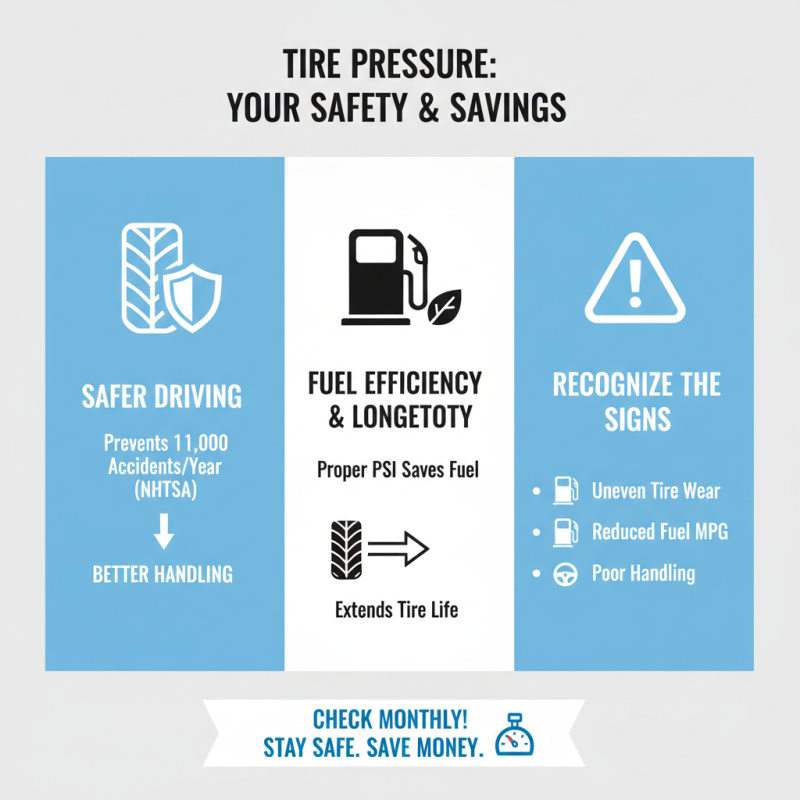
Maintaining proper tire pressure is crucial for ensuring safer driving, as under-inflated or over-inflated tires can significantly affect vehicle handling, fuel efficiency, and tire longevity. According to the National Highway Traffic Safety Administration (NHTSA), nearly 11,000 accidents each year are attributed to tire-related issues, highlighting the importance of regular tire pressure checks. Signs of improper tire pressure can manifest as uneven tire wear, reduced fuel efficiency, or handling issues. Recognizing these symptoms early allows drivers to take corrective action before problems escalate.
Tips for maintaining correct tire pressure include regularly checking tire pressure at least once a month and before long trips. Use a reliable gauge to measure the pressure when tires are cold, as heat from driving can inflate readings. Additionally, familiarize yourself with the recommended pressure specifications found in the vehicle’s manual or on a sticker inside the driver’s door. Remember that weather changes can affect tire pressure, so it’s wise to check more frequently during extreme temperatures.
If tire pressure is found to be outside the recommended range, it’s essential to take immediate action. For under-inflated tires, add air until the correct level is reached. With over-inflated tires, gently release air until they match the specifications. Monitoring tire condition regularly, such as checking for bulges, blisters, or cracks, can also prevent dangerous blowouts, as data from the Tire Industry Association indicates that well-maintained tires can increase vehicle safety by up to 40%.