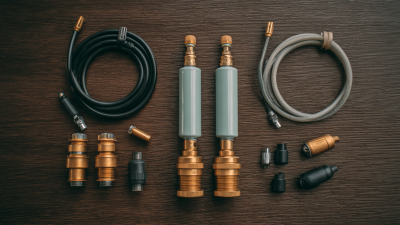
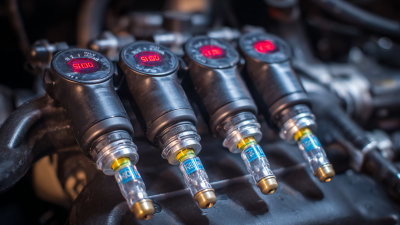
Top 5 Essential Tips for Choosing the Right TPMS Service Kit for Your Vehicle
Choosing the right TPMS service kit for your vehicle can significantly impact your driving experience and safety on the road. With advancements in automotive technology, tire pressure monitoring systems (TPMS) have become an essential component in modern vehicles, ensuring optimal tire performance and enhancing overall safety. However, selecting an appropriate TPMS service kit can be daunting, given the myriad of options available in the market. Understanding the unique needs of your vehicle and the type of TPMS system it employs is crucial in making an informed choice.
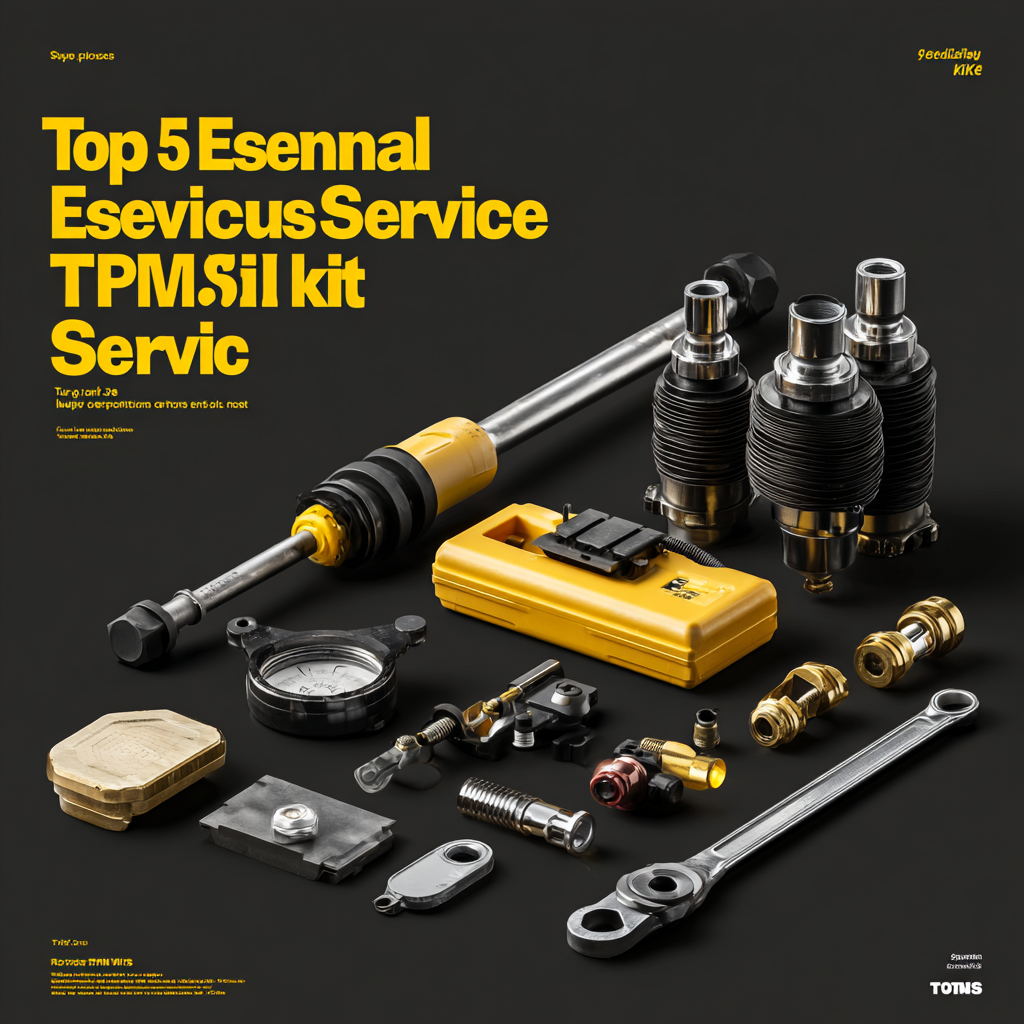
In this guide, we present the top five essential tips for selecting the right TPMS service kit that best suits your vehicle's requirements. From considering the compatibility with your existing sensors to evaluating the quality and reliability of the components, we’ll explore the key factors that should influence your decision-making process. Aligning your choice with the intricacies of your vehicle will not only save you time and money but also contribute to a safer driving experience. As we delve into these tips, you will gain valuable insights into choosing a TPMS service kit that ensures peace of mind on every journey.
Understanding the Importance of a TPMS Service Kit for Your Vehicle
A Tire Pressure Monitoring System (TPMS) service kit is crucial for maintaining your vehicle's safety and performance. TPMS plays a vital role in alerting drivers about under-inflated tires, which can affect handling, fuel efficiency, and overall vehicle stability. Given the reliance on digital technologies in modern vehicles, including potential vulnerabilities highlighted by recent incidents, ensuring your TPMS is in top condition is more important than ever.
A proper service kit helps in replacing and maintaining the essential components, ensuring that the system functions accurately.
When selecting a TPMS service kit, it's essential to consider factors such as compatibility with your vehicle make and model, the quality of the components, and the kit’s ability to address any known issues with your TPMS system. As demonstrated by recent safety reports in the automotive industry, even advanced monitoring systems can experience glitches.
Therefore, choosing a reliable service kit not only supports the longevity of your TPMS but also enhances overall driving safety. Investing in a high-quality TPMS service kit could ultimately save you from costly repairs and ensure you navigate the road with confidence.
Key Features to Look for in a Quality TPMS Service Kit
When selecting a TPMS (Tire Pressure Monitoring System) service kit for your vehicle, it's essential to focus on key features that ensure optimal performance and longevity. An ideal TPMS service kit should include high-quality sensors, which are vital for accurate tire pressure readings. According to a report by Market Research Future, the global TPMS market is projected to grow significantly, highlighting the increasing importance of reliable monitoring systems in vehicle safety.
One of the essential tips for choosing a service kit is to ensure that it is compatible with your vehicle's make and model. This compatibility can prevent installation issues and ensure the sensors function correctly. Another critical factor is the battery life of the sensors. A study conducted by the Tire Industry Association found that sensors with longer battery lives reduce the frequency of replacements, saving you money in the long run.
Additionally, consider kits that come with a warranty and excellent customer support. This factor provides peace of mind and assurance that any potential issues can be addressed effectively. Remember, investing in a quality TPMS service kit not only enhances your vehicle's performance but also contributes to overall driving safety by ensuring proper tire pressure management.
Comparing Different Types of TPMS Service Kits Available in the Market
When selecting a TPMS (Tire Pressure Monitoring System) service kit for your vehicle, it’s crucial to understand the different types available on the market. The most common types include direct and indirect TPMS service kits. Direct TPMS kits utilize sensors installed in each tire, providing real-time pressure readings. This type generally offers greater accuracy and alerts drivers immediately if tire pressure falls below recommended levels. However, these kits can be more expensive and may require professional installation.
On the other hand, indirect TPMS kits rely on the vehicle's ABS (Anti-lock Braking System) to estimate tire pressure by measuring wheel speed. These kits are typically easier to install and less costly, making them an attractive option for many vehicle owners. While they can effectively alert drivers to significant issues, they might be less precise in detecting minor pressure changes. Understanding these differences is vital for making an informed decision based on your specific needs and budget when choosing the right TPMS service kit for your vehicle.
Top 5 Essential Tips for Choosing the Right TPMS Service Kit for Your Vehicle
| Tip Number |
Tip Description |
Type of TPMS Kit |
Compatibility |
Price Range |
| 1 |
Check Compatibility with Your Vehicle Model |
Direct TPMS Kit |
Most modern vehicles |
$50 - $100 |
| 2 |
Evaluate Sensor Technology |
Indirect TPMS Kit |
Some older vehicles |
$30 - $70 |
| 3 |
Consider Ease of Installation |
Snap-in TPMS Kit |
Various models |
$40 - $90 |
| 4 |
Read Reviews and Ratings |
Valve Stem TPMS Kit |
Wide range of vehicles |
$35 - $80 |
| 5 |
Consult a Professional if Uncertain |
Complete TPMS Service Kit |
Universal |
$100 - $200 |
How to Determine Compatibility of TPMS Kits with Your Vehicle Model
When it comes to choosing the right Tire Pressure Monitoring System (TPMS) service kit for your vehicle, understanding compatibility is paramount. An estimated 30% of vehicles on the road today are equipped with TPMS, according to the Tire Industry Association. With various models employing different sensors and technologies, it’s critical to confirm that the TPMS kit you select is designed for your specific make and model. This ensures optimal performance and safety, as an incompatible kit may fail to communicate accurately with your vehicle’s onboard system, leading to erroneous readings.
To determine compatibility, start by consulting your vehicle’s owner manual, which typically lists the required specifications for TPMS sensors. Many TPMS service kits now come with extensive compatibility charts, allowing users to easily identify which kits are suitable for their vehicle. Additionally, an industry report by Research and Markets suggests that advancements in TPMS technology, including universal sensor options, have simplified the selection process. However, it remains essential to verify that any universal sensor is compatible with the specific characteristics of your vehicle, such as wheel size and sensor frequency, to avoid any potential issues.
Tips for Installing and Maintaining Your TPMS Service Kit Effectively
When it comes to installing and maintaining your Tire Pressure Monitoring System (TPMS) service kit, attention to detail is crucial for ensuring optimal performance. According to a report from the National Highway Traffic Safety Administration (NHTSA), under-inflated tires are a leading cause of tire blowouts, contributing to over 200 deaths annually in the United States alone. Properly installing your TPMS service kit can significantly reduce this risk. Make sure to use the correct tools and follow the manufacturer’s guidelines during installation to prevent any potential sealing failures that could lead to false readings or system malfunctions.
Regular maintenance is equally important for the longevity and efficacy of your TPMS. A study by the Tire Industry Association found that approximately 75% of TPMS failures can be attributed to issues such as battery depletion or sensor damage due to road debris. To avoid such issues, inspect your system regularly and replace sensors every five to seven years, or as recommended by your vehicle manufacturer. Additionally, recalibrating your TPMS after tire rotation or replacement ensures the system remains accurate, providing critical data that helps you maintain optimal tire pressure for safety and fuel efficiency.