Essential Tips for Effective TPMS Service Maintenance and Troubleshooting
Maintaining optimal tire pressure is crucial for vehicle safety and performance, and the Tire Pressure Monitoring System (TPMS) plays a vital role in this regard. Effective TPMS service is essential for ensuring that this system operates correctly, providing real-time updates on tire pressure and helping to prevent hazardous driving situations related to under-inflation or over-inflation. Regular maintenance and troubleshooting of the TPMS can not only enhance vehicle safety but also improve fuel efficiency and extend the lifespan of tires.
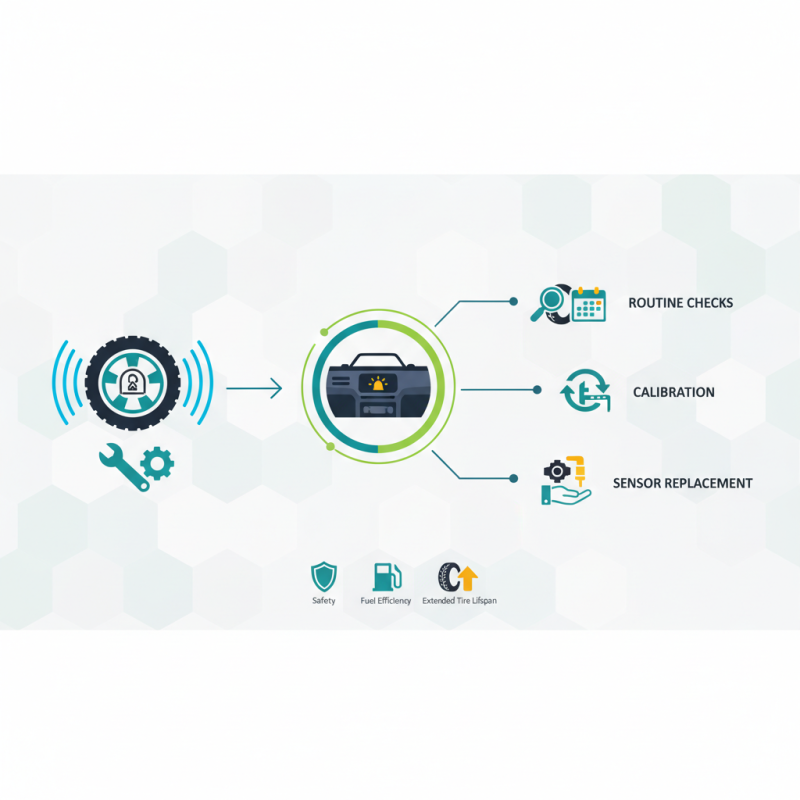
In this article, we will explore essential tips for effective TPMS service, highlighting the importance of routine checks, calibration, and proper sensor replacement. Understanding the intricacies of TPMS, its components, and the methods for diagnosing common issues will equip vehicle owners and technicians alike with the knowledge necessary to resolve potential problems swiftly. By addressing these critical aspects of TPMS service and emphasizing preventive measures, we aim to promote a safer driving experience while also fostering a culture of proactive vehicle maintenance.
Understanding the Basics of Tire Pressure Monitoring Systems (TPMS)
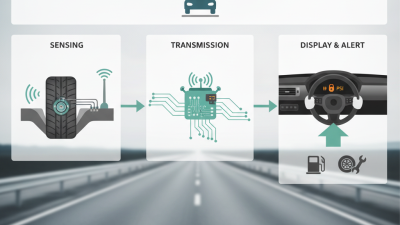
Tire Pressure Monitoring Systems (TPMS) play a crucial role in vehicle safety and maintenance. These systems are designed to provide real-time information about tire pressure, alerting drivers when pressure falls below recommended levels. This proactive approach helps prevent tire blowouts, improves fuel efficiency, and enhances overall vehicle performance. Understanding the fundamental components of TPMS, such as the sensors and the onboard computer that analyzes the data, is essential for effective maintenance.
Proper servicing of TPMS involves regular checks and calibrations to ensure all sensors are functioning correctly. This includes monitoring the batteries within the sensors, as these can deplete over time, leading to inaccurate readings. It is also important to maintain tire pressure within manufacturer specifications to avoid triggering warnings and ensure longevity of the tires.
In situations where the TPMS light remains illuminated after monitoring, troubleshooting may include checking for sensor faults or leaks in the tire. By grasping these basics, drivers can maintain optimal tire conditions and enhance their driving experience.
Importance of Regular TPMS Maintenance for Vehicle Safety
Regular maintenance of the Tire Pressure Monitoring System (TPMS) is crucial for ensuring vehicle safety and optimal performance. Properly functioning TPMS helps monitor tire pressure, alerting drivers to any significant pressure drops that could lead to tire blowouts or loss of control while driving. By keeping tire pressure at recommended levels, drivers not only enhance their vehicle's safety but also improve fuel efficiency and prolong tire life.
Neglecting TPMS maintenance can result in undetected issues that compromise safety. For instance, malfunctioning sensors may fail to alert drivers about low tire pressure, increasing the risk of accidents. Regular inspections, including checking sensor functionality and tire conditions, are vital. This proactive approach ensures that any potential problems are addressed before they escalate, contributing to a safer driving experience. Thus, maintaining the TPMS should be seen not just as a routine task but as an essential aspect of vehicle safety management.
Common TPMS Issues and Their Symptoms
When it comes to Tire Pressure Monitoring Systems (TPMS), understanding the common issues and their symptoms is crucial for effective maintenance and troubleshooting. One of the most prevalent problems is a malfunctioning sensor. Symptoms include the TPMS warning light illuminating on the dashboard and inconsistent tire pressure readings. This could indicate a dead battery within the sensor or a damaged sensor itself, both of which require immediate attention to ensure safe driving.
Another common issue is incorrect tire pressure, often due to temperature changes, which can lead to premature wear and reduced vehicle performance. Drivers may notice a drop in fuel efficiency or a difference in handling. It’s essential to regularly check tire pressures and maintain them at the manufacturer’s recommended levels to prevent this issue from arising.
Tips for maintaining a well-functioning TPMS include routinely inspecting the system during tire rotations and being proactive about addressing warning signals. Regularly re-calibrating the TPMS, especially after tire changes, ensures that the system remains accurate. Furthermore, consider using a tire pressure gauge to double-check readings periodically, giving you peace of mind for both safety and performance.
Step-by-Step Troubleshooting Procedures for TPMS Problems
Troubleshooting Tire Pressure Monitoring System (TPMS) issues can seem daunting, but following a systematic approach can simplify the process. Begin by checking the visual indicators on the vehicle’s dashboard. If the TPMS warning light is illuminated, it's often a sign of low tire pressure in one or more tires, or it might indicate a malfunction in the system itself. Start your assessment by inspecting all tires for proper inflation using a reliable pressure gauge. Ensure that the tire pressures match the specifications outlined in the vehicle's manual. If tire pressures are adequate and the warning light persists, further investigation is required.
The next step involves examining the TPMS sensors. If a tire has been changed or rotated, it's essential to ensure that the sensors are appropriately reset and recalibrated. Many modern vehicles feature a relearn procedure that must be followed accurately. This process may differ by vehicle, so reference the vehicle’s service manual for precise instructions. If the sensors are functioning correctly but the light remains on, consider checking the battery of the individual sensors, as they can deplete over time and cause system failures. Conducting a comprehensive scan with a diagnostic tool may also be necessary to identify any trouble codes that could guide additional repairs. By following these steps, you can effectively pinpoint and address TPMS-related issues.
Best Practices for TPMS Sensor Replacement and Calibration
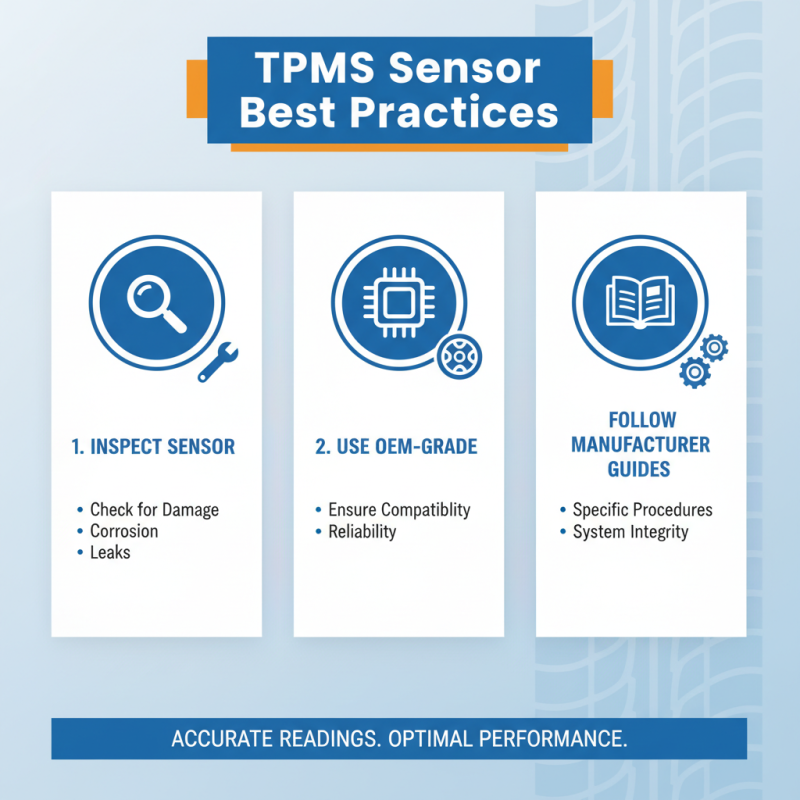
When it comes to TPMS (Tire Pressure Monitoring System) sensor replacement and calibration, following best practices is essential for ensuring accurate readings and optimal vehicle performance. First and foremost, always inspect the sensor and its components before replacement. Look for signs of physical damage, corrosion, or leaks that could impact functionality. Additionally, it's crucial to use sensors that meet or exceed OEM specifications to ensure compatibility and reliability. Always refer to the vehicle manufacturer's guidelines for specific replacement procedures to maintain the integrity of the system.
Calibration of the TPMS sensors is another critical aspect of the maintenance process. After sensor installation, a proper calibration ensures that the system accurately communicates with the vehicle's onboard computer. This process typically involves resetting the TPMS using a diagnostic tool or manually by following the vehicle's service procedures. It’s also important to check for any system alerts that may indicate issues with the TPMS. Regularly scheduled maintenance, including sensor calibration, not only extends the life of the components but also enhances overall vehicle safety and efficiency. By adhering to these best practices, technicians can minimize the risks associated with TPMS malfunction and maintain high driving standards.