Essential Guide to Maintaining Proper Tire Air Pressure for Safety and Performance
Maintaining proper tire air pressure is crucial for ensuring both safety and optimal performance on the road. According to the National Highway Traffic Safety Administration (NHTSA), under-inflated tires are a leading contributor to tire blowouts, responsible for nearly 11,000 accidents annually in the United States alone. Furthermore, the U.S. Department of Energy reports that maintaining correct tire air pressure can improve fuel efficiency by up to 3%, providing drivers not only a safer experience but also a cost-effective one.
In addition to safety and efficiency, proper tire air pressure significantly extends the lifespan of a vehicle's tires. The Tire Industry Association emphasizes that correctly inflated tires can enhance tread life by up to 25%. This is critical information for vehicle owners who aim to maximize their tire investments while minimizing the environmental impact of premature tire disposal. By regularly checking and maintaining optimal tire air pressure, drivers can enjoy a smoother ride, better handling, and reduced likelihood of tire-related incidents, making it an essential practice for all road users.
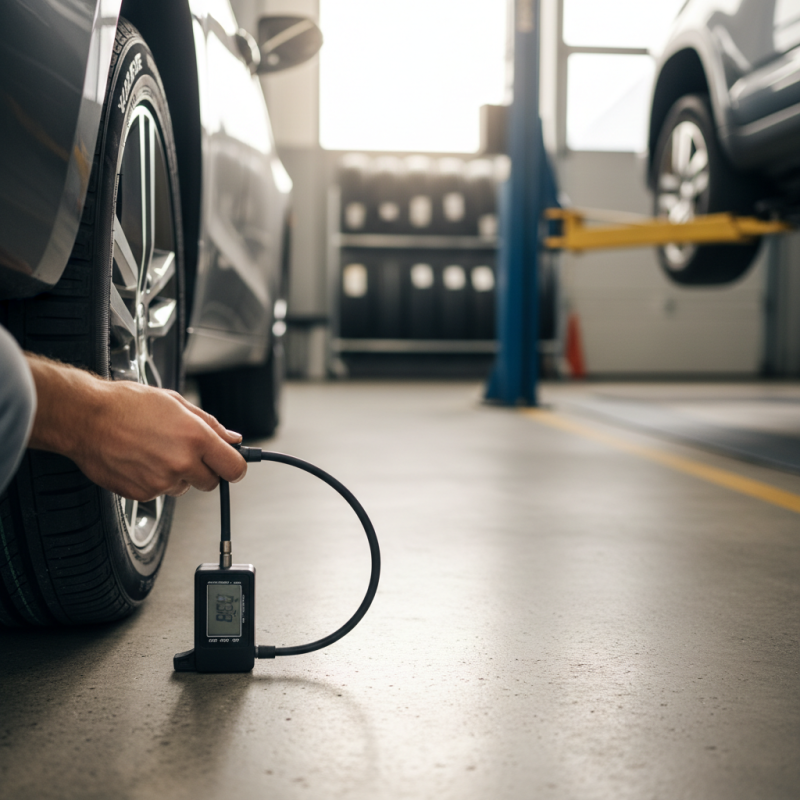
Understanding the Importance of Tire Air Pressure for Vehicle Safety
Maintaining proper tire air pressure is crucial for ensuring vehicle safety and optimizing performance. According to the National Highway Traffic Safety Administration (NHTSA), approximately 10% of passenger vehicles have at least one under-inflated tire, which can lead to decreased vehicle control and increased risk of blowouts. Proper tire pressure not only enhances safety but also contributes to fuel efficiency. A study by the Department of Energy reveals that maintaining recommended tire pressure can improve fuel economy by up to 3.3%, a significant gain for drivers looking to save on fuel costs.
Tips for maintaining optimal tire pressure include checking your tire pressure at least once a month and before long trips, as temperatures can affect air pressure. Remember to refer to your vehicle's manual for the recommended tire pressure levels, which can vary depending on the load and driving conditions. Additionally, consider using a tire pressure monitoring system (TPMS) if your vehicle is equipped with one, as it can alert you when pressure falls below recommended levels, ensuring maintenance before safety becomes an issue.
Understanding the importance of tire air pressure means recognizing its role in tire wear and overall vehicle longevity. Under-inflated tires can wear unevenly, leading to the need for premature replacements. According to the Rubber Manufacturers Association, properly inflated tires can last 25% longer than those that are not. Regularly maintaining tire air pressure not only enhances your vehicle's safety and performance but also extends the lifespan of your tires, providing long-term benefits.
Recommended Tire Pressure Levels: Guidelines for Different Vehicle Types
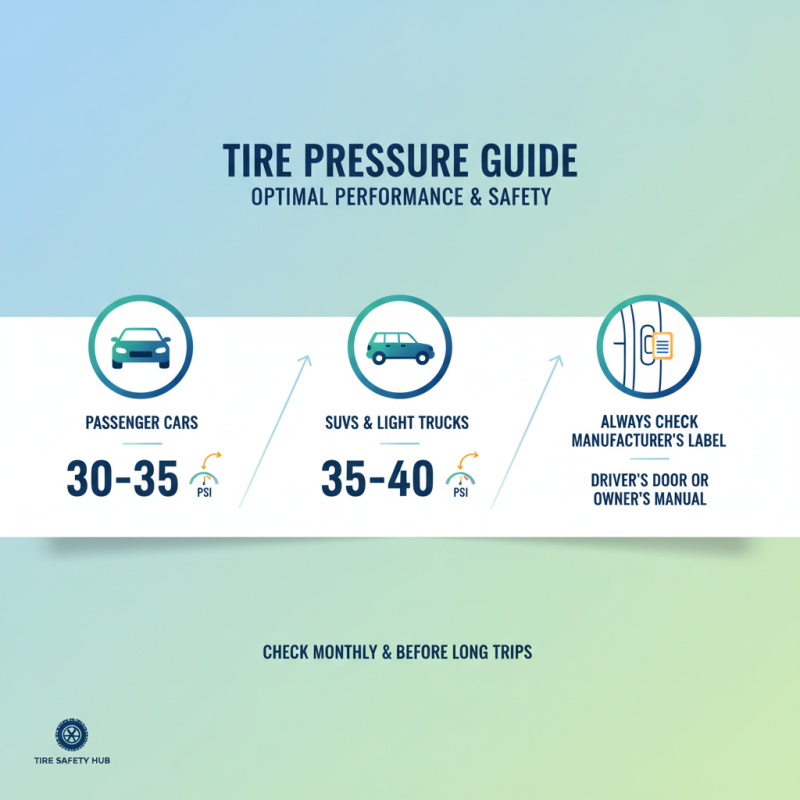
Maintaining the correct tire air pressure is crucial for the safety and performance of any vehicle. Different vehicle types require varying tire pressure levels to ensure optimal handling, fuel efficiency, and overall performance. According to the Tire Industry Association, the recommended tire pressure typically ranges from 30 to 35 PSI (pounds per square inch) for passenger cars, while SUVs and light trucks may require a slightly higher pressure, often between 35 to 40 PSI. It is essential for vehicle owners to refer to the manufacturer's guidelines, usually found on a label inside the driver's door or in the owner's manual, to determine the appropriate tire pressure levels for their specific vehicle.
Tips: To maintain proper tire air pressure, consider checking the pressure at least once a month and before long trips. It's best to measure tire pressure when the tires are cold, as driving can increase the tire temperature and subsequently, the pressure.
For motorcycles, the recommended tire pressure is generally around 30 to 35 PSI for the front tire and 30 to 40 PSI for the rear tire, depending on load and riding conditions. Under-inflated tires can lead to increased tire wear, reduced fuel efficiency, and poorer handling, which poses safety risks. A study by the National Highway Traffic Safety Administration indicates that nearly 1 in 4 vehicles on the road has at least one under-inflated tire, highlighting the importance of regular checks and maintenance. Regular tire pressure adjustments not only enhance driving safety but also improve fuel economy, which can save drivers money in the long term.
Impact of Underinflated Tires on Fuel Efficiency and Tire Longevity
Maintaining proper tire air pressure is crucial not only for vehicle safety but also for maximizing fuel efficiency and extending tire longevity.
Underinflated tires, defined as having air pressure below the manufacturer's recommended level, can significantly hamper fuel efficiency. According to the U.S. Department of Energy, driving on underinflated tires can reduce fuel economy by as much as 3.3%. This reduction translates into a considerable financial burden over time, especially with fluctuating fuel prices. The extra rolling resistance faced by underinflated tires requires additional energy expenditure from the vehicle, leading to increased fuel consumption.
Furthermore, underinflated tires can lead to faster tire wear, diminishing tire lifespan. Industry studies suggest that tires operating at 20% below their recommended pressure can experience up to 30% more tread wear compared to properly inflated counterparts. This not only incurs higher replacement costs but can also compromise safety due to potential blowouts.
Regularly checking tire pressure is essential; the National Highway Traffic Safety Administration encourages drivers to monitor air pressure monthly and before long trips. By ensuring tires are adequately inflated, drivers not only enhance their vehicle's performance but also contribute to overall road safety and environmental sustainability.
Tools and Techniques for Accurate Tire Pressure Measurement
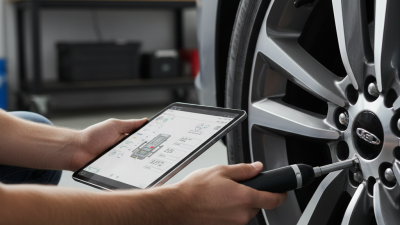
Accurate tire pressure measurement is crucial for ensuring both safety and optimal performance of your vehicle. To achieve this, you will need a reliable tire pressure gauge. There are various types available, including analog gauges with dial displays and digital gauges that provide a quick and clear readout. Each type has its benefits; for example, digital gauges often give easier readings, particularly in low-light conditions, while analog gauges can be more durable and require no batteries.
Before checking your tire pressure, ensure your tires are cold—meaning the car has not been driven for at least three hours. This is important because tires heat up when driven, causing the air inside to expand and yielding inaccurate pressure readings. To measure, remove the valve cap from the tire and firmly press the gauge onto the valve stem, ensuring a snug fit to prevent air leakage. Note the reading and compare it to the recommended pressure found on the driver’s side door jamb or in the owner’s manual. If the pressure is too low, add air until it reaches the recommended level, but if it’s too high, release some air gradually until the correct pressure is achieved. Regularly checking and maintaining proper tire pressure not only enhances fuel efficiency but also extends the lifespan of the tires, ensuring a safe driving experience.
Maintenance Tips for Regular Tire Pressure Checks and Adjustments
Regular tire pressure checks are crucial for ensuring both safety and optimal performance of your vehicle. The first step in maintaining proper tire air pressure is to invest in a reliable tire pressure gauge. It's advisable to check your tire pressure at least once a month and before long trips. Tires should be measured when they are cold, as driving generates heat that can increase the pressure readings. Make it a habit to visually inspect your tires for any noticeable wear or damage, and consult your vehicle's manual for the manufacturer's recommended pressure specifications.
When adjusting tire pressure, it's essential to inflate or deflate tires according to these specifications. Using an air compressor, fill the tire to the recommended PSI (pounds per square inch), ensuring that you do not overinflate, as this can lead to tire blowouts. If a tire is consistently losing pressure, it may have a puncture or leak; in such cases, having a professional inspect it is critical. Furthermore, rotating your tires regularly can help in maintaining uniform pressure across all tires, enhancing both performance and longevity. By adhering to these maintenance tips, you ensure safer driving conditions and improved fuel efficiency.
Essential Guide to Maintaining Proper Tire Air Pressure
This chart illustrates the recommended tire air pressure levels (in PSI) for different vehicle types. Maintaining proper air pressure is crucial for safety and performance, as under-inflated or over-inflated tires can lead to handling issues, increased wear, and potential blowouts.