2026 How to Choose the Right Tyre Valve for Your Vehicle?
Choosing the right tyre valve for your vehicle is crucial. Tyre valves play a significant role in maintaining proper air pressure and ensuring your safety on the road. A faulty valve can lead to deflation or blowouts, potentially causing accidents.
There are various types of tyre valves, including Schrader and Presta. Each has its advantages, depending on your vehicle's requirements. Understanding these differences is essential. Not all valves fit all tyres, and mismatched components can lead to poor performance.
When selecting a tyre valve, consider the type of driving you do. Off-road driving may require sturdier valves. Regular checks and maintenance are necessary as well. Sometimes, it’s easy to overlook the condition of your tyre valve. Neglecting it could be risky. A little research can go a long way in making the best choice. Your safety depends on it.
Understanding the Types of Tyre Valves Available for Vehicles
Choosing the right tyre valve for your vehicle is crucial for proper function. There are various types of tyre valves available. Each type serves different purposes and can impact the performance of your tyres.
For example, Schrader valves are most common in cars. They are easy to use and offer reliable sealing. On the other hand, Presta valves are often found on bicycles. They are slimmer and require a specialized pump. Knowing the differences can help you make the right choice.
When selecting a tyre valve, consider these tips: Check your vehicle's specifications. Certain types fit specific models. Inspect your current valves frequently. Worn-out or damaged valves can lead to air leaks. Don't overlook the importance of proper installation. Even a small mistake can cause issues.
Proper maintenance of your valves is necessary. Cleaning them prevents debris build-up. This also extends their lifespan. However, users often forget this step. Regular checks can save you from unexpected flat tyres. Consider these factors when making your decision. Your vehicle's performance depends on it.
Factors to Consider When Selecting Tyre Valves for Your Vehicle
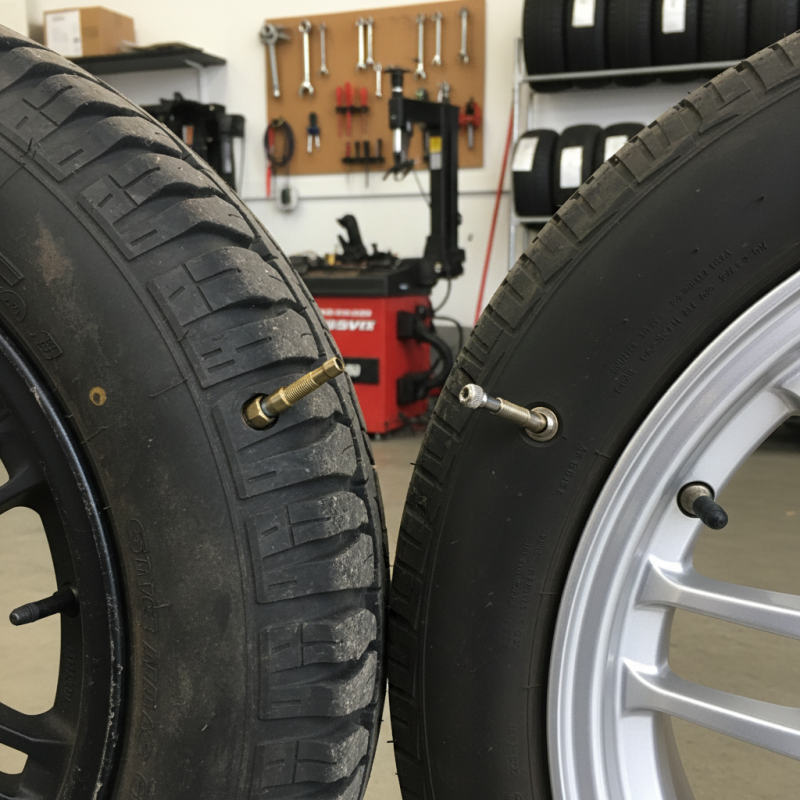
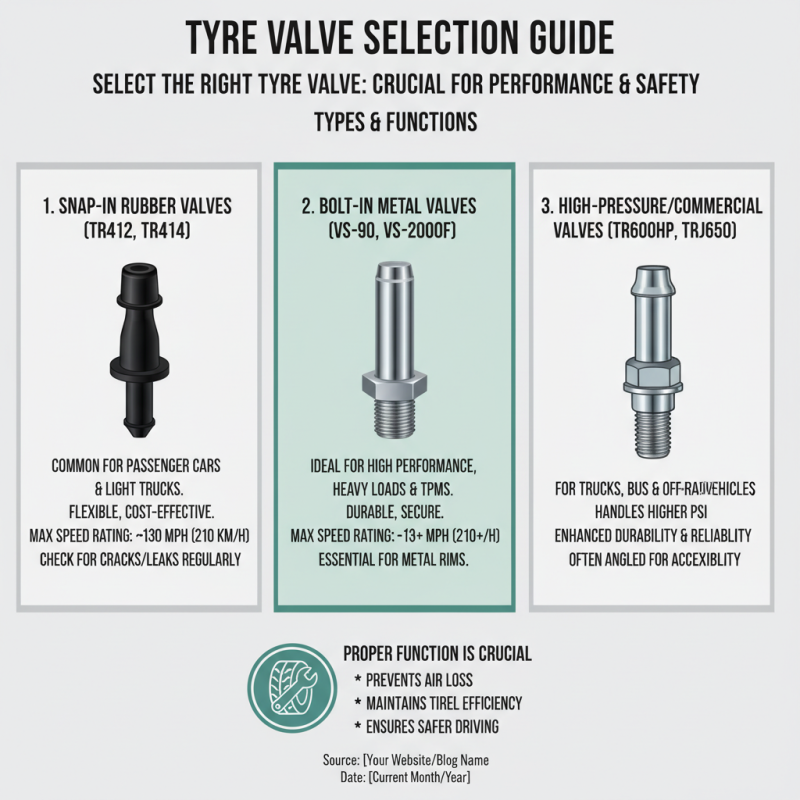
When selecting the right tyre valves for your vehicle, consider several key factors. The type of valve stem is crucial. There are two main types: rubber and metal. Rubber valves are lightweight and cheaper, but they may not last as long as metal ones. Metal valves tend to be more durable but can be heavier. Think about your driving conditions. If you drive in rough terrains, a robust valve is essential.
Pressure ratings are another important aspect. Some valves can only handle specific pressure levels. Ensure your valves match your tyre pressure requirements. Underrated valves can lead to failures. Additionally, consider the size and compatibility with your rims. A valve that's too small or too big won’t seal properly. In some cases, people overlook these measurements, leading to frustrating leaks.
Lastly, installation is not always straightforward. Some valves require special tools or skills. If you're unsure, seeking professional help might be wise. It may feel easy to pick any valve, but the right choice matters. Delaying this decision can have costly repercussions down the road. Always take time to evaluate and reflect on your choice.
2026 How to Choose the Right Tyre Valve for Your Vehicle?
This chart illustrates the importance of various factors when selecting tyre valves for your vehicle. The data reflects the percentage of vehicle owners who consider each factor essential.
Compatibility of Tyre Valves with Different Tyre Sizes and Types
Choosing the right tyre valve is crucial for optimal vehicle performance. Different tyre sizes and types require specific valves. A standard valve may not fit well with larger or unique tyre designs. This mismatch can lead to air leaks and unbalanced rides.
When selecting a valve, consider the tyre dimensions. For example, a smaller tyre may use a valve that fits snugly without excess gaps. Larger tyres often need more robust valves, providing better air retention. Valves also vary in materials, which can affect their longevity and performance in extreme conditions.
Not all valves are created equal. Some may seem compatible at first glance but fail during use. Regular checks can help prevent issues. Ensure that the valve you choose can handle the demands of your driving style. Reflecting on the choices made can lead to a safer and more efficient driving experience.
Installation and Maintenance Tips for Vehicle Tyre Valves
Choosing the right tyre valve is crucial for vehicle performance. Proper installation and maintenance of these valves can extend their lifespan significantly. According to a 2022 industry report, nearly 30% of tyre failures result from valve issues. It's essential to pay attention to both.
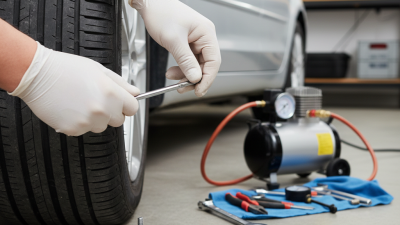
For installation, ensure you're using the correct tools. Over-tightening can damage the valve. This can lead to leaks and poor air retention. Check for any signs of wear or corrosion on the valve before installation. Even a small crack can lead to a major problem.
Maintenance is equally important. Regularly inspect your valves for damage. Tire manufacturers recommend checking the valves during each tyre rotation. A neglected valve can lead to pressure loss. This may create instability when driving. Remember, a simple visual check may save you from unforeseen risks on the road.
Ensure that valve cores are cleaned occasionally. Dirt can affect the seal and lead to air loss. Regular attention to these details can keep your vehicle safe and efficient.
Common Issues and Troubleshooting for Tyre Valve Problems
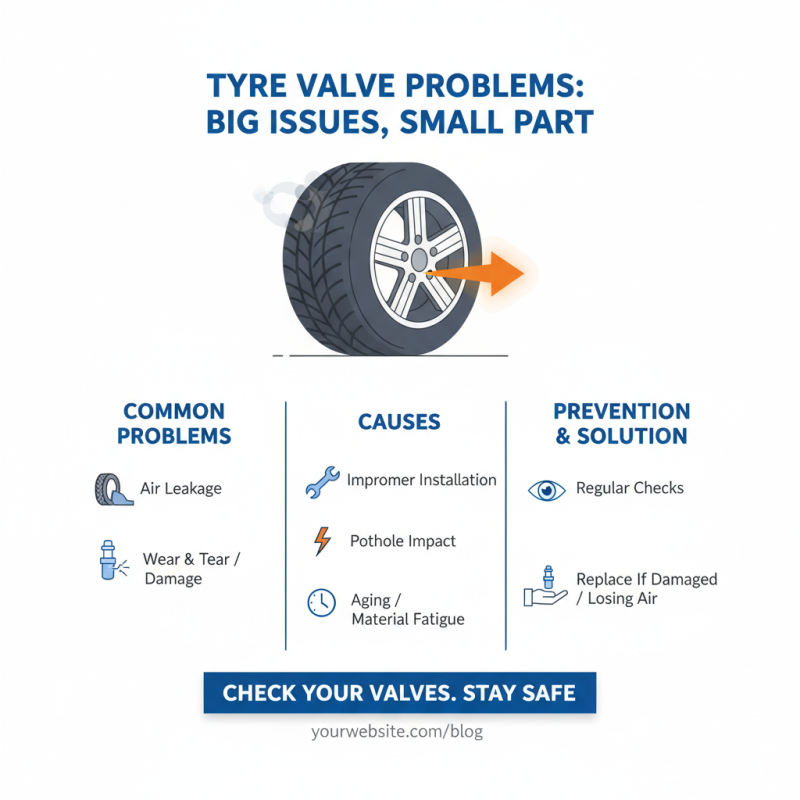
Tyre valves are small parts, but they can cause big issues if they malfunction. A common problem is air leakage. This can be caused by wear and tear, improper installation, or damage from hitting a pothole. Checking your valves regularly can help catch these issues early. If you notice your tyres losing air quickly, it’s time to inspect the valves.
Another problem is valve stem breakage. This happens more often in older vehicles. A broken valve stem can lead to flat tyres and safety hazards on the road. If you see cracks or signs of damage, replace them immediately. This small step can save you trouble later.
Tips: Always inspect your tyre valves during routine maintenance. This can be as simple as a visual check or pressing on the stem to ensure it functions properly. Keep an eye on your tyre pressure too. If it drops unexpectedly, there may be a valve issue. Timely inspections can prevent larger problems. Regular checks can save time and money.