Why Is Proper Tire Air Pressure Essential for Vehicle Safety and Performance?
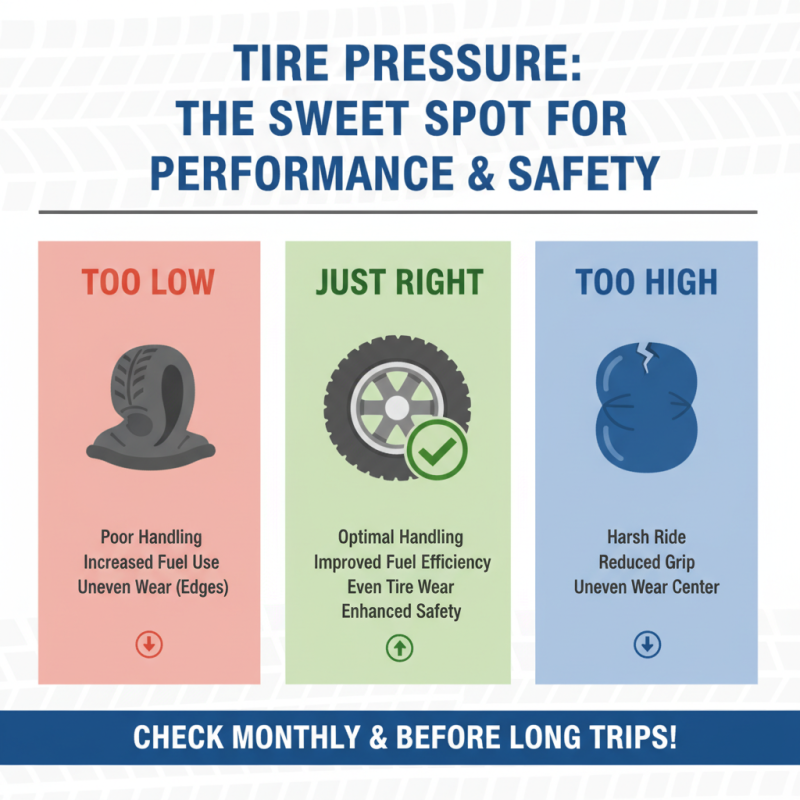
Maintaining proper tire air pressure is crucial for vehicle safety and performance. Tire air plays a significant role in how a vehicle handles on the road. A well-inflated tire ensures better traction, which is essential for stopping and turning effectively. Under-inflated tires can lead to poor control. This can result in dangerous situations, especially in adverse weather conditions.
Moreover, the performance of your vehicle directly correlates to tire air pressure. A tire that is not inflated properly can increase fuel consumption. It demands more effort from the engine, leading to higher costs. You may not notice a decrease in mileage right away, but over time, the effects can become significant.
Lastly, keeping an eye on tire air can prevent uneven wear. This not only decreases the lifespan of your tires but also affects your overall driving experience. It’s essential to regularly check and adjust tire pressure. While you may feel confident about your tire maintenance, it’s easy to overlook. Regular reminders and checks can ensure you drive safely and efficiently.
Importance of Tire Air Pressure for Vehicle Safety
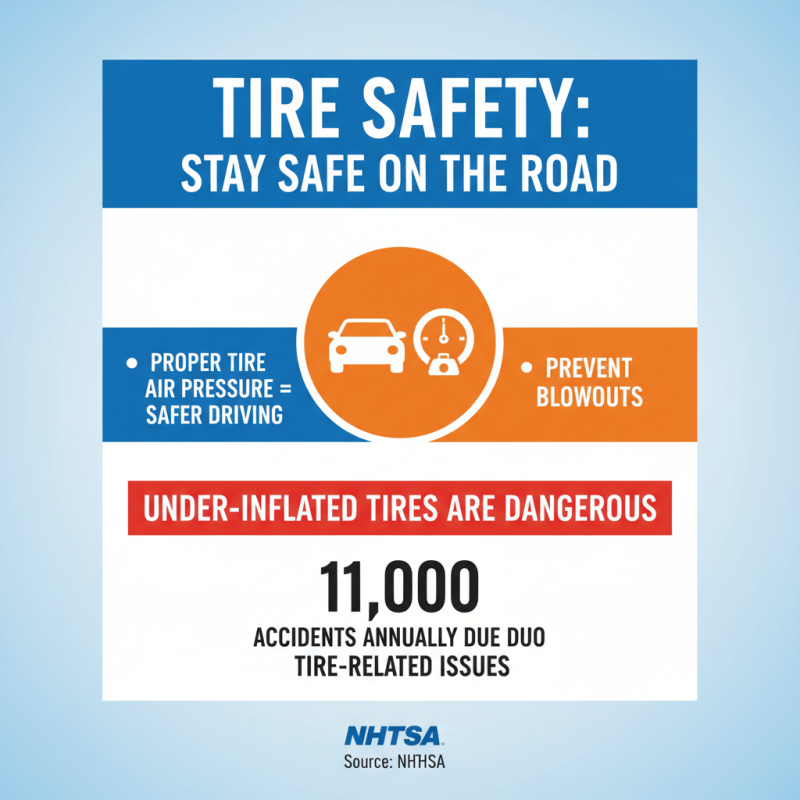
Proper tire air pressure is critical for vehicle safety. Under-inflated tires can lead to blowouts. According to the National Highway Traffic Safety Administration (NHTSA), nearly 11,000 accidents occur each year due to tire-related issues. This highlights the urgency of maintaining correct air pressure.
Maintaining optimal tire pressure can enhance vehicle performance. Studies show that tires inflated to the manufacturer's recommended levels can improve fuel efficiency by about 3%. Conversely, over-inflation can cause uneven wear and increase stopping distances. A report from the Tire Industry Association indicates that proper tire maintenance can reduce tire wear by up to 30%. Yet, many drivers overlook this simple task.
The complexities of tire pressure extend beyond safety and performance. Environmental conditions, like temperature fluctuations, affect tire pressure. A drop of 1 PSI occurs for every 10°F decrease in temperature. Many motorists may not check their tire pressure frequently enough. Despite the risks, a significant percentage of drivers ignore tire care. Regular checks could prevent accidents and improve vehicle life, yet many still fall short.
Consequences of Improper Tire Inflation
Improper tire inflation can have dire consequences for vehicle safety and performance. Studies reveal that 20% of vehicles have at least one tire under-inflated by 25% or more. This can lead to increased wear, reduced fuel efficiency, and diminished handling. Tires with low air pressure can overheat, making blowouts more likely. Such risks threaten driver safety and increase accident rates.
Moreover, over-inflated tires are not without danger. They lead to uneven wear and decreased traction. A report from the National Highway Traffic Safety Administration suggests that over-inflated tires can compromise braking performance. It’s vital to regularly check tire pressure. A simple gauge can prevent costly and dangerous issues down the road. Neglecting tire maintenance can result in an unexpected failure that could have been easily avoided.
Why Is Proper Tire Air Pressure Essential for Vehicle Safety and Performance? - Consequences of Improper Tire Inflation
| Tire Pressure (PSI) |
Impact on Fuel Efficiency (%) |
Braking Distance Increase (ft) |
Tire Wear Rate (%) |
Risk of Blowout (%) |
| 32 PSI |
0% |
Baseline |
Baseline |
1% |
| 30 PSI |
2% |
3 |
5% |
2% |
| 28 PSI |
4% |
5 |
10% |
5% |
| 26 PSI |
6% |
8 |
15% |
10% |
| 24 PSI |
8% |
10 |
20% |
15% |
Methods for Checking and Maintaining Tire Air Pressure
Maintaining proper tire air pressure is crucial for
safety and performance. Under-inflated tires can cause
increased rolling resistance, leading to reduced fuel efficiency. According to the
NHTSA, about 660 fatalities occur annually due to tire-related crashes.
Keeping tires at the recommended pressure can enhance traction and control,
reducing the chances of accidents.
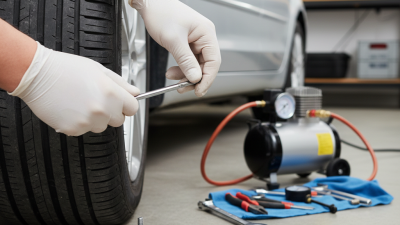
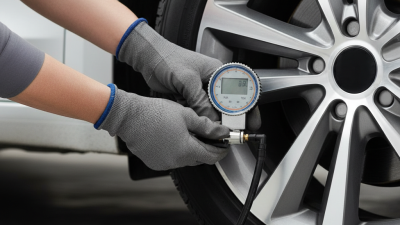
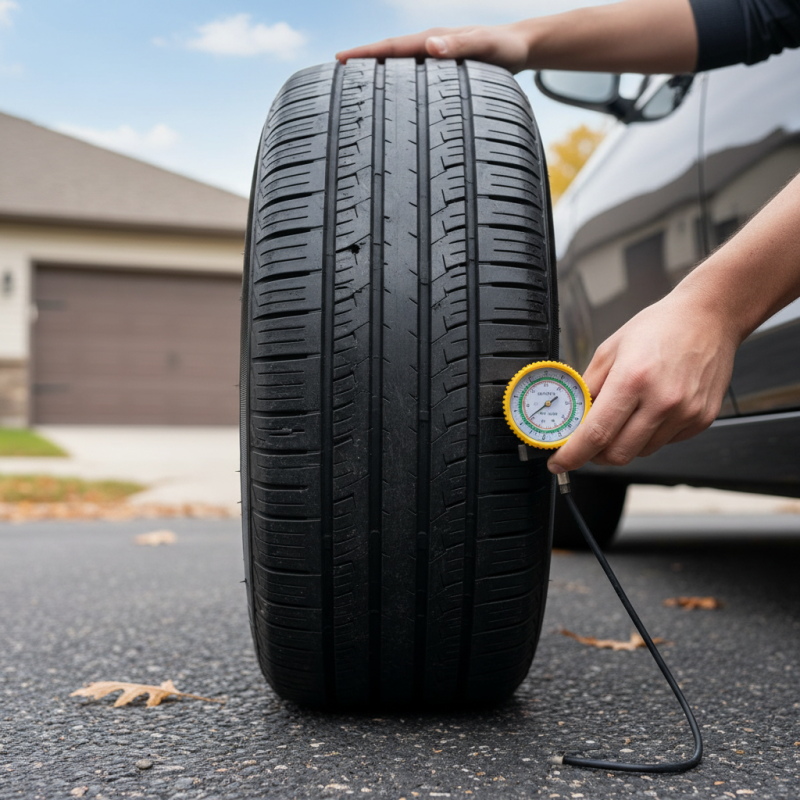
To check tire pressure, use a reliable pressure gauge. It's best to measure the pressure when tires are cold. A study from
the Rubber Manufacturers Association indicates that nearly 25% of vehicles have at least one under-inflated tire.
This issue can lead to uneven wear and lower your vehicle's handling abilities.
Tip: Check your tire pressure at least once a month. Consider doing it before long trips as well. Additionally,
remember that temperature changes can affect tire pressure, so adjustments may be needed with the seasons.
Regular maintenance is key. Inspect tires for visible damage and uneven wear. Some drivers forget this essential step, which can
lead to costly repairs or dangerous situations. Always consider the importance of tire maintenance as part of your overall
vehicle care.
Recommended Tire Pressure Levels for Different Vehicles
Proper tire air pressure is crucial for every vehicle. Different vehicles have unique requirements. Sedans typically require around 30 to 35 psi. SUVs might range from 32 to 40 psi. Larger vehicles, like trucks, often need higher pressure, sometimes exceeding 45 psi. These guidelines ensure optimal performance and safety.
Inappropriate tire pressure can lead to severe issues. Under-inflated tires may increase fuel consumption and wear unevenly. Over-inflated tires can reduce grip on wet surfaces. It’s not just about meeting the minimum standards; regularly checking tires is essential. Many drivers overlook this vital maintenance step. Keeping up with pressure checks can prevent dangerous blowouts.
Some may skip checking their tires for convenience. However, neglecting tire pressure can lead to accidents. Road performance hinges on proper inflation. Remembering to adjust pressure when loading the vehicle is also important. What works when the car is empty may not hold true when packed. Regular vigilance is the key to vehicle safety.
Recommended Tire Pressure Levels for Different Vehicles