Top 10 Tips for Maintaining Your TPMS Sensors for Optimal Performance
Maintaining your TPMS sensors is essential for vehicle safety and efficiency. These sensors monitor tire pressure and help prevent tire blowouts. However, many drivers overlook their maintenance. Neglect can lead to inaccurate readings and decreased sensor lifespan.
Regular checks are vital. Dirt or debris can interfere with sensor performance. It takes only a few minutes to inspect them. Be aware of warning lights that indicate a sensor issue. Ignoring these signs may lead to costly repairs. Remember, a small investment in upkeep can save money over time.
Some drivers may find it tedious to keep track of their TPMS sensors. This is understandable, but the consequences of inaction can be severe. Reflections on personal habits regarding vehicle maintenance can lead to better practices. After all, safety should always come first on the road.
Understanding TPMS Sensors and Their Importance
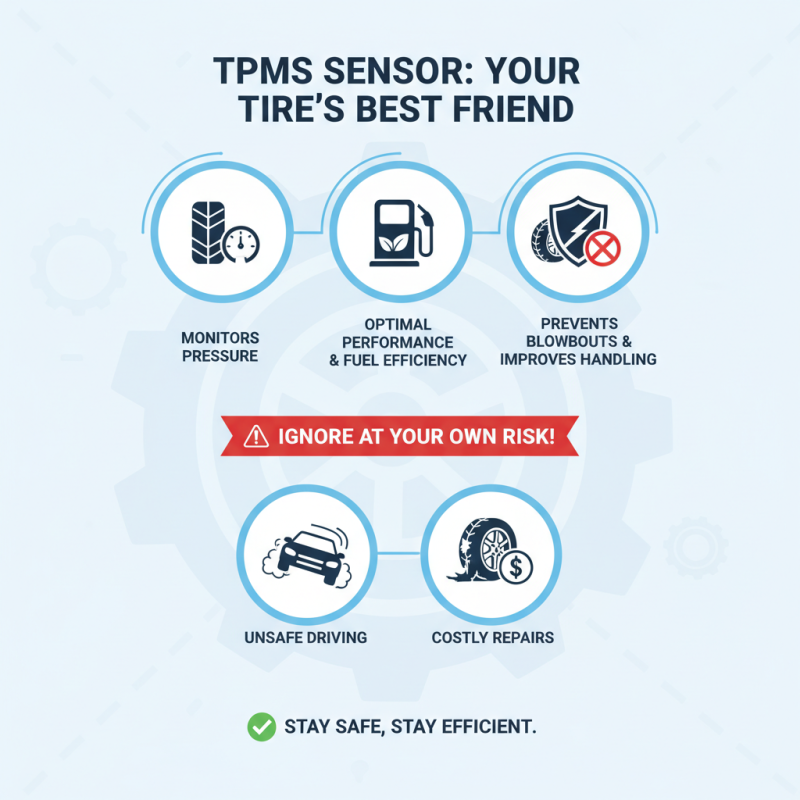
TPMS (Tire Pressure Monitoring System) sensors play a crucial role in vehicle safety. They monitor tire pressure, ensuring optimal performance and fuel efficiency. When these sensors work properly, they help prevent tire blowouts and improve handling. Ignoring them can lead to serious issues.
Maintaining TPMS sensors is vital. Regularly checking tire pressure is essential. Drivers should be aware of warning signs, such as dashboard alerts. Some people overlook these warnings, thinking they are minor issues. This can cause problems later. It’s important to inspect the sensors during routine tire maintenance. A simple visual check can reveal potential problems.
Improper installation can affect performance. A loose or damaged sensor may not provide accurate readings. Drivers often forget to address these issues promptly. Neglecting sensor care can lead to higher fuel consumption and increased wear on tires. Being proactive about TPMS maintenance is necessary for safety on the road.
Regular Inspection and Testing of TPMS Sensors
Maintaining your TPMS sensors is crucial for their performance. Regular inspection and testing help identify issues early. Check the sensors every few months. Look for signs of wear or damage. A simple visual inspection can reveal cracks or corrosion.
Ensure that your tire pressure is correct. Under-inflated tires can trigger sensor faults. Regularly utilize a tire pressure gauge for accuracy. If a sensor shows a warning light, investigate immediately. Ignoring it could lead to bigger problems.
Calibrating your TPMS sensors is also important. Out-of-sync sensors may not function properly. Follow your vehicle’s manual for calibration guidelines. Sometimes the sensors can lose connection. If this happens, they should be re-paired, as per instructions. Reflecting on your maintenance routine can lead to better outcomes. Improve your approach and keep those sensors in top shape.
Keeping Tire Pressure within Recommended Levels
Maintaining tire pressure within recommended levels is crucial for vehicle safety and performance. According to industry reports, proper tire inflation can enhance fuel efficiency by up to 3%. Under-inflated tires increase rolling resistance, negatively impacting fuel consumption and tire lifespan. Checking tire pressure regularly can prevent these issues.
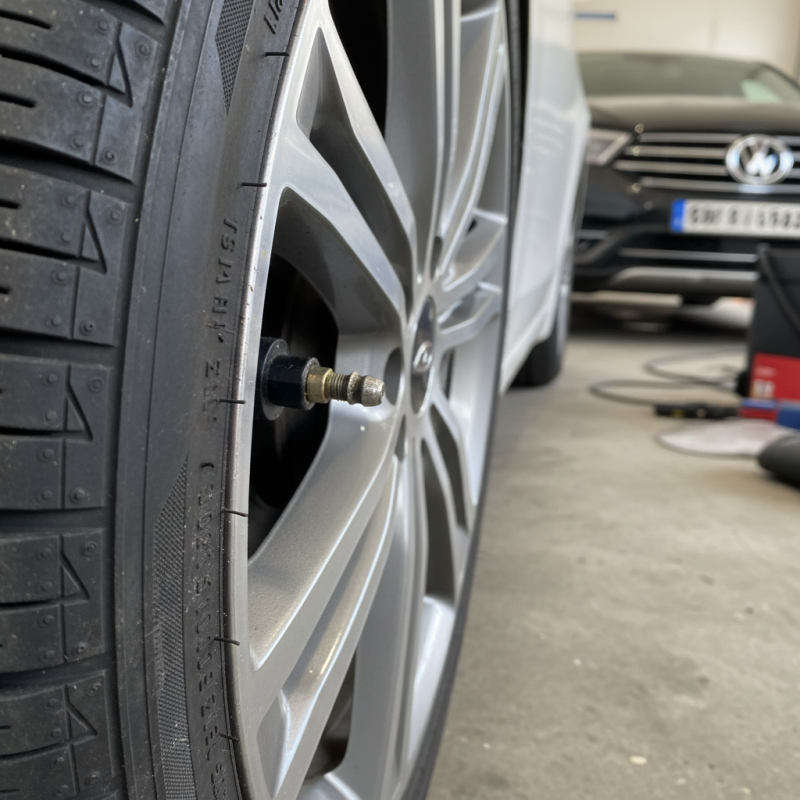
To maintain optimal performance of your TPMS sensors, ensure that they are free from dirt and debris. A clean sensor can function more effectively, transmitting accurate pressure readings. Regularly inspect the condition of the sensors, as exposure to extreme weather can lead to sensor failure. Remember, even minor fluctuations in pressure can affect handling and safety.
Consider investing in a reliable tire gauge for accurate measurements. There are times when TPMS sensors may not provide precise readings, due to battery depletion or sensor damage. Keeping a tire gauge handy can help you stay informed. Additionally, keep an eye on the driver's side door panel for the recommended PSI levels. Proper education about tire maintenance is often lacking. Changes in weather can also affect tire pressure. Recent studies indicated that tire pressure could drop by 1 PSI for every 10 degrees Fahrenheit drop in temperature. Regular checks are essential.
Addressing Warning Lights and Error Messages Promptly
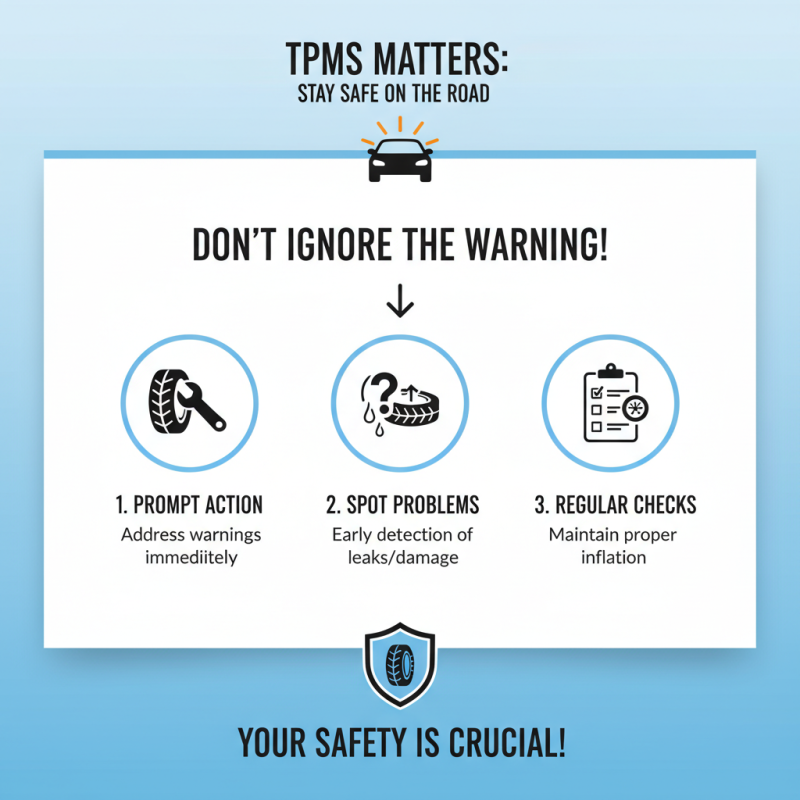
Maintaining your tire pressure monitoring system (TPMS) is crucial for safety. When warning lights appear, don’t ignore them. Address the issue promptly. A simple warning can indicate more significant problems, such as a tire leak. Regular checks are essential.
When a warning light activates, the first step is to check tire pressure. Use a reliable pressure gauge. Ensure all tires are inflated according to recommended levels. This might seem tedious, but correct tire pressure improves handling and fuel efficiency. If the light persists, consider potential sensor issues. Sometimes, sensors might require recalibration or replacement.
Error messages can be confusing. It’s essential to consult your vehicle’s manual for guidance. Many drivers overlook sensor maintenance. They may not realize that dust or debris can affect performance. Regular cleaning can help. A can of compressed air can do wonders. Ignoring these signs may lead to costly repairs down the road. A proactive approach can save time and money.
Using Quality Replacement Parts for Sensor Maintenance
Regular maintenance of your TPMS sensors is essential for accurate tire pressure readings. Using quality replacement parts can greatly enhance the performance of these sensors. Cheap alternatives might save money initially, but they often lead to more problems. A high-quality sensor can last longer and provide more reliable data. When selecting replacement parts, pay attention to the specifications. Make sure they match your vehicle's requirements. This detail is crucial for optimal sensor function.
Installing these quality parts is also vital. Improper installation can lead to sensor failure. It's important to follow the manufacturer's guidelines during this process. Sometimes, people overlook the importance of this step. Rushing through it can result in unforeseen issues down the line. Regularly check the condition of the sensors after installation. Visual inspections can help identify wear and tear before they become serious problems.
Remember that tire pressure monitoring systems are not just a convenience; they ensure your safety. Keeping sensors in peak condition should be a priority. Investing time and resources into quality maintenance will pay off in the long run. Quality parts lead to a better, safer driving experience.
Top 10 Tips for Maintaining Your TPMS Sensors for Optimal Performance
This bar chart illustrates the importance level of various maintenance tips for TPMS sensors. Each tip is rated on a scale of 1 to 10 based on its significance for ensuring optimal performance.