Best Tire Air Pressure Tips for Optimal Performance
Proper tire air pressure is crucial for vehicle performance. Maintaining the right tire air pressure enhances safety, fuel efficiency, and tire longevity. When tire air levels are too low, handling can suffer. Conversely, overinflated tires may wear unevenly. These conditions can lead to serious accidents.
Many drivers overlook regular tire air checks. It's a simple task that can prevent issues. Checking tire pressure monthly is ideal. However, factors such as temperature changes affect pressure. Cold weather can reduce tire air levels. You might feel a difference when driving in different seasons. Regular checks can catch these changes early.
While we aim for optimal performance, mistakes can occur. Sometimes, we forget or neglect tire maintenance. Recognizing when to adjust tire air and understanding your vehicle's needs is key. Your safety depends on it. Strive for better practices in tire care.
Understanding Tire Air Pressure and Its Importance
Maintaining optimal tire air pressure is crucial for vehicle performance. Under-inflated tires can decrease fuel efficiency by up to 3%. A study by the National Highway Traffic Safety Administration reveals that proper tire pressure extends tire life by 25%. It also enhances handling and braking distance, making every drive safer.
Tire pressure fluctuates with temperature changes. As the temperature drops by 10 degrees Fahrenheit, tire pressure can decrease by 1 PSI. Regular checks are essential to ensure safety and efficiency. Many drivers overlook this simple task. It may seem minor, but the impact is significant. Inconsistent pressure leads to uneven tire wear. This can result in costly replacements sooner than expected.
Ignoring recommended pressure can hurt your wallet and safety. A 2018 report showed that nearly 30% of drivers are unaware of their vehicle’s ideal tire pressure. Many simply rely on the tire's appearance. This is risky and often leads to accidents. A proactive approach of checking tires monthly is recommended. It not only enhances performance but also boosts overall peace of mind while driving.
How to Check Tire Air Pressure Accurately
Checking tire air pressure accurately is crucial for vehicle performance. Many drivers overlook this simple task. Yet, studies show that under-inflated tires can reduce fuel efficiency by up to 3%. This is significant considering rising fuel costs. A properly inflated tire can improve handling and extend tire life.
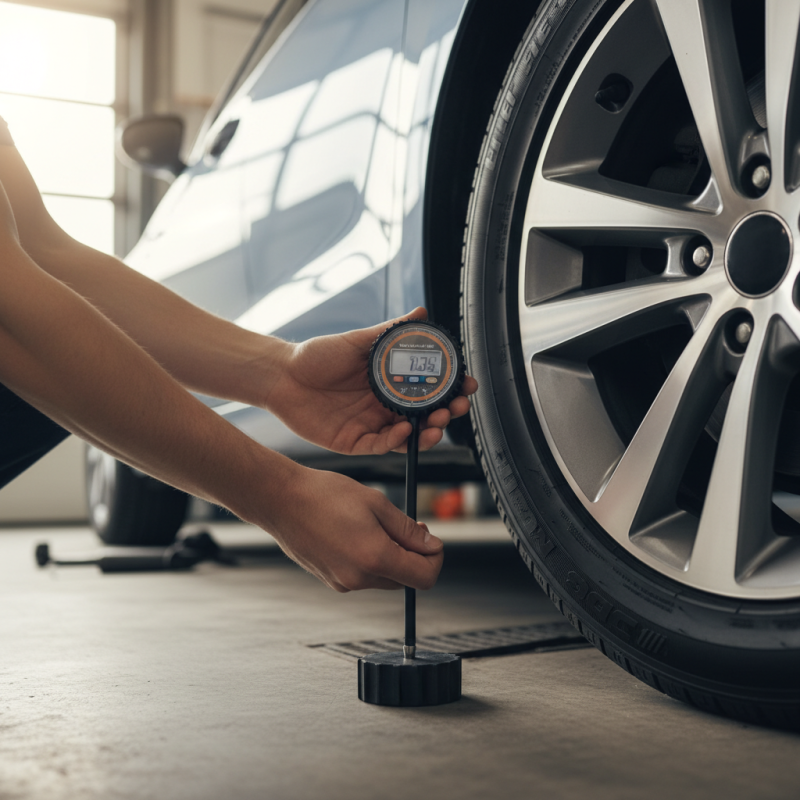
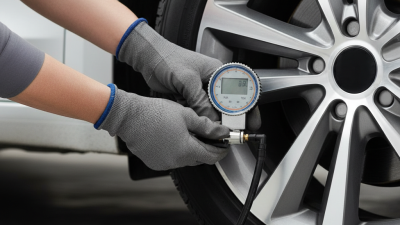
To check tire pressure, you need a reliable gauge. Digital gauges are often recommended for their accuracy. When checking, make sure the tires are cold. This means they haven't been driven for a few hours. A cold tire reads lower than a hot one.
It's easy to forget about tire pressure until problems arise. Many drivers do not realize their tires are under-inflated by 25%. This can lead to blowouts and dangerous conditions. Set a reminder every month. Regular checks can prevent accidents and improve overall safety. A small effort yields big rewards in tire life and performance.
Best Tire Air Pressure Tips for Optimal Performance
| Tip # |
Tip Description |
Frequency of Check |
Optimal Pressure (PSI) |
Notes |
| 1 |
Check tire pressure when tires are cold |
Weekly |
32-35 |
Avoid measuring after driving |
| 2 |
Use a reliable tire pressure gauge |
Before long trips |
32-35 |
Regularly calibrate the gauge |
| 3 |
Inspect tire sidewalls for signs of damage |
Monthly |
N/A |
Replace if bubbles or cracks are found |
| 4 |
Check tire pressure before changing seasons |
Seasonally |
32-35 |
Adjust for summer/winter variations |
| 5 |
Remember the spare tire |
Monthly |
30-32 |
Don’t forget about your spare |
Recommended Tire Air Pressure Levels for Different Vehicles
Maintaining the correct tire air pressure is crucial for vehicle performance. Different vehicles demand specific air pressure levels to ensure safety and efficiency. For instance, passenger cars typically require around 30 to 35 PSI. However, SUVs and light trucks often need higher pressures, ranging from 32 to 40 PSI. These ranges are essential for optimal fuel economy and tire longevity.
According to a study by the National Highway Traffic Safety Administration, properly inflated tires can improve fuel efficiency by up to 3%. This can mean significant savings over time. On the flip side, under-inflation leads to premature tire wear and can affect handling. For certain models, even just 2 PSI low can decrease fuel efficiency by 1%. It’s important to remember that tire pressure can fluctuate with temperature changes. Cold weather can lower pressure; it’s something many drivers overlook.
Consideration must be given to the load an vehicle carries. Heavier loads can require adjustments in tire pressure. As a rule of thumb, consult the vehicle's manual for specific recommendations. Ignoring these details can lead to poor performance. Tire safety isn’t just about following guidelines but also adapting to conditions. Taking the time to check tires regularly can make all the difference.
Impact of Temperature on Tire Air Pressure
Tire air pressure is crucial for safe driving and optimal vehicle performance. Temperature changes can significantly impact tire pressure. For every 10-degree Fahrenheit shift in temperature, tire pressure can change by about 1 PSI (pound per square inch). This fluctuation can lead to underinflation or overinflation, both of which compromise safety.
Consider the implications: during cold weather, your tires may lose air pressure. Driving on low pressure increases tire wear and affects fuel efficiency. A study found that tires inflated below recommended levels can reduce fuel economy by up to 3%.
Tips: Regularly check tire pressure, especially during seasonal changes. Use a reliable gauge for accurate readings. Adjust the pressure according to the temperature. Also, remember that tires heat up while driving, which can temporarily raise pressure.
During hot weather, tires can overinflate. This not only causes uneven wear but can also lead to blowouts. Although the ideal pressure varies, staying within recommended levels is crucial. Balance is key—keep an eye on your tires as temperatures shift.
Best Practices for Maintaining Optimal Tire Air Pressure
Maintaining optimal tire air pressure is crucial for vehicle performance and safety. According to the National Highway Traffic Safety Administration, approximately 30% of vehicles on the road have under-inflated tires. This can lead to reduced fuel efficiency and increased tire wear. Therefore, checking tire pressure regularly is essential.
Tips for maintaining proper tire pressure include checking it at least once a month. Use a reliable gauge for accuracy. Adjust tire pressure according to manufacturer recommendations, which can commonly be found in the vehicle’s manual or on a placard inside the driver’s door. Interestingly, tire pressure can change with outside temperatures. For every 10-degree drop in temperature, tire pressure can decrease by 1 PSI.
It’s also wise to inspect tires for any signs of wear or damage. Look for uneven wear patterns, which might indicate improper pressure maintenance. Another common mistake is overlooking the spare tire, which should also be checked. Ignoring this can leave drivers in a vulnerable situation when they need a spare. Remember, under-inflated tires can lead to blowouts, compromising your safety on the road.