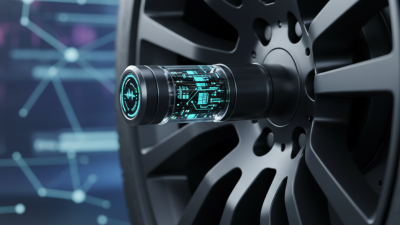
Why Are Tire Monitor Sensors Essential for Vehicle Safety?
In today's automotive landscape, tire monitor sensors play a crucial role in vehicle safety. According to the National Highway Traffic Safety Administration (NHTSA), improper tire pressure causes over 300,000 accidents annually in the U.S. alone. This alarming statistic highlights the importance of maintaining optimal tire conditions.
Tire monitor sensors help drivers track tire pressure in real-time. These sensors provide alerts for low pressure, which can prevent blowouts and improve fuel efficiency. In fact, maintaining correct tire pressure can boost fuel efficiency by about 3%. This is not just about performance; it’s a matter of safety.
Yet, even with advancements in technology, many vehicles still lack these vital sensors. A report from the Tire Industry Association reveals that nearly 25% of drivers do not understand the value of tire monitoring systems. This gap suggests room for improvement in education and awareness. Investing in tire monitor sensors should be a priority for every vehicle owner to enhance overall safety and reliability on the road.
The Role of Tire Monitor Sensors in Enhancing Vehicle Safety
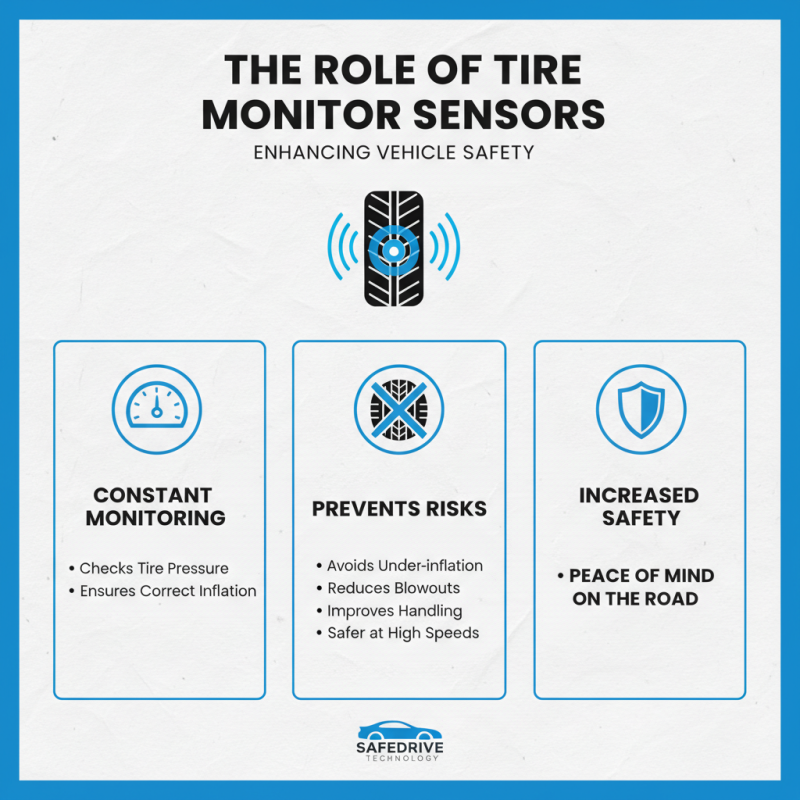
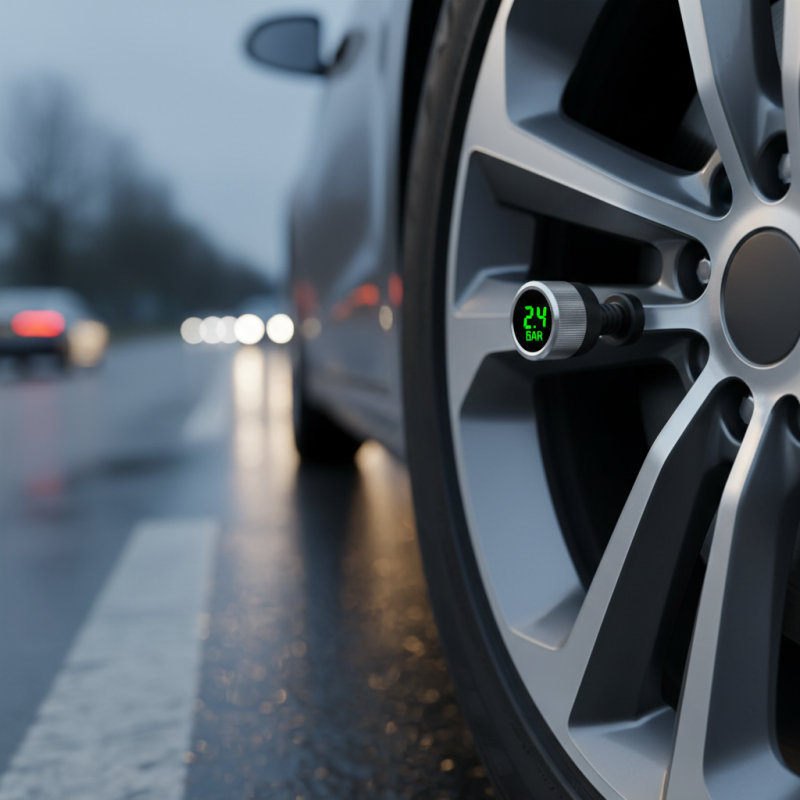
Tire monitor sensors play a crucial role in vehicle safety. They continuously check tire pressure, ensuring your tires are inflated correctly. Under-inflated tires can lead to blowouts or poor handling. This is especially dangerous at high speeds. Regular monitoring helps prevent such risks.
Maintaining proper tire pressure also improves fuel efficiency. When tires are properly inflated, vehicles consume less fuel. This not only saves money but also reduces emissions. A simple sensor can make a big difference in driving costs.
**Tip:** Regularly check your tire monitor system. If the warning light turns on, address it immediately. Ignoring it could lead to serious issues.
Tire sensors can sometimes fail or provide inaccurate readings. Regular maintenance is essential for safety. If your tire light seems faulty, consult a professional. Relying solely on technology may be a mistake. Being proactive about tire health is advisable for all drivers.
**Tip:** Use a manual gauge occasionally to compare readings. This ensures your sensors remain reliable.
Understanding How Tire Pressure Affects Vehicle Performance
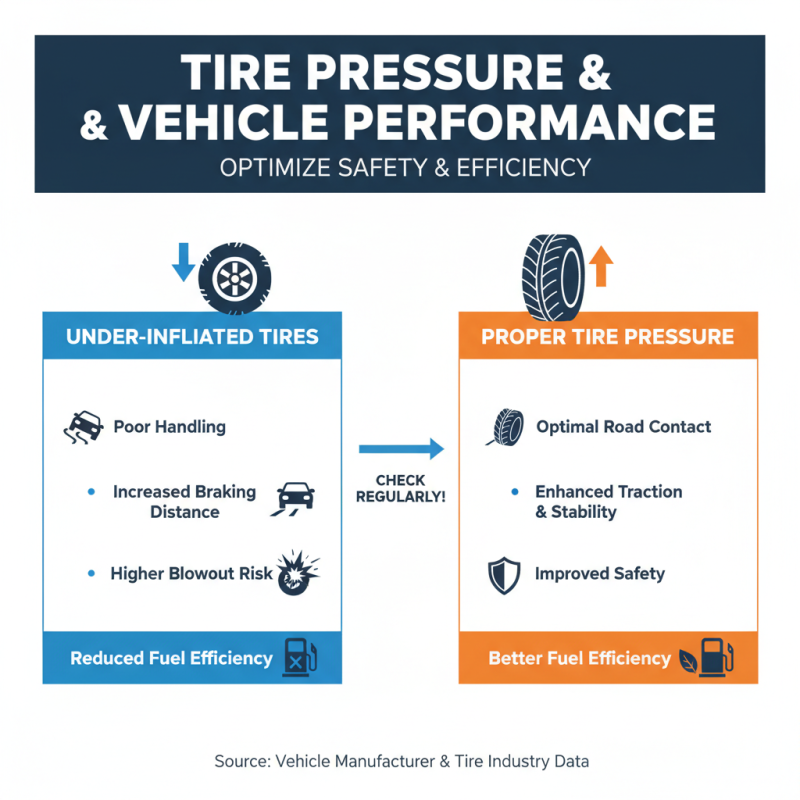
Tire pressure significantly influences vehicle performance and safety. Under-inflated tires can lead to poor handling, increased braking distance, and a higher risk of blowouts. Proper tire pressure ensures optimal contact with the road, enhancing traction and stability. A vehicle’s fuel efficiency is also affected; lower pressure increases rolling resistance, causing the engine to work harder.
Tips: Regularly check your tire pressure at least once a month. Use a reliable gauge to ensure accuracy. It's best to check tires when they are cold, as heat can affect the readings.
Over-inflation can be just as dangerous. Tires can wear unevenly and become more susceptible to punctures. A tire with too much air may not grip the pavement well, especially during bad weather. Balancing tire pressure is essential for longevity and safety.
Tips: Familiarize yourself with your vehicle’s recommended tire pressure. This information is usually found in the owner’s manual or on a sticker inside the driver’s door. Adjust pressure based on load and driving conditions.
The Technology Behind Tire Monitor Sensors
Tire monitor sensors play a crucial role in enhancing vehicle safety. These sensors continuously track tire pressure and temperature. According to the National Highway Traffic Safety Administration, under-inflated tires contribute to around 600 fatalities annually in the U.S. alone. Monitoring these metrics can prevent such tragedies.
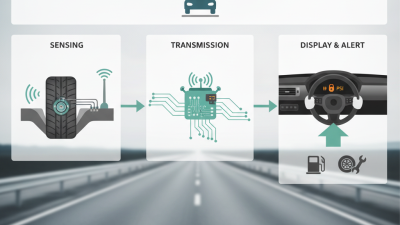
The technology behind tire monitor sensors is quite advanced. They utilize a combination of pressure transducers and temperature sensors. When tire pressure drops, these sensors send alerts to the driver. A 2020 industry report indicated that tire pressure monitoring systems (TPMS) can reduce blowouts by up to 50%. However, many drivers still ignore low-pressure warnings, showing a gap in awareness and vehicle maintenance.
Data also reveals that about 25% of vehicles on the road have at least one under-inflated tire. This highlights the necessity for regular checks. While the technology is reliable, drivers must remain proactive. Ignoring tire health can lead to accidents, posing serious risks. Investing in tire monitoring is not just about technology; it’s about cultivating responsible driving habits.
Tire Pressure Monitoring System Data
This chart displays the tire pressure data for a vehicle's tires. Monitoring tire pressure is crucial for vehicle safety as it ensures optimal handling, fuel efficiency, and tire longevity.
Common Issues Related to Tire Pressure Monitoring Systems
Tire pressure monitoring systems (TPMS) play a crucial role in vehicle safety. They alert drivers to changes in tire pressure that can lead to accidents. A study by the National Highway Traffic Safety Administration (NHTSA) shows that correct tire pressure can improve fuel efficiency by 3%. Poorly inflated tires increase the risk of blowouts, and studies indicate that under-inflated tires contribute to roughly 200 fatalities annually.
Common issues with TPMS include sensor malfunctions. Over time, sensors can fail due to corrosion or battery depletion. Research suggests that as many as 25% of monitored vehicles have at least one malfunctioning sensor. Drivers often overlook warning signs, which can create dangerous conditions on the road. Keeping an eye on these alerts is essential for preventing accidents.
Tip: Regularly check your tire pressure, at least once a month. This simple step can help you identify issues before they escalate. Also, consider having your sensors checked during routine vehicle maintenance. This proactive approach protects both you and your passengers. Remember, safety begins with awareness.
Benefits of Regular Maintenance and Calibration of Tire Sensors
Tire monitor sensors play a crucial role in vehicle safety. Regular maintenance and calibration of these sensors are often overlooked by many drivers. However, ensuring that these sensors function correctly can prevent serious accidents.
Calibrating tire sensors helps in accurately measuring tire pressure. A well-calibrated sensor will alert you to low tire pressure early. This timely alert can significantly enhance driving stability. However, many drivers may think they are fine without regular checks. This misconception can lead to increased tire wear and a higher risk of blowouts.
Routine maintenance involves inspecting the sensors for damage and battery life. Faulty sensors may provide incorrect readings. It is essential to address any issues promptly. Ignoring them could compromise your vehicle's performance. Investing time in sensor maintenance reflects a commitment to safety.