What is tire tpms and how does it work in your vehicle?
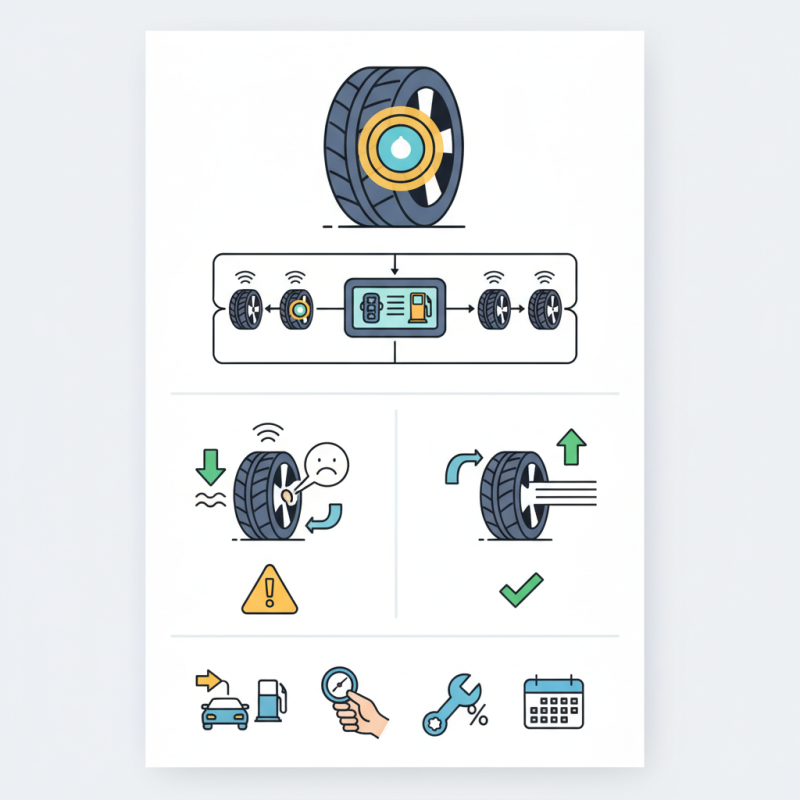
Tire TPMS, or Tire Pressure Monitoring System, is vital for vehicle safety. This system monitors tire pressure in real-time. It alerts drivers when pressure drops too low. Maintaining proper tire pressure is crucial for handling and fuel efficiency.
However, not all drivers understand how tire TPMS works. The sensors track air pressure for each tire. When a tire is under-inflated, the system sends a warning signal. But what happens when the warning light activates? Many drivers may neglect this alert, leading to unsafe driving conditions.
Awareness of tire TPMS can enhance road safety significantly. It offers an easy way to prevent blowouts and improve fuel economy. Yet, relying solely on this technology can lead to complacency. Regular tire inspections remain essential. Trusting the system doesn't replace good habits. Understanding tire TPMS will empower drivers to make better decisions on the road.
What is Tire TPMS and Its Importance in Vehicle Safety
Tire Pressure Monitoring Systems (TPMS) play a crucial role in vehicle safety. These systems continuously monitor tire pressure and alert drivers to potential issues. According to industry reports, under-inflated tires can reduce fuel efficiency by up to 3%. This is significant given that many drivers prioritize fuel economy.
A study indicated that proper tire pressure can extend tire life by 25%. This adds value in the long term, as tires are an essential investment for any vehicle owner. TPMS alerts can prevent blowouts and enhance overall safety on the road. However, many drivers neglect these warnings or are unaware of their implications.
Despite the advancements in TPMS technology, driver awareness remains inconsistent. Reports show that nearly 30% of drivers ignore their TPMS alerts. This can lead to dangerous conditions. Regularly checking tire pressure manually is still recommended, as reliance solely on TPMS may not be sufficient. Each vehicle owner should reflect on their responsibility for safety.
Tire TPMS and Its Importance in Vehicle Safety
This chart illustrates the distribution of tire pressure-related incidents over the past year among vehicle owners. Proper maintenance of the Tire Pressure Monitoring System (TPMS) can significantly reduce these incidents and improve vehicle safety.
Types of Tire Pressure Monitoring Systems: Direct vs. Indirect
Tire Pressure Monitoring Systems (TPMS) play a crucial role in vehicle safety. There are two main types: direct and indirect systems. Understanding these differences helps you choose the right one for your vehicle.
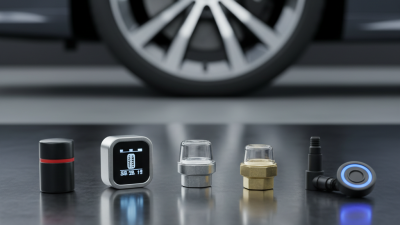
Direct TPMS uses sensors in each tire. These sensors measure the actual tire pressure and send data to the vehicle's onboard computer. If the pressure drops below a certain level, an alert is triggered. This system provides accurate readings and alerts drivers in real-time. However, sensor maintenance can be a challenge. Losing a sensor can lead to additional costs.
Indirect TPMS takes a different approach. It relies on the vehicle's ABS (Anti-lock Braking System) to estimate tire pressure. It measures wheel speed and infers pressure based on changes in tire diameter. While this system is less expensive, it can be less accurate. It may not provide immediate alerts when a tire is under-inflated. Users might find themselves checking manually, which is an extra task.
Both systems have their advantages and drawbacks. Direct TPMS offers precision but requires more upkeep. Indirect TPMS is simpler but can miss vital information. These trade-offs are essential to consider when ensuring your vehicle's safety and performance.
How TPMS Works: Sensors, Data Transmission, and Alerts
Tire Pressure Monitoring Systems (TPMS) play a crucial role in vehicle safety. They utilize sensors to monitor tire pressure in real-time. When pressure drops below a certain threshold, the system sends alerts to the driver. This proactive technology can prevent accidents and improve fuel efficiency.
Most systems employ direct sensors located inside the tires. These sensors measure the actual air pressure and temperature. Data is transmitted wirelessly to the vehicle's onboard computer. If the pressure is too low, a warning light illuminates on the dashboard. Research shows that properly inflated tires can improve fuel economy by up to 3%—a significant gain.
Tips: Always check your TPMS indicator. If it lights up, assess tire pressure immediately. Regular tire maintenance is vital. Even with TPMS, drivers should not ignore manual checks. A visual inspection of tires can sometimes reveal issues that sensors might miss. Remember that TPMS may not function correctly if the sensors are damaged or the battery is depleted. Vehicle owners should be aware of their system's limitations.
Industry Standards for TPMS: Regulations and Compliance
Tire Pressure Monitoring Systems (TPMS) have become essential in modern vehicles. Industry standards for TPMS are crucial for safety and efficiency. The National Highway Traffic Safety Administration (NHTSA) states that under-inflated tires lead to nearly 11,000 accidents annually in the United States. Maintaining proper tire pressure can significantly reduce these numbers.
Compliance with TPMS regulations varies by region. In the U.S., the TREAD Act mandates all passenger vehicles to have TPMS since 2008. Similar regulations exist in Europe, where the European Union called for TPMS in new cars beginning in 2014. Despite these measures, some vehicles still lack operational systems. A report indicated that nearly 50% of cars on the road do not have functioning TPMS. It's a concerning fact that highlights a gap in compliance.
Understanding and adhering to these industry standards can enhance vehicle safety. However, many drivers ignore the warning signs from their TPMS. Awareness and education on TPMS are still lacking among consumers. Almost 30% of drivers are unaware of TPMS alerts and how to respond. This gap presents a significant challenge for the automotive industry, emphasizing the need for better communication about TPMS functions and importance.
Impact of TPMS on Fuel Efficiency and Tire Longevity
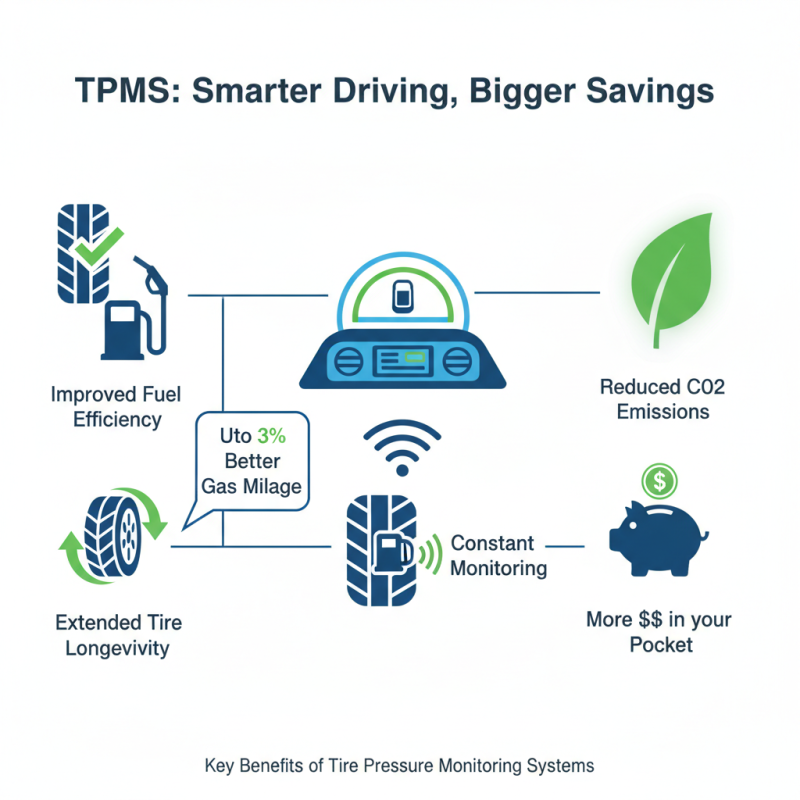
Tire Pressure Monitoring Systems (TPMS) play a critical role in enhancing fuel efficiency and extending tire longevity. By continuously monitoring tire pressure, TPMS alerts drivers about any significant drop. Under-inflated tires require more energy, which translates to increased fuel consumption. Studies suggest that proper tire pressure can improve gas mileage by up to 3%. That’s a noticeable difference for many drivers.
Moreover, well-inflated tires wear evenly. When tires are properly inflated, they maintain better contact with the road. This results in improved traction, which not only enhances safety but also prolongs tire life. Uneven wear from low pressure leads to premature tire replacements. It’s not just about saving money; proper maintenance enhances overall vehicle performance. However, many drivers overlook regular pressure checks. This negligence can lead to issues down the road.
Using TPMS can help consolidate these practices. Alerts encourage drivers to check pressures often. Yet, some may ignore these signals, thinking everything is fine. Education about tire care is necessary. It’s important to recognize that ignoring warning signs could affect numerous aspects of driving experience, from safety to fuel expenses. Balancing convenience with responsibility is vital to not just personal safety but also to the environment.