Top 10 Tire Websites for Global Buyers?

Buying tires from another country can look simple until the details arrive. A tire website may show clear prices and attractive product photos, yet buyers still need to check size, load index, speed rating, and delivery coverage. A small mismatch can affect fit and performance. Read the specifications carefully.

This guide compares ten websites that serve global buyers, focusing on product range, search tools, pricing transparency, and customer support. It also considers practical signals, such as whether a listing identifies the manufacturer, explains shipping limits, and shows current stock. Details matter. Availability can change by destination, and import fees may not appear in the displayed price. Confirm these points with the seller before ordering.

A strong online store should make comparison easier, not replace informed judgment. Reviews can help, but they may not reflect your vehicle, road conditions, or local service options. I would treat rankings as a starting point, not a guarantee; even a well-designed site can leave important questions unanswered. The selections below aim to help readers compare options with care and identify which tire website best fits their needs. Check the fine print, then verify compatibility with a qualified tire professional when uncertain.
Top 10 Tire Websites for Global Buyers?

How Global Tire Websites Serve International Buyers

Top 10 Tire Websites for Global Buyers?

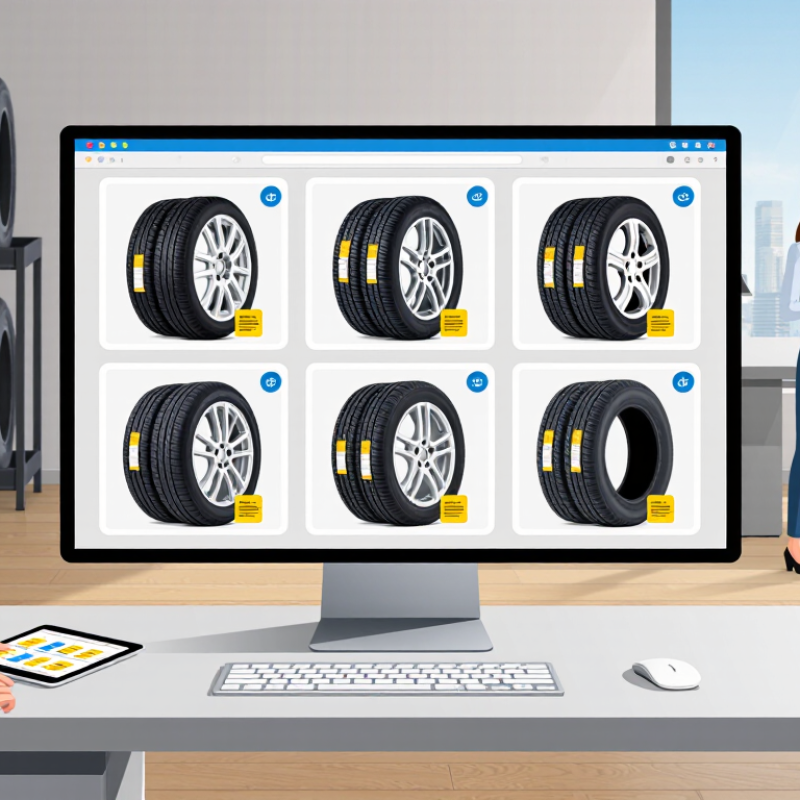
For international tire buyers, a useful website does more than display prices. It explains tire dimensions, load indexes, speed ratings, tread patterns, and seasonal use in clear language. Good filters narrow choices by vehicle type, road conditions, and intended mileage. Small details matter. A product page should show whether the listed price covers one tire or a full set, and whether stock information is current.

Cross-border ordering adds practical questions. Buyers need estimated dispatch times, delivery options, packaging details, and a way to request a freight quote for larger orders. Currency conversion helps, but checkout pages should identify possible import charges as estimates, not guaranteed totals. Clear contact channels also matter when buyers need written confirmation about fitment or shipping. A response within one business day is useful, though not every seller can promise it.

Experienced buyers compare specifications across several listings before ordering. They may send the vehicle’s tire placard details and ask the seller to confirm compatibility in writing. That extra step can prevent costly mistakes. Still, online descriptions are not always complete; some listings omit production dates or regional sizing notes. A website earns trust by stating what it cannot verify and correcting errors promptly, rather than making every option sound perfect.

How Global Tire Websites Help Buyers Compare Tire Specifications

A clear tire-size breakdown helps international buyers compare measurements across markets.

Example: in 205/55 R16, 205 is the nominal section width in millimeters, 55 is the sidewall height as a percentage of the width, and 16 is the rim diameter in inches. The chart converts these dimensions to millimeters; actual tire measurements can vary by model and manufacturer.

Key Criteria for Evaluating Tire Websites

A reliable tire website makes technical comparison easy. Product pages should display tire size, load index, speed rating, construction, tread pattern, and manufacturing date. Buyers also need clear fitment guidance for passenger cars, trucks, or agricultural equipment. A polished page proves little by itself. Check whether specifications match downloadable certificates and product images, and whether the site explains how it verifies stock. Small details matter.

Global purchasing depends on more than the listed price. Show shipping options, estimated dispatch times, minimum order quantities, accepted payment methods, and an estimate of freight and duties. UNCTAD’s Review of Maritime Transport 2024 notes that maritime shipping carries over 80% of world trade by volume, making transparent logistics information essential for cross-border orders. DHL’s 2024 e-commerce research reports that 81% of shoppers may abandon a purchase when delivery options fail to meet expectations. Clear return terms and responsive support matter, too. Test the contact channel with a specific question; a slow or vague answer is a useful warning. No website can remove every sourcing risk, so buyers should independently confirm documentation and delivery terms before paying.

Profiles of Ten Leading Tire Websites

A useful profile of ten leading tire websites starts with what each helps buyers do. A broad online retailer usually offers filters for diameter, width, season, and price. Its fitment guide can save time, but buyers should verify the vehicle details before ordering. A comparison site places similar products side by side. Check whether its prices include delivery, installation, and disposal fees.

A local dealer directory connects online research with nearby fitting services. Look for clear appointment details and shop contact information. A commercial-tire portal focuses on fleet needs, such as load capacity and operating conditions. A performance-focused site explains handling trade-offs and offers technical specifications. An all-weather specialist helps shoppers compare winter traction, wet braking, and noise. These details matter. An educational site may explain tread wear with close-up diagrams, though advice should be checked against the vehicle manual.

A mobile-first retailer makes searching easier on a small screen. A wholesale portal may suit repeat buyers, but minimum quantities can limit its value. A manufacturer-independent review site can offer useful testing context when it explains methods and test conditions. Finally, a service-booking website links tire selection to installation. Confirm the quoted tire size, load rating, and service charges before paying. A polished layout is helpful; it is not proof of accuracy. Reliable sites make specifications, return terms, and support options easy to find.

Comparing Product Range, Pricing, and Shipping Options

Global buyers comparing tire websites should check product range by vehicle type, season, load index, and size—not by headline count alone. A useful listing shows the full tire specification, manufacturing date, warranty terms, and stock status. Ask for a quote on identical sizes and quantities; otherwise, price comparisons can mislead. Small detail, big difference.

Compare the delivered cost, including duties, local taxes, handling, and any surcharge for remote delivery. The World Bank’s 2023 Logistics Performance Index evaluates 139 economies across customs, infrastructure, shipment arrangements, and other logistics measures. It offers context for delivery risks, but cannot predict a specific order’s arrival date. Request a written estimate, tracking method, and clear policy for damaged or missing tires.

Shipping deserves careful scrutiny. UNCTAD’s Review of Maritime Transport 2024 reported that global maritime trade grew 2.4% in 2023, while disruptions strained routes and schedules. For bulky tires, ask whether shipping is priced per tire, pallet, or container, and confirm packaging before payment. A low quote may omit inland freight. Website comparisons are imperfect, too: stock can change between inquiry and checkout, and exchange rates can shift the final bill.

Top 10 Tire Websites for Global Buyers? — Comparing Product Range, Pricing, and Shipping Options

How to read this comparison: These are ten common types of tire-selling websites, not a ranking of named companies. Prices, stock, export eligibility, and delivery terms depend on tire specifications, order size, destination, and seller. Confirm final terms directly before ordering.

No. Website Type Typical Product Range Pricing Information Shipping Options to Check Best Fit for
1 Online Tire Retailer Passenger-car and light-truck tires, often searchable by vehicle, size, or season. Per-tire prices are commonly displayed; fitting, taxes, and delivery may be separate. Usually serves selected domestic regions. Check delivery coverage, fitting-point options, and fees. Individual drivers and small fleets buying common sizes.
2 Commercial Truck Tire Supplier Truck and bus tires, including steer, drive, and trailer applications. Often quote-based for fleets or bulk orders; request pricing by size, load rating, and quantity. May offer palletized freight or regional delivery. Confirm unloading requirements and delivery access. Fleet operators, transport companies, and commercial tire dealers.
3 Agricultural Tire Supplier Tractor, implement, forestry, and other off-highway agricultural tires. Prices depend heavily on size, construction, and application; large units are commonly quoted individually. Freight delivery is typical for oversized tires. Check rural-area service and equipment needed for unloading. Farms, agricultural equipment dealers, and machinery operators.
4 Off-the-Road Tire Specialist Construction, industrial, earthmover, and mining tires in specialized sizes and specifications. Usually request-for-quote pricing; technical specification and order volume affect the offer. Project freight, container, or heavy-haul arrangements may be required. Confirm destination handling and lead time. Mining, construction, and industrial equipment buyers.
5 Motorcycle Tire Retailer Motorcycle and scooter tires, commonly organized by wheel size, riding style, or fitment. Often listed per tire; installation and shipping costs may not be included in the displayed price. Parcel delivery is common where available. Check cross-border restrictions and local fitting support. Motorcycle owners, repair shops, and specialist retailers.
6 Wholesale Tire Marketplace Listings from multiple sellers across passenger, light-truck, and sometimes commercial categories. May show unit or lot prices, or require a seller quote; compare minimum quantities and payment terms. Options vary by seller. Confirm whether freight is included and who arranges export documentation. Dealers and resellers comparing multiple supplier offers.
7 B2B Export Supplier Directory Supplier listings may cover several tire categories and private-label or bulk supply requests. Typically quote-based. Ask for a written specification, minimum order quantity, and payment terms. Export may be possible, but destination coverage and Incoterms must be confirmed with each supplier. Importers seeking bulk supply or supplier leads.
8 Surplus and Auction Marketplace Variable lots, including excess inventory, discontinued sizes, or used tires where permitted. Auction bids or lot prices; inspect condition, age, quantity, and return terms before purchase. Often buyer-arranged freight or collection. Check lot location, loading arrangements, and export eligibility. Experienced buyers comfortable assessing variable stock and lot terms.
9 Local Dealer Ordering Portal Products available through a dealer network, with selection tied to local inventory and service areas. Prices or quotes may be tied to a selected dealer; fitting and service charges can be additional. Usually focused on local delivery or store collection rather than international shipping. Buyers who want local installation, support, or warranty service.
10 Retread Tire Supplier Retreaded commercial tires and related casing or retreading services, depending on the supplier. Quotes may depend on casing condition, retread process, quantity, and any casing exchange terms. Regional freight or return-casing logistics may apply. Confirm collection, delivery, and packaging responsibilities. Commercial fleets evaluating retreads and casing-management programs.

Choosing a Tire Website for Your Market and Needs

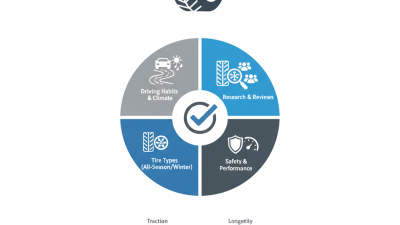
Choosing a tire website for your market starts with the vehicle and the conditions it faces. Check the exact tire size, load index, and speed rating against your vehicle documents. Then consider local weather, road surfaces, and typical driving distances. A tire suited to wet coastal roads may not be ideal for steep, cold routes. Details matter.

A useful website explains product specifications clearly and shows whether stock is available for your destination. Look for realistic delivery estimates, shipping costs, return conditions, and warranty coverage before paying. If the listed production date matters to you, ask how it is confirmed; online listings do not always answer this clearly. Compare the full delivered cost, not just the displayed tire price. Good customer support should handle specific questions without vague promises.

Tips: Keep a note of your tire size and vehicle requirements before browsing. Ask for written confirmation of the selected specifications and delivery terms. Check that any stated certification or labeling suits your market. If details conflict, pause and verify them. A neat product page is helpful, but it is not proof that every detail is correct.