
Choosing the right Oil Tank supplier affects safety, operating continuity, inspection planning, and long-term storage costs. Global buyers must look beyond advertised capacity and attractive pricing. Steel grade, welding quality, coating systems, leak protection, fabrication tolerances, and after-sales support deserve close attention. A tank may look impressive on a brochure. The details matter more.
Petroleum specialist Dr. James G. Speight has stated, “Storage tanks are an essential part of the petroleum industry.” That practical observation still guides responsible procurement. Reliable suppliers should provide traceable materials, documented quality inspections, clear installation requirements, and maintenance guidance suited to the stored product. Certifications matter, but they should support real engineering controls rather than replace them. Site climate, foundation conditions, loading cycles, temperature changes, and transport limits can change the best choice.
This guide examines ten leading Oil Tank suppliers serving international buyers. It considers manufacturing experience, product range, customization, quality systems, delivery capability, and technical service. Some companies excel in large atmospheric tanks. Others perform better with modular systems, mobile units, or specialized industrial storage. No supplier is perfect. That is worth remembering.
A low quotation can hide engineering compromises. A famous brand may still be unsuitable for a difficult site. Buyers should compare evidence, not reputation alone. The strongest decisions usually come from verified project records, independent inspections, and clear communication between the supplier and site team. Small details, such as drain placement or ladder access, can become major operating concerns. This ranking offers a practical starting point, not a substitute for project-specific engineering review.
Global oil demand reached about 103 million barrels per day in 2024, creating steady pressure on storage infrastructure. Refineries, terminals, and distribution centers need tanks that support reliable handling, accurate inventory control, and safer daily operations. For global buyers comparing the top 10 oil tank suppliers, capacity alone should not decide the purchase.
Experienced suppliers should provide tanks designed for crude oil, refined products, or other approved petroleum applications. Buyers should examine material grades, welding procedures, internal coatings, floating-roof systems, and corrosion protection. API 650 or equivalent standards can help verify structural quality. Local seismic, wind, fire-safety, and environmental rules also require careful review.
A strong supplier usually offers engineering drawings, factory testing, installation guidance, and documented inspections. Useful details include tank diameter, shell thickness, foundation requirements, inspection access, and expected service life. After-sales support matters too. A damaged seal or faulty gauge can interrupt an entire loading schedule.
Price can mislead.
Some low-cost proposals exclude transport, site assembly, commissioning, or future maintenance. Buyers should request a complete ownership estimate instead of comparing only the initial quotation. No ranking is perfect. Supplier performance can change by region, project size, and technical complexity, so references from similar facilities deserve close attention. Even experienced teams may overlook climate effects, especially when a tank moves from a dry inland site to a humid coastal terminal.
Global oil demand reached approximately 103 million barrels per day in 2024, supporting continued demand for crude oil storage tanks, terminal infrastructure, and related equipment.
The chart shows estimated global oil consumption from 2019 to 2024. Values are measured in million barrels per day and are presented for market context without ranking individual companies or brands.
For global buyers comparing the top 10 oil tank suppliers, standards should matter more than catalogue size. API 650 covers welded storage tanks operating near atmospheric pressure, while API 620 addresses large welded tanks for low-pressure service. The difference affects shell design, roof loading, inspection, and site conditions. A supplier should provide the design basis, material traceability, welding procedures, and hydrostatic test records. Industry experience shows that small document gaps can create large delays during installation.
ISO 9001 is a quality-management benchmark, not a tank design approval. The ISO Survey 2022 reported 1,265,216 valid ISO 9001 certificates worldwide, showing its broad adoption. ISO 3834 is more specific to welding quality. It helps buyers assess welder qualification, consumable control, inspection planning, and nonconformance handling. Still, certification alone is not enough. A supplier may hold both certificates yet lack strong field supervision. Buyers should review recent project records, third-party inspection results, and corrective-action reports.
Tips: Ask each supplier to map API 650 or API 620 clauses to the proposal. Check ISO certificates directly with the issuing body. Request sample weld maps and coating reports. Do not accept vague claims such as “international standard.” One weakness remains: public supplier rankings rarely measure after-sales performance, so buyers must investigate references carefully.
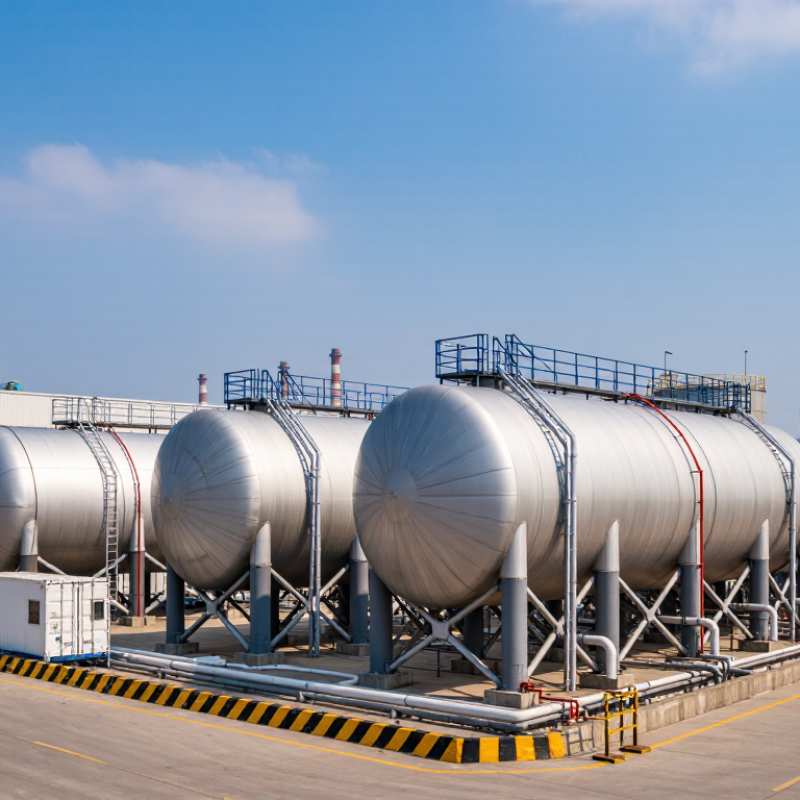
For global buyers comparing oil tank suppliers, tank design matters as much as quoted price. Fixed-roof tanks remain practical for stable, lower-volatility liquids. They use a simple roof and usually require vapor-control equipment. Their lower construction cost can suit large industrial sites. However, heat and vapor pressure may increase maintenance demands.
Floating-roof tanks reduce vapor space above the stored liquid. The roof moves with the level, like a steel platform following the surface. This design can limit emissions and product loss. Its seals need regular inspection, especially after temperature changes or heavy rain. A damaged seal can quietly create a serious efficiency problem. The choice is rarely neat.
Double-wall tanks add an inner shell and an outer containment layer. Leak-detection sensors can identify liquid between the walls. This arrangement provides stronger protection where soil or groundwater risks are significant. It also needs more steel, more space, and disciplined installation. Buyers should request material certificates, welding records, inspection plans, and commissioning procedures from each supplier. Local fire, environmental, and structural requirements must guide the final specification. A spreadsheet comparison can miss access for maintenance, drainage conditions, and emergency response routes. That is where careful site experience matters. Sometimes, the cheapest tank becomes the most expensive decision.
Global oil tank procurement depends on more than quoted price. This ranking compares ten leading suppliers by fabrication capacity, certifications, and international reach. Capacity refers to documented annual output, not simply factory size. That distinction matters.
The highest-ranked suppliers operate large fabrication yards with automated welding lines, heavy lifting equipment, and dedicated inspection teams. Their projects commonly include fixed-roof tanks, floating-roof tanks, and modular storage systems. Suppliers near the top usually maintain ISO 9001 quality systems and provide vessels designed to applicable API or ASME requirements. Some also hold regional approvals for pressure equipment, environmental controls, and hazardous-area installations.
Reach separates the strongest global suppliers. Several maintain engineering offices, service partners, and spare-parts channels across Asia, Europe, the Middle East, Africa, and the Americas. This can shorten response times when a tank arrives with damaged seals or coating defects. Experience matters here. A supplier that has delivered tanks through congested ports may manage export packing better than a larger but less experienced competitor.
Still, rankings can mislead. Reported capacity may combine multiple facilities, subcontracted work, or different product categories. Certification documents also require careful review; an expired certificate changes the evaluation quickly. Buyers should verify recent project references, weld inspection records, coating specifications, and local installation support. The most impressive spreadsheet is not always the safest choice. That is worth remembering.
When comparing the top ten oil tank suppliers, buyers should measure usable volume, not advertised capacity. A 100,000-m³ tank may lose space because of safety margins, internal fittings, and operating limits. Request certified drawings, material specifications, inspection records, and loading data. A supplier with strong engineering experience should explain settlement control, corrosion protection, and emergency access clearly. Ask for references from facilities with similar storage volume. Numbers alone are not enough.
Lead time deserves careful attention. Confirm design approval, material availability, fabrication stages, transport planning, and site installation dates. A short promise may hide delays after contract signing. Compare the full lifecycle cost, including foundation work, coating renewal, inspections, energy use, repairs, and eventual replacement. The cheapest quotation can become expensive after ten years. I have seen buyers focus too heavily on purchase price. That choice often needs rethinking.
Tips: Use one evaluation sheet for every supplier. Record usable capacity, delivery milestones, warranty coverage, inspection duties, and estimated maintenance costs. Ask suppliers to price realistic changes, such as thicker corrosion allowance or additional monitoring points. Visit a completed facility when possible. Photographs help, but they cannot show every operational weakness. Also check how clearly the supplier documents assumptions, because unclear assumptions create costly disputes later.