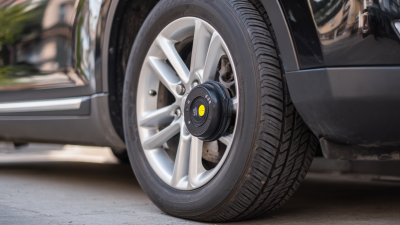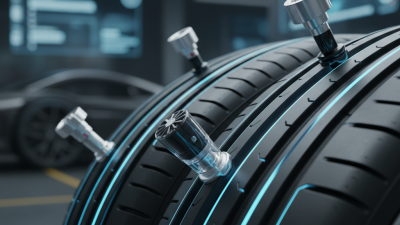
As we move towards 2025, the importance of effective TPMS service cannot be overstated. Tire Pressure Monitoring Systems (TPMS) play a crucial role in enhancing vehicle safety and fuel efficiency by providing essential information about tire pressures. However, the complexity of these systems requires consistent maintenance and timely service to ensure they function accurately. In this context, understanding the best practices for TPMS service is essential for both automotive professionals and vehicle owners.
With the advancements in technology, TPMS service is shifting towards more sophisticated methodologies. It is critical to stay updated on the latest tools and techniques that can help diagnose and rectify issues more efficiently. From regular sensor checks to software updates, recognizing the nuances of TPMS service can greatly affect vehicle performance. By equipping oneself with knowledge on these top tips for TPMS service, one can better prepare for the upcoming changes in the automotive landscape as we approach 2025. Thus, whether you're a technician aiming to enhance your skills or a vehicle owner seeking to prolong the life of your tires, embracing these insights will be invaluable for ensuring optimal vehicle safety and performance.
Tire Pressure Monitoring Systems (TPMS) have become an essential feature in modern vehicles, providing drivers with real-time information about their tire health. One of the key functions of TPMS is to monitor tire pressure, alerting drivers when tire inflation falls below optimal levels. This capability is crucial not just for safety, but also for enhancing fuel efficiency. Under-inflated tires can lead to increased rolling resistance, resulting in higher fuel consumption and greater carbon emissions.
In addition to tracking tire pressure, TPMS also plays a significant role in improving overall vehicle performance and safety. By maintaining optimal tire pressure, drivers can experience better handling and traction on the road, particularly in adverse weather conditions. Furthermore, the system can prevent tire blowouts and prolong tire lifespan by ensuring that tires are appropriately inflated, thus mitigating the risks of accidents. As we move towards 2025, understanding the key functions and benefits of TPMS will empower drivers to make informed decisions regarding their vehicle maintenance, leading to safer and more efficient driving experiences.
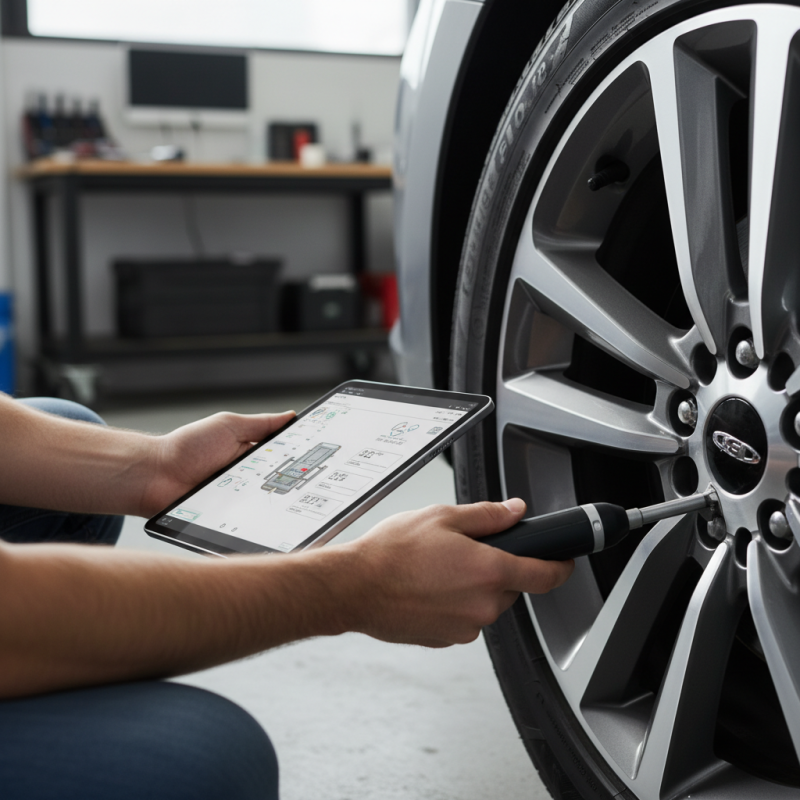
When it comes to effective Tire Pressure Monitoring System (TPMS) service in 2025, having the right tools and equipment is absolutely essential. One of the critical tools for any TPMS technician is a reliable TPMS scanner. This device allows for quick access to tire data and the ability to reset sensors easily. A good scanner should also be able to reprogram sensors, ensuring that new tires and sensors can be integrated seamlessly into the vehicle’s system.
In addition to a quality scanner, investing in proper tire inflators is vital. Accurate inflation instrumentation not only guarantees precise pressure readings but also aids in ensuring that tires are correctly inflated before any service is performed. It’s also beneficial to have a comprehensive set of TPMS diagnostic tools that allow for in-depth analysis and troubleshooting. This can help technicians identify issues such as signal interference or sensor failures, which can help reduce downtime and improve customer satisfaction.
Lastly, don’t overlook the importance of having a detailed TPMS guide on hand. This can serve as a valuable reference, detailing various sensor types, the procedures for servicing different vehicles, and troubleshooting common problems. By equipping yourself with these essential tools and knowledge, you’re setting the stage for delivering high-quality TPMS services this coming year.
Proper maintenance of
Tire Pressure Monitoring System (TPMS) sensors is
essential for ensuring safe and effective vehicle operation. The first step in inspecting these sensors
involves a visual examination of the tire valves and the TPMS sensor itself. Look for any signs of
damage or corrosion, which can affect sensor
functionality. Additionally, check for any dirt or debris accumulating around the sensor, as this can
interfere with its ability to transmit accurate pressure readings.
Next, use a specialized TPMS tool to scan
the sensors and confirm they are functioning correctly. This tool will provide you with data on the
tire pressures and alert you to any malfunctioning sensors. It’s also important to verify that the
sensor is properly paired with the vehicle’s onboard system. If any discrepancies arise,
recalibration or reprogramming may be required. A thorough inspection
not only prolongs the lifespan of TPMS sensors but also ensures optimal performance, enhancing safety
on the road. Regularly scheduled inspections are key to keeping your TPMS in peak condition.
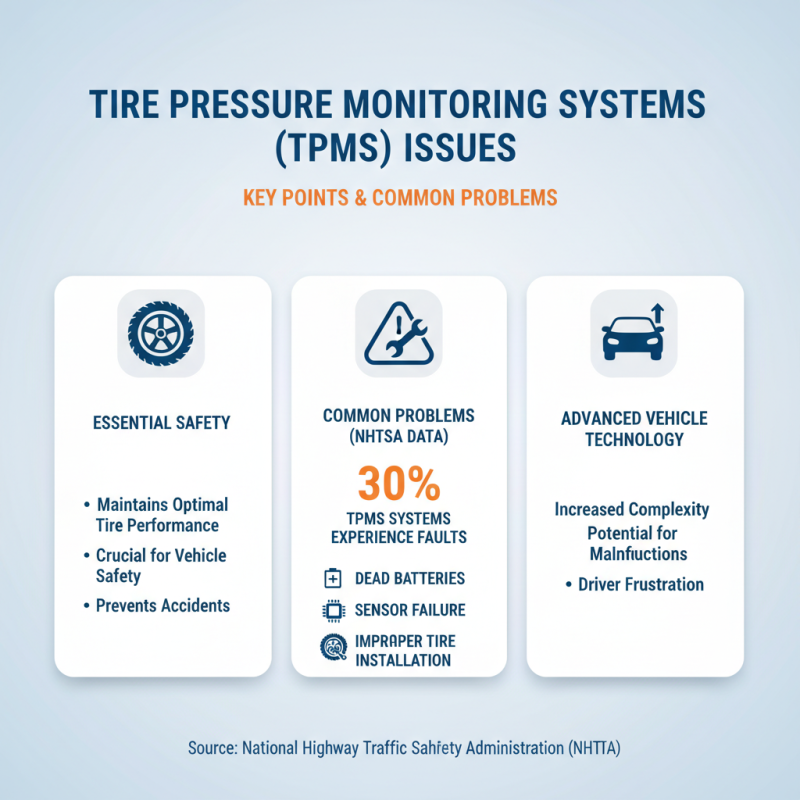
In recent years, Tire Pressure Monitoring Systems (TPMS) have become an essential component of vehicle safety, playing a crucial role in maintaining optimal tire performance. However, as vehicle technology continues to advance, issues with TPMS can arise, leading to frustration among drivers. According to a report from the National Highway Traffic Safety Administration (NHTSA), approximately 30% of TPMS systems in vehicles experience faults, which can often be attributed to sensor failure, dead batteries, or improper tire installation.
One common issue with TPMS is sensor malfunction. This typically occurs due to battery depletion, as most TPMS sensors have a limited lifespan of 5 to 10 years. Additionally, sensors can be damaged during tire replacement or due to harsh weather conditions. A 2022 study from the Tire Industry Association found that 15% of drivers reported receiving false reading alerts, underscoring the need for accurate diagnostics and regular maintenance. To resolve these issues, it is advisable to schedule routine inspections and replace sensors proactively to ensure the system operates correctly.
Another prevalent problem involves the reprogramming of sensors after tire service. When tires are rotated or replaced, the TPMS may require recalibration to sync with the vehicle's onboard computer. Industry data shows that nearly one in four tires serviced fails to be properly recalibrated, leading to potential safety risks. Technicians must be equipped with the right tools to ensure that TPMS systems are accurately reset and functioning before the vehicle is returned to the driver. Regular training and awareness of TPMS technology are imperative for automotive professionals to minimize the recurrence of these issues and enhance driver safety.
As we look toward 2025, maintaining the Tire Pressure Monitoring System (TPMS) will become increasingly crucial for vehicle safety and efficiency. One of the best practices for TPMS maintenance is regular sensor checks. Over time, sensors can lose calibration or experience battery depletion, which may lead to inaccurate readings. Scheduling routine diagnostics can help identify any issues early on, ensuring that the TPMS functions optimally and helps prevent tire-related accidents or inefficiencies.
In addition to regular checks, staying informed about advancements in TPMS technology is essential. As the automotive industry evolves, new features and capabilities are constantly being introduced. Understanding these developments can allow vehicle owners and service technicians to implement more effective maintenance strategies. Moreover, proper training in TPMS service techniques will enhance technicians' skills, ensuring they can address potential problems efficiently and provide the highest level of service to customers. Emphasizing education and proactive maintenance can significantly extend the life of the TPMS and improve overall vehicle performance in the coming years.