Top 5 Tire Sensors You Need for Optimal Vehicle Performance?
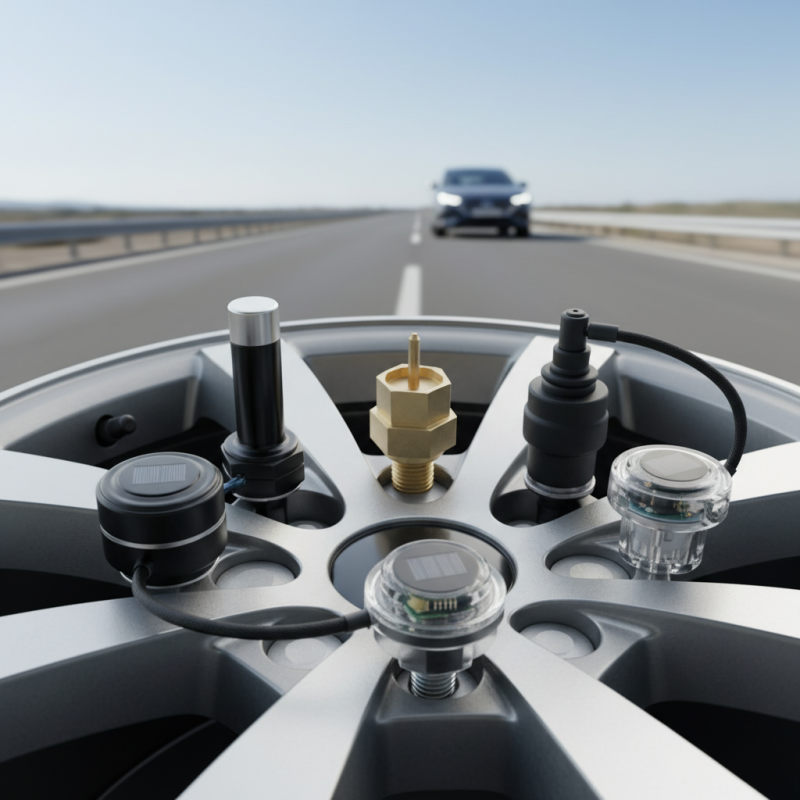
Tire sensors play a crucial role in enhancing vehicle performance. They monitor tire pressure, temperature, and overall health. Accurate data from these sensors helps prevent issues like blowouts and uneven wear.
Incorporating the right tire sensors can significantly improve safety and fuel efficiency. Modern vehicles rely on advanced technologies to maintain optimum performance. However, many drivers overlook the importance of these gadgets. A lack of awareness can lead to dire consequences.
Understanding your options is essential. Some sensors offer more features and reliability than others. By selecting the right tire sensors, you ensure a smoother and safer driving experience. It’s worth considering the impact on both performance and budget.
Top 5 Tire Sensors Essential for Enhanced Vehicle Performance
Tire sensors play a critical role in maintaining optimal vehicle performance. These devices monitor tire pressure, temperature, and overall health. According to the National Highway Traffic Safety Administration, under-inflated tires can reduce fuel efficiency by 3%. Regular use of tire sensors can prevent this loss.
Reliable tire sensors provide real-time data. This helps drivers respond to issues quickly. A report from the Tire Industry Association found that proper tire maintenance could improve safety and extend tire life by up to 30%. The data shows how impactful these sensors can be for both performance and safety.
However, not all sensors are created equal. Some may not provide accurate readings, leading to improper tire management. It’s crucial to choose high-quality options. Regularly checking the sensor's battery life and functionality can reduce the risk of failure. Investing time in these inspections pays off in the long run, enhancing vehicle performance.
Top 5 Tire Sensors Essential for Enhanced Vehicle Performance
| Sensor Type |
Key Features |
Benefits |
Price Range |
| Direct TPMS |
Real-time pressure monitoring, built-in sensors |
Accurate readings, immediate alerts |
$50 - $150 |
| Indirect TPMS |
Utilizes wheel speed sensors |
Cost-effective, easier to maintain |
$30 - $100 |
| Bluetooth TPMS |
Syncs with mobile apps, customizable alerts |
User-friendly, data logging |
$60 - $120 |
| Smart Tire Sensors |
Advanced tracking for temperature and pressure |
Enhanced safety, predictive maintenance |
$100 - $200 |
| Tire Pressure Monitoring System (TPMS) Kits |
Complete sets for DIY installation |
Convenient and cost-saving |
$40 - $80 |
Understanding the Importance of Tire Pressure Monitoring Systems (TPMS)
Tire Pressure Monitoring Systems (TPMS) play a crucial role in vehicle performance. They monitor tire pressure in real-time, ensuring each tire maintains optimal inflation. Properly inflated tires improve fuel efficiency and enhance handling. Under-inflated tires can cause uneven wear and decrease safety. A report suggests that 30% of drivers neglect tire pressure checks. This oversight can lead to preventable accidents.
Regular maintenance is needed for TPMS to function correctly. A malfunctioning sensor may provide false readings. This could mislead drivers about tire health. Drivers should be aware of warning lights on their dashboards. Ignoring these alerts can have severe consequences. Tire pressure can change with temperature fluctuations and seasonal shifts. Regular checks are essential, especially in extreme weather conditions.
Educating drivers about TPMS benefits is vital. Understanding how these systems work can lead to safer driving practices. Awareness of tire health improves road safety for everyone. Investing in high-quality sensors can provide peace of mind. Ultimately, maintaining tire pressure is both a personal and a social responsibility. It is an easy step toward better vehicle performance and safety.
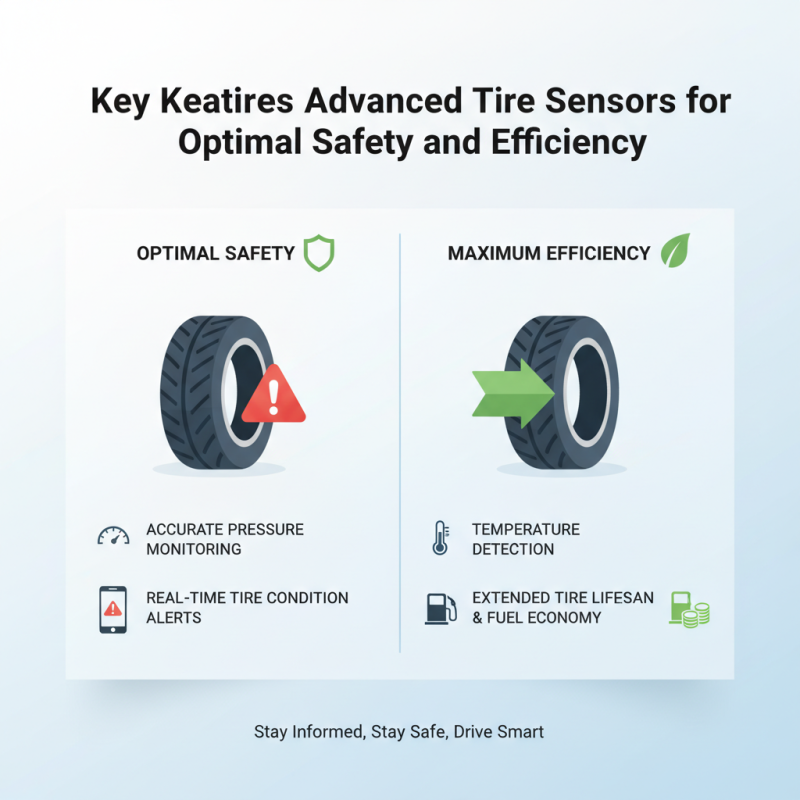
Key Features of Advanced Tire Sensors for Optimal Safety and Efficiency
Tire sensors are essential for maintaining optimal vehicle performance. Advanced technology in these sensors ensures safety and efficiency. Key features of modern tire sensors include accurate pressure monitoring and temperature detection. These features help drivers stay informed about tire conditions in real-time.
Helpful Tip: Regularly check your tire sensor's battery life. An unexpected battery failure can lead to inaccurate readings.
Another significant aspect of advanced tire sensors is their durability. They are designed to withstand varying environmental conditions. For example, some sensors are built to resist moisture, dust, and extreme temperatures. This durability contributes to their reliability over time.
Helpful Tip: If your dashboard warning light is triggered, act promptly. Delaying can lead to reduced tire performance and increased wear.
Investing in high-quality tire sensors can enhance your overall driving experience. They not only improve safety but also optimize fuel efficiency. By being aware of crucial tire data, drivers can make better decisions behind the wheel.
Impact of Tire Temperature and Pressure on Fuel Economy and Handling
Tire temperature and pressure play crucial roles in vehicle performance. A slight deviation can significantly affect fuel economy.
For instance, the US Department of Energy suggests that under-inflated tires can reduce fuel efficiency by up to 3%. This means that maintaining the correct tire pressure can save a driver substantial costs over time.
Moreover, tire temperature has a direct impact on handling. As tires heat up during driving, their compound properties change. An optimal temperature range ensures better grip and stability. According to data from the Tire Industry Association, maintaining tire temperature within recommended limits enhances handling by up to 30%. However, many motorists overlook this, leading to poor performance and safety issues.
Regular monitoring of tire pressure and temperature is essential but often neglected. Drivers should consider using advanced tire sensors. They offer real-time data and can alert drivers about unsafe conditions. While these systems can be an investment, the long-term benefits, including improved safety and reduced wear on tires, often justify the cost. It's vital to engage with reliable tools for the best outcomes on the road.
Comparative Analysis of Leading Tire Sensor Brands in the Market
In the realm of tire sensors, a comparative analysis reveals key insights into their efficiency and reliability. Various studies indicate that tire pressure management can improve fuel efficiency by 3-5%. Accurate readings from sensors can prevent common issues such as tire blowouts. This emphasizes the significance of choosing top-tier brands.
Market research shows that not all sensors are created equal. Some leading brands boast a reliability rating of over 90%. However, certain sensors may lack longevity. Reports suggest that devices with batteries can fail after just two years. Fleets relying on these sensors might experience increased costs due to frequent replacements. It is essential to weigh the long-term benefits against initial investment.
Moreover, user feedback frequently points out inconsistencies in sensor data. Some drivers report fluctuations in pressure readings. This indicates a need for consumers to consider compatibility with their vehicle systems. Maintaining optimal tire pressure is crucial not just for safety, but also for enhancing vehicle performance and extending tire life. Evaluating these variables can lead to more informed purchasing decisions.