Top 10 Tire Service Tips for Global Buyers to Save Money
When it comes to tire service, making informed decisions can save you significant money. Many global buyers overlook simple maintenance that can extend tire life. Regular check-ups are essential; they catch issues before they escalate. Understanding the basics of tire care is crucial for every driver.
Consider the cost-effectiveness of tire rotation. This simple step can prevent uneven wear, enhancing tire longevity. Many don’t realize how underinflation affects both performance and safety. By maintaining the correct air pressure, you not only improve fuel efficiency but also ensure a smoother ride.
Mistakes happen. Sometimes we skip necessary tire inspections, leading to costly repairs. Being proactive is key. Check tread depth regularly. If your tires show signs of wear, it's time for replacements. Trustworthy tire service shops offer expert advice to prevent future problems.
Understanding the Importance of Regular Tire Maintenance
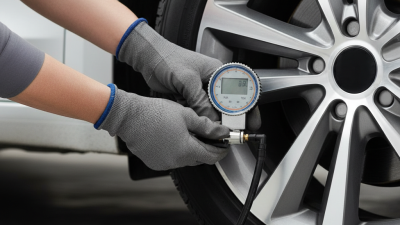
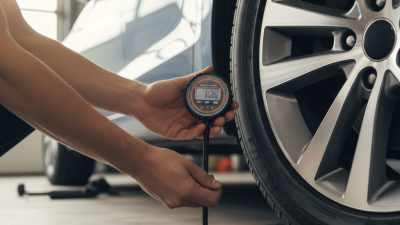
Regular tire maintenance is crucial for safe and economical driving. Tires are the only contact point between your vehicle and the road. Over time, neglecting them can lead to serious issues. Checking tire pressure monthly can prevent uneven wear and blowouts. It’s a simple task that requires just a pressure gauge and a few minutes of your time.
Tread depth is another key factor to monitor. Worn tires can compromise traction, especially in wet conditions. Use the penny test: insert a penny into the tread. If you see all of Lincoln’s head, it’s time for a replacement. Rotation and alignment also play important roles in prolonging tire life. These services should be part of your routine maintenance every 5,000 to 7,500 miles.
While tire maintenance may seem like a hassle, consider the costs of negligence. Emergency repairs and accidents can be far more expensive. Regular checks and timely replacements can ultimately save you money. Don’t wait for problems to manifest; take proactive steps to ensure your tires remain in top shape.
Identifying Signs of Tire Wear and When to Replace Tires
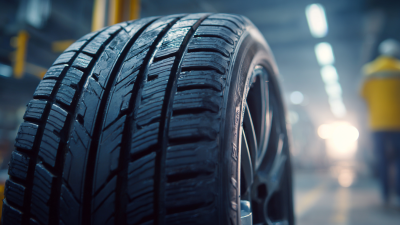
When it comes to tire care, identifying signs of tire wear is crucial. Your tires are the only contact between your vehicle and the road. Over time, they wear down from regular use. Drivers should look for uneven tire wear, which can indicate alignment issues. Check for cracks and bulges as well. These signs suggest it's time for a replacement.
To extend tire life, rotate your tires regularly. This practice ensures even wear across all tires. Generally, rotating every 5,000 to 7,500 miles is recommended. Keeping your tires properly inflated is another vital tip. Underinflated tires can lead to faster wear. Check tire pressure monthly, especially before long trips.
Pay attention to tread depth. Tires should have at least 2/32 of an inch of tread to maintain grip. A simple penny test can help. Insert a penny into the tread grooves. If you can see all of Lincoln’s head, it's time for new tires. Regular inspection and maintenance can save significant money in the long run. While many drivers overlook this, it pays off to stay proactive.
Exploring Cost-Effective Tire Service Options and Providers
Tire service options can vary widely across the globe. Many buyers are surprised to find that local providers often offer different pricing and service levels. Researching these options thoroughly can lead to significant savings. A good starting point is to compare labor costs, material prices, and service packages. Knowing common local prices allows for better negotiation.
Consider seeking out independent tire shops. They often provide more personalized service at a lower cost than larger chains. Many small businesses take pride in their customer relationships. This can lead to better deals and tailored recommendations. However, buyers should be aware that choosing a cheaper service doesn’t always equate to better quality. It’s essential to read reviews and ask for recommendations.
Moreover, sustainability is becoming a vital factor in tire services. Many providers now offer eco-friendly disposal options for used tires. This not only conserves the environment but might also come at a lower cost. Customers may find that investing a little more initially in sustainable practices can lead to long-term savings. It’s ideal to weigh these factors carefully, as some may not meet the expected standards.
Top 10 Tire Service Tips for Global Buyers to Save Money - Exploring Cost-Effective Tire Service Options and Providers
| Tip Number |
Tire Service Tip |
Cost-Saving Strategy |
Recommended Service Frequency |
| 1 |
Regular Tire Rotation |
Promotes even wear |
Every 5,000 – 7,500 miles |
| 2 |
Check Tire Pressure Monthly |
Improves fuel efficiency |
Monthly |
| 3 |
Inspect Tread Depth |
Ensures safety and performance |
Every 6 months |
| 4 |
Avoiding Overloading |
Reduces tire wear and tear |
Always |
| 5 |
Use Quality Tires |
Longer lifetime, better performance |
As needed |
| 6 |
Proper Alignment and Balancing |
Prevents uneven wear |
Every 6 months |
| 7 |
Timely Repairs |
Fixing small issues before they escalate |
As needed |
| 8 |
Avoid Hard Acceleration and Braking |
Increases tire longevity |
Always |
| 9 |
Consult Professionals for Advice |
Access expert recommendations |
As needed |
| 10 |
Utilize Discounts and Promotions |
Saves money on services |
As available |
Tips for Seasonal Tire Changes and Storage Solutions
Seasonal tire changes are essential for maximizing safety and performance.
Winter tires provide better grip on icy roads, while summer tires excel in heat. It's advisable to rotate your tires every 5,000 to 7,500 miles. This helps ensure even wear, extending their lifespan. Skipping rotations can lead to premature wear and increased costs.
Proper storage solutions can further protect your investment. Clean your tires before storing them to prevent decay from dirt and grime. Place them in a cool, dry space away from sunlight. If stacking, avoid putting too much weight on them. Consider using tire covers for added protection.
Neglecting these details may lead to deterioration and higher expenses in the long run.
When considering seasonal changes, timing is crucial. Transitioning too late can compromise safety. On the flip side, changing them too early might affect your budget. Balancing these needs is vital. Regularly checking tire pressure can also help maintain efficiency.
Well-maintained tires ensure better fuel economy and safer driving.
Maximizing Tire Lifespan through Proper Inflation and Rotation Practices
Proper tire inflation is critical for maximizing tire lifespan. According to the U.S. Department of Energy, under-inflated tires can decrease fuel efficiency by 0.2% for every 1 PSI below the recommended level. This means that not only do you risk premature wear, but your wallet also suffers. Driving with improperly inflated tires can lead to uneven tread wear, and you may need to replace them sooner than expected. Regularly checking tire pressure is a simple yet effective practice that every driver should adopt.
Tire rotation plays an equally significant role in extending tire longevity. The Tire Industry Association suggests rotating tires every 5,000 to 8,000 miles to ensure even wear. Neglecting this can result in tires wearing out more quickly on one side. This maintenance step is often overlooked. Many drivers mistakenly believe that all tires wear uniformly. In reality, front tires generally bear more weight, especially in front-wheel-drive vehicles. If not rotated, you might find yourself needing new tires much sooner than anticipated.
Regular inspections can uncover issues like misalignment or damaged suspension components. Addressing these problems early can prevent further damage and save money in the long run. Effective tire care is about more than just checking the pressure and rotating; it involves understanding your vehicle's specific needs. Missing these essential steps could lead to costly mistakes. Embracing a proactive approach can greatly enhance safety and performance on the road.