Top 5 Tire Valve Sensors You Should Consider for Optimal Performance
In the realm of automotive technology, ensuring optimal vehicle performance is increasingly reliant on advanced components that enhance both safety and efficiency. One crucial element that has gained prominence is the tire valve sensor. Designed to monitor tire pressure and temperature, these sensors play a pivotal role in providing real-time data essential for maintaining proper tire health. As we delve into the world of tire valve sensors, it becomes clear that selecting the right type can significantly impact your vehicle's performance and longevity.
With various options available, it can be overwhelming to determine which tire valve sensor best meets your needs. This article will explore the top five tire valve sensors that stand out for their reliability, accuracy, and user-friendly features. By closely examining these products, we aim to equip drivers with the knowledge necessary to make informed decisions when it comes to enhancing their driving experience through the effective use of tire valve sensors. Whether you're a performance enthusiast or simply seeking to prolong the life of your tires, understanding the capabilities of these sensors is essential for achieving optimal vehicle performance.
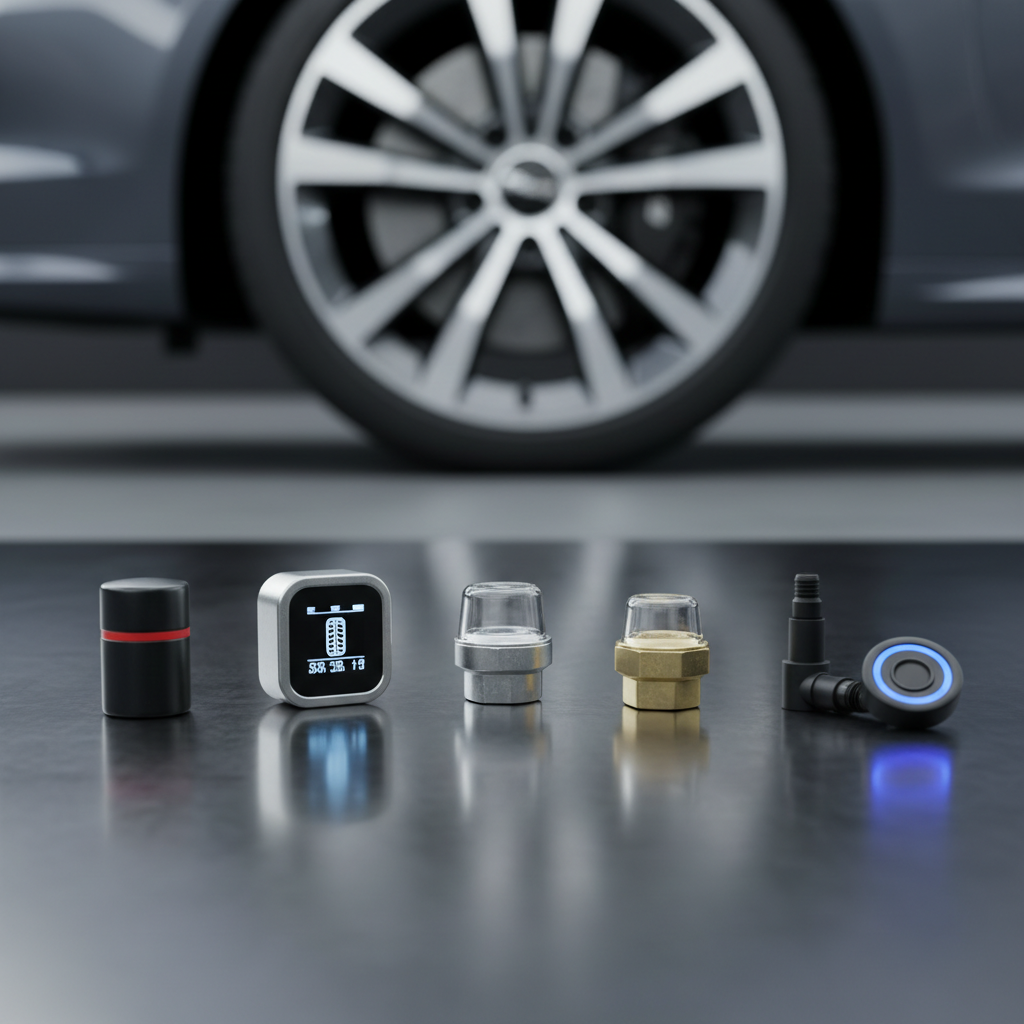
Essential Features of Tire Valve Sensors for 2025
When considering tire valve sensors for optimal performance in 2025, several essential features stand out. First and foremost, accuracy is vital. Modern sensors should offer precise tire pressure readings to help avoid under-inflation or over-inflation, which can lead to increased tire wear and decreased fuel efficiency. It's also important to have real-time monitoring capabilities that notify the driver instantly about any pressure changes, ensuring prompt action when necessary.
Another crucial feature to look for is durability. Tire valve sensors must withstand varying weather conditions, road debris, and potential punctures. A robust design will ensure longevity and reliability, reducing the likelihood of failures that can compromise vehicle safety. Furthermore, compatibility with smartphone applications is becoming increasingly important, as it allows for convenient access to tire data directly from your mobile device.
**Tips:** When selecting a tire valve sensor, opt for models with dual-band frequency capabilities for better signal transmission. Additionally, check for easy installation options, as choosing sensors that can be installed without specialized tools will save you time and effort. Lastly, consider products with advanced battery life indicators, so you’ll never be caught unaware by a depleted sensor battery while on the road.
Top 5 Tire Valve Sensors You Should Consider for Optimal Performance
| Sensor Model |
Compatibility |
Battery Life |
Pressure Range |
Temperature Range |
Price ($) |
| Model A |
Universal |
5 years |
10-50 PSI |
-20°C to 85°C |
39.99 |
| Model B |
Specific Vehicles |
4 years |
15-45 PSI |
-10°C to 70°C |
49.99 |
| Model C |
All Brands |
6 years |
20-60 PSI |
-30°C to 90°C |
44.99 |
| Model D |
Sports Vehicles |
3 years |
25-55 PSI |
-10°C to 80°C |
59.99 |
| Model E |
Luxury Cars |
7 years |
30-70 PSI |
-20°C to 100°C |
69.99 |
Top Brands Leading the Tire Valve Sensor Market
In the evolving landscape of automotive technology, tire valve sensors play a crucial role in enhancing vehicle safety and performance. Several leading brands have distinguished themselves in the tire valve sensor market by offering innovative solutions that cater to both individual consumers and automotive manufacturers.
Companies like Schrader, Bosch, and Continental are at the forefront, consistently developing sensors that not only monitor tire pressure but also provide real-time data for improved decision-making.
Schrader, known for its pioneering work in tire pressure monitoring systems (TPMS), offers a range of durable and high-accuracy sensors designed to withstand harsh driving conditions.
Bosch, a household name in automotive technology, integrates advanced sensor technology with smart vehicle systems, ensuring seamless communication and enhanced safety features.
Meanwhile, Continental focuses on integrating tire valve sensors with vehicle dynamics systems, allowing for comprehensive data analysis that can lead to better fuel efficiency and tire longevity. Together, these brands represent the pinnacle of the tire valve sensor market, providing crucial tools for drivers who prioritize safety and optimal performance on the road.
Comparative Analysis of Digital Versus Analog Valve Sensors
When it comes to tire valve sensors, choosing between digital and analog options can significantly impact overall performance. Digital valve sensors are known for their accuracy and real-time monitoring capabilities. They provide immediate feedback and often come equipped with advanced features like pressure alerts and temperature readings. This level of precision makes them a popular choice among performance enthusiasts who prioritize safety and efficiency.
On the other hand, analog valve sensors, while less complex, still offer reliable functionality for standard vehicle maintenance. They typically come at a lower cost and are easier to install, making them suitable for everyday drivers who want a straightforward solution. Their simplicity often translates to durability, resisting the wear and tear that may affect more complex electronic components.
**Tips:** When selecting valve sensors, consider your vehicle's usage and your performance goals. If you frequently drive under high-performance conditions, digital sensors can provide the insight you need for proactive maintenance. Conversely, if you mainly use your vehicle for daily commutes, analog sensors might suffice, ensuring you maintain adequate pressure without the bells and whistles. Always ensure that the selected sensors are compatible with your vehicle's existing systems for the best performance.
Comparison of Digital and Analog Tire Valve Sensors
Key Technologies Enhancing Tire Valve Sensor Performance

Tire valve sensors have become an essential component in modern vehicle safety and performance. Key technologies enhancing their effectiveness include advanced pressure monitoring algorithms and wireless communication systems. By employing sophisticated algorithms, these sensors can accurately detect fluctuations in tire pressure and temperature, ensuring that drivers receive real-time data. This not only helps in preventing blowouts and extending tire life but also contributes to improved fuel efficiency.
Another significant advancement is the integration of Bluetooth and other wireless technologies that allow for seamless connectivity between the tire sensors and the vehicle’s onboard systems or smartphone apps. This connectivity provides drivers with instant access to tire health information, empowering them to take action before potential issues escalate. Moreover, the development of low-energy sensors leads to longer battery life, minimizing maintenance needs and ensuring consistent performance. These innovations in tire valve sensor technology are crucial for enhancing the overall driving experience, optimizing vehicle performance, and promoting road safety.
User Feedback: Real-World Experiences with Tire Valve Sensors
When considering tire valve sensors for optimal performance, user feedback provides invaluable insights into real-world experiences. Many drivers have reported a significant improvement in their vehicles' overall safety and fuel efficiency after installing high-quality tire valve sensors. These sensors continuously monitor tire pressure, alerting users to any pressure drops, which can prevent blowouts and extend tire life. For instance, one user mentioned that since installing a specific brand of sensors, they have not experienced any unexpected flat tires during long trips, highlighting the importance of monitoring tire health.
Additionally, users have shared their experiences regarding the installation and usability of various tire valve sensors. Many appreciated sensors that offered easy installation processes, with some models requiring no tools at all. Feedback often emphasizes the convenience of having a mobile app that displays real-time tire pressure data and alerts directly to smartphones. Such features not only keep drivers informed but also foster proactive maintenance habits. Overall, user experiences suggest that tire valve sensors are a worthwhile investment for enhancing road safety and driving performance.