
2026 Top TPMS Sensors for Global Buyers?
Choosing the right tpms sensors in 2026 requires more than comparing prices or package quantities. Global buyers must examine vehicle compatibility, communication frequency, valve design, battery life, and installation requirements. A sensor that works perfectly on one fleet may fail on another.
This guide explores leading TPMS sensor options for passenger cars, commercial vehicles, distributors, and professional repair shops. It considers programmable and pre-programmed models, OEM replacement units, aftermarket alternatives, and multi-brand coverage. Practical details matter. For example, a cold warehouse, a crowded workshop, or a long-distance delivery route can expose weaknesses that product pages often overlook.
Reliable sourcing also depends on supplier transparency. Buyers should request fitment data, testing records, warranty terms, and clear information about regional requirements. Certifications and frequency approvals may vary by market. Always verify them locally. Even strong products can create problems when catalog data is outdated or programming tools are incompatible.
This review aims to balance technical performance with purchasing reality. Some rankings may change as vehicle platforms and software systems evolve. That uncertainty deserves attention. We compare sensor accuracy, durability, serviceability, and total ownership cost rather than relying on marketing claims alone. The best choice is not always the cheapest sensor. It is the one that communicates consistently, installs efficiently, and remains supportable across its intended market.
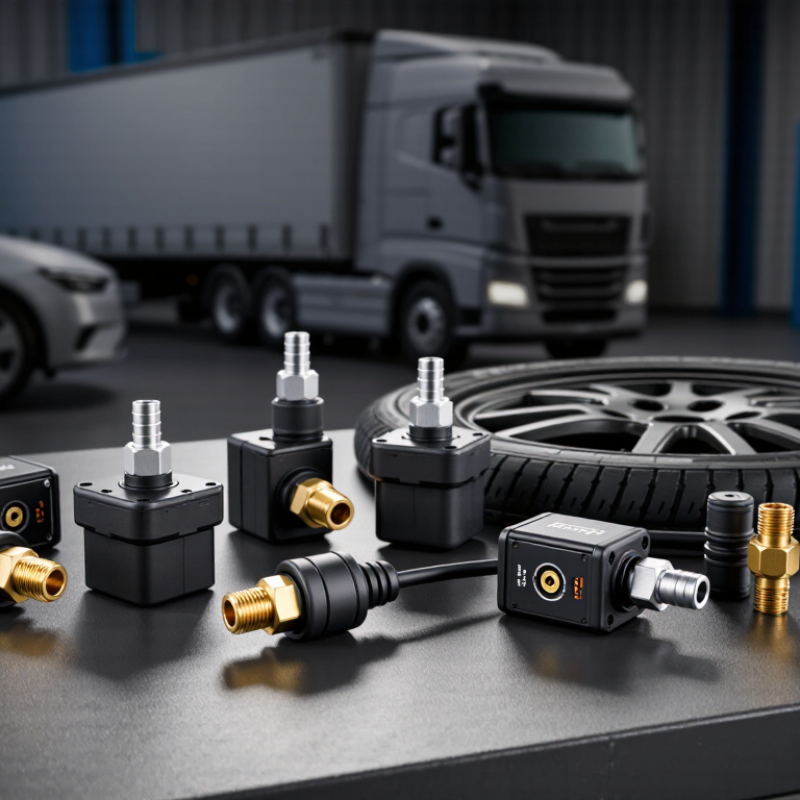
What TPMS Sensors Are and Why They Matter in 2026
TPMS sensors measure tire pressure and send readings to the vehicle’s dashboard. Direct systems use a small pressure sensor inside each wheel. Indirect systems estimate pressure through wheel-speed changes. The difference matters during replacement, because pairing and relearning procedures are not always identical.
Underinflation is more than a warning light. It can increase heat, braking distance, and uneven tread wear. NHTSA’s Tire Pressure Monitoring System Final Rule estimated that TPMS could prevent about 8,500 crashes and save 660 lives annually in the United States. Grand View Research projects the automotive TPMS market will grow at roughly 10% annually through 2030. Growth is practical, not merely fashionable.
A careful 2026 buyer should check frequency compatibility, valve design, temperature range, battery life, and regional certification requirements. A sensor may fit the wheel but still fail communication tests. That mistake is common. Cold mornings also lower pressure readings, while damaged valve stems can cause slow leaks. In workshop practice, installation quality often matters as much as sensor specifications. The sensor is not magic. Vehicle software, tire condition, and technician training still influence safety. Global buyers should request test records, calibration details, and clear replacement procedures before ordering large quantities. Specification sheets alone can look convincing, yet they may hide coverage gaps or unsupported vehicle models.
2026 Top TPMS Sensors for Global Buyers? - What TPMS Sensors Are and Why They Matter in 2026
| TPMS Sensor Type | How It Works | Main Data Provided | Typical Power Source | Common Frequency Considerations | Key Advantages | Important Limitations | Best Buyer Check in 2026 |
|---|---|---|---|---|---|---|---|
| Direct TPMS | A pressure sensor is installed inside each wheel and measures tire pressure directly. | Individual tire pressure; many systems also report tire temperature, sensor status, and battery condition. | Normally a sealed internal battery; service life is commonly about 5–10 years, depending on use and design. | Radio frequency must match the vehicle market and receiver. 315 MHz and 433/434 MHz systems are widely used in different regions. | Accurate pressure readings, fast warnings, and compatibility with vehicles designed for direct monitoring. | Tire removal is usually required for installation; sensor relearning may be necessary after replacement or rotation. | Confirm vehicle application, frequency, valve fitment, protocol, relearn method, pressure range, and battery warranty. |
| Indirect TPMS | The vehicle uses wheel-speed and other existing ABS-related signals to identify changes in tire rolling behavior. | A low-pressure warning calculated from wheel-speed differences; it generally does not measure pressure in each tire. | No dedicated in-wheel TPMS battery is required. | No separate in-wheel TPMS radio frequency is normally involved, although the vehicle control system still requires correct calibration. | Lower hardware cost, no sensor battery replacement, and no in-wheel sensor installation. | It may not show actual pressure or temperature and can require recalibration after tire inflation, rotation, or replacement. | Verify whether the vehicle uses indirect monitoring before purchasing replacement in-wheel sensors. |
| Clamp-In Direct Sensor | The sensor body is secured to the wheel with a metal valve stem passing through the rim. | Direct pressure data and, depending on the design, temperature and battery-status information. | Sealed internal battery, typically designed for multi-year service. | The transmitter frequency and communication protocol must correspond to the target vehicle. | Strong mechanical retention and suitability for many alloy-wheel applications. | Incorrect stem angle, hole diameter, or torque can cause leakage or fitment problems. | Check rim-hole size, stem angle, sealing washers, tightening torque, and compatibility with the wheel material. |
| Snap-In Direct Sensor | A rubber valve stem is pulled through the wheel hole and locks the sensor into position. | Direct tire pressure; temperature and diagnostic data depend on the sensor specification. | Sealed internal battery, commonly with a multi-year service period. | Use the frequency and protocol specified for the vehicle's destination market. | Generally simple to install and widely used with compatible wheels. | The rubber valve and sealing components are wear items and should be inspected whenever the tire is serviced. | Confirm valve material, rubber compatibility, service-kit availability, and resistance to corrosion and road chemicals. |
| Universal Programmable Sensor | One sensor platform can be configured with vehicle-specific application data using a compatible diagnostic or programming tool. | Direct pressure data and other supported parameters after correct programming and vehicle relearn. | Usually a sealed internal battery with service life dependent on operating conditions and product design. | Programming capability does not remove the need to select the correct regional frequency and communication protocol. | Reduces inventory complexity and can support multiple vehicle applications. | Requires reliable programming equipment, current application coverage, and trained installation procedures. | Evaluate software coverage, update policy, programming time, tool compatibility, and technical support. |
| Commercial Vehicle TPMS Sensor | A heavy-duty direct sensor monitors tires on trucks, buses, trailers, or other commercial vehicles. | Pressure and often temperature for multiple wheel positions, including paired or trailer tires when supported. | Sealed battery or an application-specific powered design; service requirements vary by vehicle type. | Frequency, communication range, and receiver architecture must suit the fleet configuration and local market. | Supports fleet safety, tire maintenance, fuel-efficiency goals, and reduced downtime. | Higher operating demands, more wheel positions, and greater need for fleet-level configuration and monitoring. | Check maximum pressure rating, axle and trailer coverage, sensor durability, data range, and fleet software integration. |
Related Posts
-
Top TPMS Sensor Kits for Global Buyers
-

Top 10 Tire Monitor Sensors for Global Buyers in 2026?
-
10 Best Tire TPMS Sensors for Global Buyers?
-
Best Tire Air Pressure Tips for Optimal Performance
-
Why Choose the Best Tire Website for Global Sourcing Needs?
-
Top 10 Tire Pressure Monitoring Systems for Global Buyers?