Why Do You Need a TPMS Kit for Your Vehicle Maintenance?
A TPMS kit is essential for modern vehicle maintenance. According to the National Highway Traffic Safety Administration, under-inflated tires can lead to a significant increase in tire-related accidents. Maintaining proper tire pressure enhances safety and improves fuel efficiency. A well-functioning TPMS kit can help monitor tire pressure continuously.
Moreover, vehicles equipped with a TPMS kit often see a 0.4% increase in fuel economy. This small improvement can lead to substantial savings over time. However, many vehicle owners overlook these systems. They are unaware of the potential risks associated with ignoring tire pressure maintenance.
Investing in a TPMS kit can prevent tire blowouts and extend tire life. It is a proactive step toward ensuring vehicle safety and performance. Still, many question whether the investment is necessary. Reflecting on the benefits of a TPMS kit highlights its value in vehicle maintenance.
Understanding Tire Pressure Monitoring Systems (TPMS)
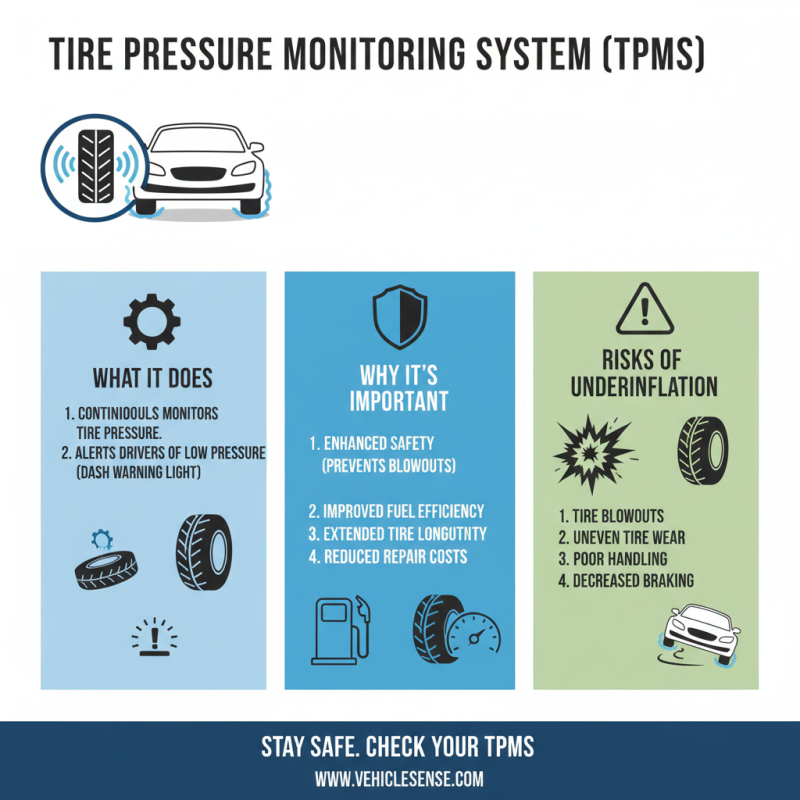
Tire Pressure Monitoring Systems (TPMS) are essential for vehicle safety. They continuously monitor tire pressure and alert drivers when pressure drops. Maintaining the correct tire pressure is crucial for safety, fuel efficiency, and tire longevity. When tires are not properly inflated, it can lead to blowouts or uneven wear, leading to expensive repairs.
TPMS kits come into play when addressing tire issues. These kits help in replacing faulty sensors or in adding new ones when needed. Installing a TPMS kit is often more straightforward than many expect. Having functional sensors can prevent accidents caused by under-inflated tires. Moreover, incorrect tire pressure can reduce fuel efficiency by up to 3%. This means more frequent trips to the gas station.
Over time, sensors can fail or batteries can deplete. It’s a common oversight to neglect them. Regular checks should be a part of vehicle maintenance. Ignoring these indicators can lead to dire consequences. Drivers might find themselves stranded with flat tires. It's an avoidable risk, and investing in a TPMS kit can provide peace of mind on every journey.
The Importance of Proper Tire Pressure in Vehicle Safety
Maintaining the correct tire pressure is crucial for vehicle safety. A study by the National Highway Traffic Safety Administration (NHTSA) indicates that improper tire pressure contributes to nearly 10% of all crashes. Driving on underinflated tires can reduce traction and increase stopping distances. This puts you and others at risk. Additionally, tires that are overinflated can lead to blowouts. The right pressure supports overall vehicle handling and maximizes tire lifespan.
Tips: Regularly check your tire pressure. Aim for once a month, or before long trips.
Tire pressure can fluctuate with changes in temperature. A drop of just 10 degrees can lead to a loss of 1 PSI. Many drivers forget to adjust tire pressure with the seasons. Ignoring this can lead to poor fuel economy. According to the U.S. Department of Energy, proper tire inflation can improve fuel efficiency by 3% to 4%.
Tips: Use a quality tire pressure gauge. Ensure it's accurate for reliable readings. Regularly monitor your tires for visible damage or wear. Neglecting these checks can lead to hidden dangers on the road.
Tire Pressure Monitoring System (TPMS) Importance
Maintaining proper tire pressure is crucial for vehicle safety. This chart shows the accident risk percentage for tires underinflated, ideal, and overinflated. Proper tire pressure significantly reduces the risk of accidents.
How a TPMS Kit Enhances Vehicle Maintenance Practices
Maintaining optimal tire pressure is crucial for vehicle safety and efficiency. A Tire Pressure Monitoring System (TPMS) kit plays a vital role in enhancing maintenance practices. According to the National Highway Traffic Safety Administration, proper tire inflation can improve fuel efficiency by up to 3.3%. This means that you can save money at the pump just by keeping your tires in check.
Incorporating a TPMS kit into your maintenance routine helps prevent overlooked tire issues. Studies show that under-inflated tires lead to increased wear and tear. Statistics indicate that about 30% of vehicles on the road have at least one tire under-inflated by 8 psi or more. This can significantly shorten tire lifespan and affect handling. With a TPMS kit, you receive real-time data, allowing you to address tire problems before they escalate.
Many vehicle owners underestimate how tire pressure affects overall performance. Regular checks using a TPMS can help mitigate accidents caused by tire blowouts. The functionality of these kits is vital; however, inconsistency in usage is a common issue. Some drivers ignore warning signals, leading to larger maintenance problems. It's essential to reflect on these habits and ensure consistent monitoring for better vehicle upkeep.
Key Features to Look for in a TPMS Kit
A Tire Pressure Monitoring System (TPMS) kit
is essential for vehicle maintenance.
It helps ensure optimal tire pressure, directly impacting safety and fuel efficiency.
An industry report indicates that properly inflated tires
can improve fuel economy by up to 3%.
This is a significant saving, especially with fluctuating gas prices.
When selecting a TPMS kit, consider a few key features. First, look for
real-time readings.
Systems that provide instant feedback help drivers adjust tire pressure quickly.
A study showed that 80% of drivers prefer kits that offer immediate alerts.
Another important feature is battery life. A good TPMS kit should have a battery lasting at least 5 years.
Frequent replacements are inconvenient and can lead to lapses in tire monitoring.
Not all products are created equal. Some kits may struggle with
signal strength, especially in certain vehicles.
This inconsistency can diminish reliability. In some cases, drivers reported that
sensor pressure discrepancies reached as high as
10 psi. Addressing this issue is crucial for maintaining optimal tire performance.
Maintaining Your TPMS: Tips for Long-lasting Performance
Maintaining your Tire Pressure Monitoring System (TPMS) is crucial for vehicle safety and efficiency. Regular checks can prevent costly repairs. According to the National Highway Traffic Safety Administration, under-inflated tires are a major cause of tire blowouts. This highlights the importance of a functioning TPMS.
To ensure long-lasting performance, start with routine inspections. Check sensor batteries every few years, as low battery levels can lead to malfunctioning alerts. Also, keep tires inflated to recommended levels. This simple step can enhance fuel efficiency by up to 3%. Additionally, dirt or debris can obstruct sensor functionality. Regular cleaning keeps sensors operational.
Be mindful of environmental factors. Extreme temperatures can affect sensor performance. For instance, cold weather can decrease battery life. Regularly monitor tire pressure, especially before long trips. Not paying attention here may lead to unexpected issues.
Maintain your TPMS for a reliable driving experience and better vehicle longevity.