What is a Tyre Valve and How Does It Work?
A tyre valve is a crucial component for any vehicle's wheel system. According to Dr. Emily Carter, an expert in automotive engineering, "A tyre valve is more than just a simple mechanism; it ensures proper air pressure." Understanding how a tyre valve functions can significantly impact vehicle safety and performance.
Typically, a tyre valve regulates air pressure within the tyre. It allows air to enter while preventing escape. A malfunctioning valve can lead to slow punctures or even blowouts. Recognizing these risks is essential for every driver. Regular checks can often be overlooked but are necessary for safety.
Some people overlook the importance of a tyre valve, thinking it is a minor part. In reality, it plays a vital role. Drivers need to reflect on their vehicle maintenance habits. Ignoring the condition of the tyre valve can lead to unnecessary hazards on the road. Understanding this component is not just technical; it could save lives.
What is a Tyre Valve?
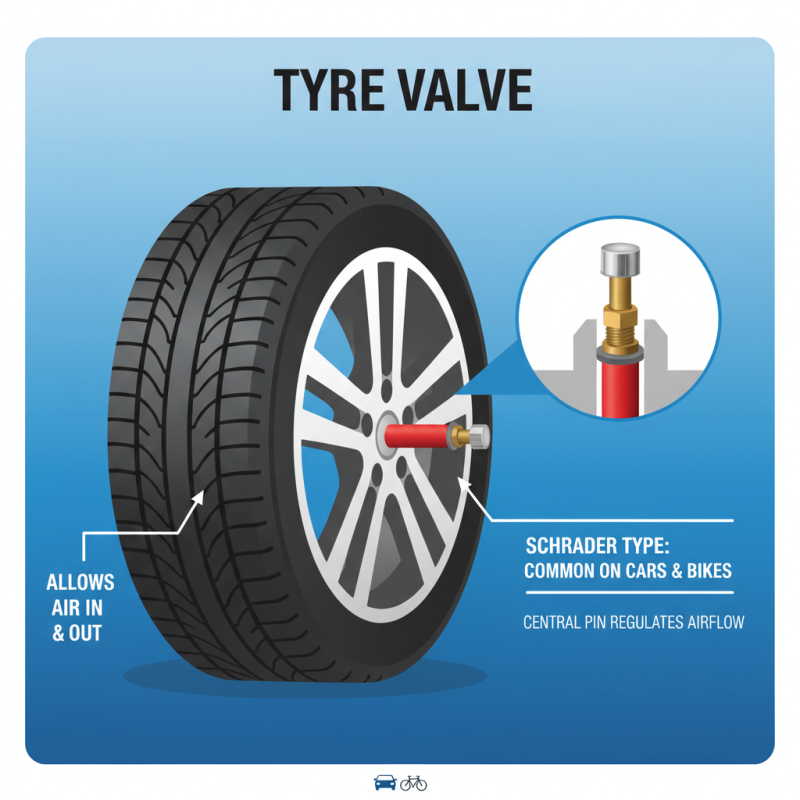
A tyre valve is an essential component of a vehicle's wheel. It serves a critical function by allowing air to enter or exit the tyre when needed. Tyre valves come in various shapes and sizes, with the Schrader valve being the most common. This valve is found on most cars and bicycles. It features a pin in the center that opens or closes the valve when pressed.
Maintaining your tyre valve is important for overall tyre health. A faulty valve can lead to air loss, reducing tyre performance. Check your valve regularly for signs of wear and tear. A cracked or damaged valve can cause slow leaks. Keep an eye on your tyre pressure to ensure proper inflation.
**Tip:** When inflating your tyres, ensure the valve stem is clean. Dirt can obstruct the valve and lead to air leaks.
Remember to replace any worn-out tyre valves during routine maintenance. Old valves can fail unexpectedly. It's best to address the issue early on to avoid complications later.
**Tip:** Always use a valve that is compatible with your tyre type. A mismatch can cause issues with inflation.
Tyre valves are small, yet they play a huge role in the safety and efficiency of your vehicle. A little attention goes a long way in ensuring they function properly.
Types of Tyre Valves and Their Applications
Tyre valves play a crucial role in maintaining proper tyre pressure. There are several types, each designed for specific applications. The most common types are Schrader and Presta valves. Schrader valves are used in most car tyres. Presta valves are often found in high-performance bicycles. Understanding these types can help users choose the right valve for their needs.
In the automotive industry, Schrader valves account for approximately 90% of the valve market, according to recent reports. Their robust design makes them ideal for heavy-duty applications. Conversely, Presta valves enable better airflow and are lighter. They are preferred for racing bikes. The choice between these types affects performance and safety.
Some users may overlook the importance of the right valve type. This oversight can lead to pressure loss or handling issues. The need for regular checks is often ignored. Pressure that is too low can cause uneven wear on tyres. Studies have shown that maintaining proper tyre pressure can improve fuel efficiency by up to 3%. Tyre valves, therefore, have a greater impact than many realize.
What is a Tyre Valve and How Does It Work? - Types of Tyre Valves and Their Applications
| Type of Tyre Valve |
Description |
Application |
Advantages |
| Schrader Valve |
A valve commonly used in cars, featuring a spring-loaded core. |
Passenger vehicles, bicycles |
Easy to inflate and check pressure, widely available. |
| Presta Valve |
A narrower valve typically found on high-performance bicycles. |
Road bicycles, racing bikes |
Lighter, holds pressure better for high-speed applications. |
| Dunlop Valve |
A valve often used in motorcycles and some bicycles. |
Motorcycles, certain bicycle types |
Strong sealing, good for high-pressure applications. |
| TPMS Valve |
A tire valve equipped with a Tire Pressure Monitoring System sensor. |
Modern vehicles |
Monitors tire pressure, improves safety and fuel efficiency. |
The Components of a Tyre Valve
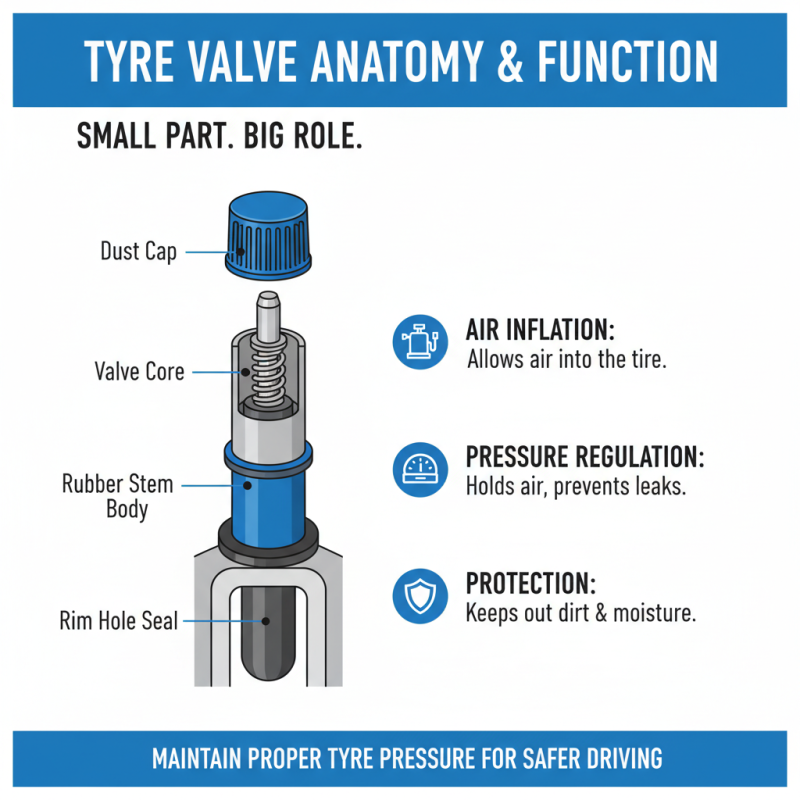
A tyre valve is a small yet vital component in a vehicle's tyre system. It plays a key role in maintaining proper air pressure. Understanding its parts helps to appreciate its function.
There are several components in a tyre valve. The core is essential; it houses the spring mechanism that keeps the valve sealed. This core opens when air is added. The valve stem, a tube-like structure, connects to the outer surface of the tyre. It is the part you see when you look at a tyre. The cap serves as a protector. It prevents dirt and debris from entering, which can cause leaks.
Sometimes, a valve can malfunction. If the seal is damaged, air will escape. Users must regularly check for leaks. Noticing a flat tyre may be too late. Inspecting the valve occasionally can prevent this issue. Simple actions can prolong the life of your tyres. Though many overlook these details, they are pivotal for safe driving.
How a Tyre Valve Works: Inflation and Deflation Process
A tyre valve is a crucial component that controls the inflation and deflation of a tyre. It allows air to be added or released as needed. The most common types are the Schrader and Presta valves. Each type has its specific use and design. A 2019 study indicated that improper valve maintenance could lead to a 20% drop in tyre performance. Such statistics highlight the importance of understanding how these valves function.
When inflating a tyre, the valve remains closed. The valve core has a spring mechanism that opens only when a valve tool is engaged. Upon releasing the tool, the core closes, trapping the air inside. Deflation works oppositely. By pressing the valve stem, air escapes, and the tyre pressure drops. Observations show that improper deflation can sometimes lead to uneven tyre wear. In fact, 30% of tyres were found to be under-inflated due to faulty valves during a 2021 industry survey.
Regular checks are essential to ensure valve integrity. A damaged or worn valve can lead to air loss. This situation could reduce fuel efficiency by approximately 3%. Moreover, valve issues can contribute to safety risks while driving. Awareness of these details can lead to better vehicle maintenance and improved safety on the road.
Common Issues and Maintenance Tips for Tyre Valves
Tyre valves play a crucial role in maintaining proper tyre pressure. However, they can face several common issues. A frequent problem is valve leakage. This can occur due to a worn-out seal or debris lodged inside the valve. Even minor leaks can cause tyres to lose air over time. Regularly checking for air loss can help catch these issues early.
Another issue to consider is valve damage. It might happen during tyre changes or due to road hazards. A cracked or bent valve can lead to air escaping quickly. This situation demands immediate attention. Ensuring that valves are in good condition is vital for safety.
Proper maintenance is key. Regular inspection is simple and effective. Look for signs of wear or damage during routine checks. Cleaning the valve area can prevent dirt from entering. If a problem arises, do not ignore it. Replacing a faulty valve is often easier than dealing with bigger tyre problems later. Remember, small upkeep can save you from bigger headaches.
Tyre Valve Common Issues and Maintenance Tips