
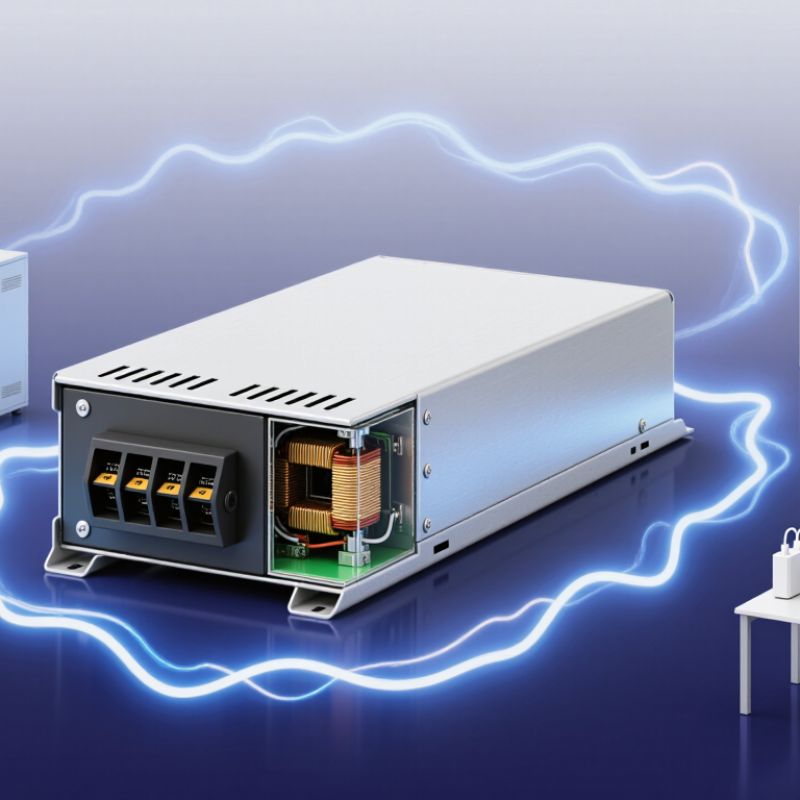
Choosing an SMPS power supply starts with the load, not the label on the enclosure. List each device’s required voltage and current, then calculate the combined demand. Leave a sensible margin for startup surges and future additions; a supply sized exactly to today’s steady load can become unreliable. Small details matter. Check the input-voltage range, too, especially if the unit will operate where mains supply varies.
Next, consider electrical quality and protection. Sensitive sensors or audio circuits may need low ripple and noise, while motors can draw brief inrush current. Compare the datasheet’s ripple limits, regulation, and overload behavior with the equipment requirements. Look for overvoltage, overcurrent, overtemperature, and short-circuit protection. Heat adds up. Efficiency reduces wasted power, but it does not remove the need for cooling.
Installation conditions can change the decision. A compact metal cabinet with little airflow may run warmer than an open test bench, so check derating curves at the expected ambient temperature. Confirm mounting space, connector style, and wiring access before ordering. Also verify that the unit’s safety approvals suit the intended market and application. I sometimes find this part less tidy than the calculations: real enclosures are crowded, and measured temperatures may differ from estimates. Test the supply under representative load, then review voltage, temperature, and noise before finalizing the design.