Why Is My Tire Monitor Sensor Not Working?
Why Is My Tire Monitor Sensor Not Working? This question often appears after a dashboard warning light stays on, flashes, or returns after a tire change. A faulty tire monitor sensor can affect pressure readings, warning accuracy, and driver confidence. The problem may involve a weak sensor battery, damaged valve stem, incorrect installation, or a sensor that needs relearning.
Kevin Rohlwing, a recognized tire-service training authority and former technical leader at the Tire Industry Association, has emphasized, “TPMS is a safety system, not a convenience feature.” That reminder matters. A tire monitor sensor does more than display numbers. It helps reveal slow leaks that may remain invisible during a quick walk-around inspection.
This guide examines the most common causes behind sensor failure. It also explains what drivers can check before paying for replacement parts. A cold morning may expose a borderline battery. A recent tire rotation may reveal a missing relearn procedure. A metal valve stem can show corrosion around its base. Small clues matter.
Still, diagnosis is not always simple. Some warning lights indicate low pressure, while others signal communication loss. I have seen drivers inflate every tire correctly, yet the warning remained because the sensor was never registered. That mistake is easy to make. It is also easy to overlook the spare tire, depending on the vehicle design.
The sections ahead separate simple checks from professional testing. They also clarify when a tire monitor sensor should be repaired, reprogrammed, or replaced. Safety comes before guesswork. A warning light deserves attention, even when the vehicle seems to drive normally.

How the Tire Monitor Sensor System Works
Why Is My Tire Monitor Sensor Not Working?
The tire monitor sensor system is a small measurement-and-radio network. Each wheel sensor reads pressure, sometimes temperature, then sends data to the vehicle receiver. The receiver compares readings with programmed limits and triggers the dashboard warning. That is the basic loop. NHTSA’s 2008 evaluation found TPMS-equipped vehicles were 55.6% less likely to have severely underinflated tires. Still, a warning light is not a diagnosis.
A weak internal battery, damaged valve stem, corrosion, or lost relearn can interrupt communication. Cold weather can also lower pressure without destroying the sensor. After tire service, the system may need a correct relearn procedure. That assumption can be wrong. A technician should scan each sensor, inspect its physical condition, and verify receiver communication before replacing parts. In practice, the simplest fault is sometimes overlooked: one tire may merely be underinflated. A flashing warning commonly suggests a system fault, while a steady warning often indicates low pressure.
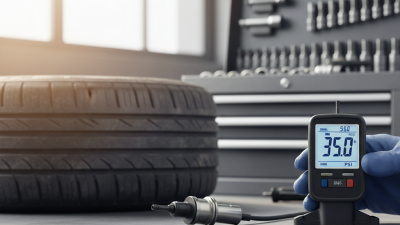
Tips: Check all four tires with a calibrated gauge when cold. Compare them with the door-jamb pressure label, not the tire’s maximum rating. Confirm the spare, if monitored, and inspect for a flashing light. Do not replace a sensor before checking its signal, battery status, and relearn history. Repair records matter.
Common Signs of a Failed or Inactive Tire Monitor Sensor
A failed or inactive tire monitor sensor often appears through a familiar dashboard warning. If the light flashes for about one minute, then remains illuminated, NHTSA’s FMVSS No. 138 identifies a system fault, not simply low pressure. A steady light usually signals pressure loss, but not always. Cold mornings can trigger it. So can a damaged valve stem, weak sensor battery, or recently changed wheel. NHTSA requires warnings at approximately 25% below the vehicle’s recommended pressure on covered vehicles. The warning helps, but it is not a complete diagnosis.
Common signs include missing pressure readings, dashes on one wheel, delayed readings, or a warning that returns after inflation. The U.S. Tire Manufacturers Association recommends checking pressure monthly and before long trips. Its industry guidance notes that pressure can change by about 1 psi for every 10°F temperature change. Check all tires with a calibrated gauge. Do not trust the dashboard alone.
A reset may hide the problem temporarily. It may not repair anything. A scan tool can identify lost sensor communication, while soapy water can reveal a valve leak. NHTSA’s tire-pressure research supports monitoring as a way to reduce underinflation risks, yet sensors cannot detect every puncture instantly. I have seen drivers trust the warning light too much. That is the weak point. If the warning remains after correct inflation, request sensor testing, valve inspection, and relearn verification. Replacement depends on battery life and corrosion, not mileage alone.
Step-by-Step Diagnosis of a Tire Monitor Sensor
When a tire monitor sensor stops working, begin with the warning light. A steady light often signals low pressure. A flashing light may indicate a sensor or communication fault. Check all four tires when cold, using a calibrated gauge. Follow the pressure listed on the vehicle placard, not the tire sidewall.
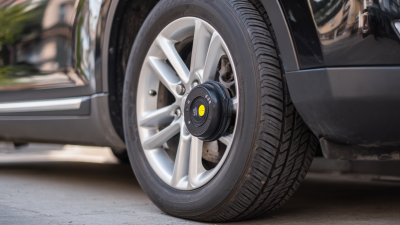
Inspect each valve stem for corrosion, bending, or air leakage. A damaged stem can imitate a failed sensor. Scan the system with a professional TPMS tool. The scan should reveal sensor identification, pressure, temperature, and battery status. Many sensors use sealed batteries, so replacement is usually required when voltage becomes weak. After installation, perform the vehicle’s relearn procedure. The sequence may require a scan tool or a short road test.
I once blamed the sensor too quickly. Incorrect pressure was the real problem. That mistake is common. NHTSA’s TPMS final-rule analysis estimated that monitoring systems could prevent about 8,500 crashes each year. This figure shows why diagnosis deserves care. If the warning returns, compare the displayed pressure with a manual reading. Check for slow leaks around the bead and valve core. A tire shop should confirm the signal before replacing parts. Do not reset the warning blindly. The system may be reporting an actual safety problem.
Why Is My Tire Monitor Sensor Not Working?
Use the vehicle placard pressure as the reference point. A TPMS warning commonly activates when a tire reaches approximately 75% of the placard pressure, although the exact behavior depends on the vehicle system. Check tire pressure first, then inspect the sensor, valve, wiring, and relearn procedure if the warning remains.
Sensor Replacement, Relearning, and System Reset Steps
When a tire monitor sensor stops responding, do not replace it immediately.
A depleted internal battery is common, but it is not the only cause. Low tire pressure, valve-stem damage, corrosion, or a spare wheel may create the same warning. Check every tire with a reliable pressure gauge, including the spare. Do not trust the dashboard alone. If one reading is missing or frozen, a diagnostic scan can identify the faulty sensor and prevent an unnecessary replacement.
Sensor replacement should match the wheel type and vehicle specifications.
A technician should inspect the valve stem and sealing surface during installation. Small leaks can hide around the stem.
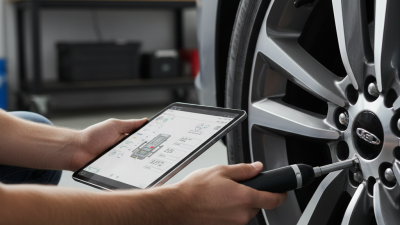
After fitting the new sensor, the vehicle usually needs a relearning procedure. Some systems learn automatically after several minutes of driving. Others require a programmed sequence using the vehicle controls or a scan tool. Follow the service instructions carefully. Guessing the sequence wastes time.
A system reset comes after correcting pressure and completing relearning.
Park safely, switch on the ignition, and use the reset function if the vehicle provides one. Drive at normal road speed for the required distance. The warning may need several minutes to disappear. If it returns, the problem may involve wiring, receiver communication, or another sensor. The reset did not fix it. I have seen drivers repeat resets while one tire slowly loses air. That mistake can turn a minor sensor issue into a serious handling problem.