A TPMS warning light can appear during a cold morning drive, after a tire change, or when pressure slowly drops. Reliable tire sensors help drivers notice pressure changes sooner, but not every system works the same way. Some sensors measure pressure inside each tire; others estimate it through wheel-speed data. That difference affects accuracy, setup, and the information shown to the driver. Small details count.
This guide reviews seven tire sensors for accurate TPMS monitoring, with attention to compatibility, readable displays, installation, and ongoing costs. A sensor must match the vehicle’s system and frequency, so check the owner’s manual and product fitment information before buying. Battery life also matters: many direct sensors use sealed batteries, and the entire sensor may need replacement when one runs out. Exact service life varies.
A clear display is useful, especially when it identifies which tire needs attention. Still, a dashboard reading is not a substitute for checking pressure with a dependable gauge. Temperature changes can affect readings, and a warning may point to a problem that deserves closer inspection. No single model suits every vehicle or driver. A low-cost kit may offer useful monitoring, while adding setup steps or less convenient support. This comparison considers those trade-offs rather than promising perfect readings. Use it to narrow your choices, then confirm fitment and instructions for your specific vehicle.
A tire-pressure sensor checks what a quick visual inspection cannot: the air pressure inside a tire. In a direct TPMS, a small sensor mounted inside each wheel measures pressure and often temperature. It sends readings by radio to the vehicle’s control unit, which triggers a dashboard warning when pressure falls below its programmed threshold.
The U.S. National Highway Traffic Safety Administration’s 2005 analysis for Federal Motor Vehicle Safety Standard No. 138 projected that TPMS could prevent about 120 fatalities and 8,500 injuries annually. Those were regulatory estimates, not a promise that every warning prevents a crash.
A sensor can also lose battery power, transmit intermittently, or need relearning after a wheel change. And a warning may arrive only after pressure has dropped substantially. Check cold tires with a reliable gauge, especially before a long drive; dashboard readings are useful, but they are not a perfect substitute.
One missed detail: the spare tire may not be monitored.
A reliable TPMS sensor must match your vehicle’s required frequency, communication protocol, and valve type. Check the vehicle manual or a trusted fitment reference before buying. A sensor that looks right may still send incompatible data. Fit matters.
Compare the stated pressure range and accuracy with your vehicle’s requirements. Clear specifications are more useful than broad claims. Direct sensors measure pressure inside each tire, while indirect systems estimate pressure through wheel-speed data. These approaches work differently, so confirm which system your vehicle uses. Also consider temperature tolerance, battery life, and whether the sensor can be serviced after installation. A dead battery can mean replacing the whole unit.
Installation quality matters just as much as the sensor itself. Incorrect tightening or a damaged valve stem can cause leaks or unreliable readings. After fitting, pair the sensors with the vehicle and compare the displayed pressure with a calibrated handheld gauge when the tires are cold. Check twice. No sensor is perfect, and readings can vary slightly with temperature or gauge accuracy. If one wheel repeatedly shows an unusual reading, investigate before assuming the sensor is faulty. A little uncertainty remains; that is a reason to verify, not ignore the warning.
Key Factors for Choosing an Accurate TPMS Sensor
This reference chart converts percentages of a 35 PSI placard pressure into PSI; the values are calculated examples, not sensor test results. For applicable U.S. vehicles, FMVSS No. 138 generally requires the TPMS warning to activate when pressure is at or below the regulatory threshold, typically 25% below the recommended cold tire pressure. When comparing sensors, check documented accuracy, reliable signal transmission, compatibility, and durability.
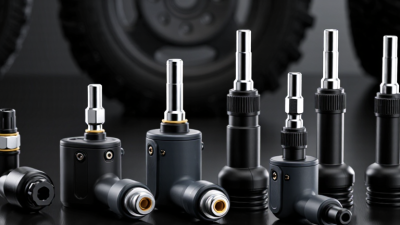
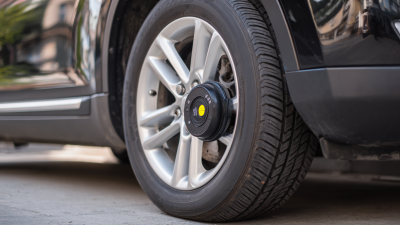
Seven tire sensors differ in fit, data, and maintenance needs. Internal sensors sit inside the wheel, while valve-stem and cap-on designs are easier to inspect. Other useful options report tire temperature, identify individual wheels, monitor a spare, or support trailer use. Check compatibility before choosing; not every sensor suits every rim or vehicle.
Accuracy matters most when readings are compared with the pressure listed on the vehicle’s door placard. The U.S. Department of Energy’s FuelEconomy.gov reports that properly inflated tires can improve fuel economy by up to 3%. It also estimates that each 1 psi drop across all four tires can reduce fuel economy by about 0.2%. Small numbers, real consequences. A sensor helps spot gradual loss, but it cannot correct pressure or detect every tire defect.
NHTSA advises that tire pressure can drop about 1 psi for every 10°F decrease in temperature. That makes a cold morning a useful time to check readings against a reliable gauge. Look for clear alerts, a practical refresh rate, replaceable or serviceable batteries, and durable valve seals. A warning is not a diagnosis. Sensor readings can be imperfect, and I would still verify an unexpected alert manually before a long drive.
| Sensor type | Where it mounts | What it monitors | Power and servicing | Practical advantages | Key considerations |
|---|---|---|---|---|---|
| 1. Internal direct TPMS sensor | Inside the tire, attached to the wheel near the valve stem | Measures tire air pressure directly; many units also measure air temperature | Usually powered by a sealed battery. The sensor is generally replaced when its battery is depleted or the unit fails. | Protected from road debris and weather; provides direct pressure readings while driving. | Typically requires tire removal for installation or replacement. Compatibility and relearn procedures vary by vehicle. |
| 2. Programmable replacement sensor | Inside the tire, fitted to the wheel | Directly measures tire pressure; temperature measurement depends on the sensor design | Commonly uses a sealed battery; service life depends on the specific unit and usage. | Can be configured for different vehicle applications when supported, which can simplify replacement inventory. | Must be correctly programmed and matched to the vehicle’s frequency, protocol, and relearn requirements. |
| 3. Clamp-in valve sensor | Inside the tire; secured through the wheel’s valve opening with a clamping nut | Directly measures inflation pressure; some designs also report temperature | Usually battery-powered, with a sealed battery that is serviced by replacing the sensor. | Metal valve construction offers a secure installation when fitted to compatible wheels. | Correct fit, sealing components, and installation torque matter. Wheel and valve compatibility should be checked. |
| 4. Snap-in valve sensor | Inside the tire; installed through the wheel’s valve opening with a snap-in valve stem | Directly measures inflation pressure; temperature reporting varies by design | Typically uses a sealed internal battery; the sensor assembly is generally replaced when the battery expires. | Combines a sensor with a flexible valve stem and is designed for compatible wheel applications. | Requires tire removal for installation. The valve style and pressure rating must suit the wheel and vehicle. |
| 5. External valve-cap sensor | Outside the tire, screwed onto the valve stem | Directly measures pressure at the valve; some systems also report temperature | Often uses a replaceable small battery, though battery design differs among systems. | Can be installed without removing the tire and is relatively easy to inspect or replace. | Exposed to weather, impacts, and theft; added weight can affect some valve stems. Check sealing and valve compatibility. |
| 6. Multi-wheel or trailer TPMS sensor | Inside the tire or on the valve stem, depending on the system; used on additional wheels such as a trailer | Directly measures pressure on each equipped wheel; temperature capability varies | Battery type and service life depend on whether the sensor is internal or external. | Can extend pressure monitoring to trailer or other additional tires when the receiver supports extra sensors. | Confirm the system’s sensor capacity, communication range, and vehicle-to-trailer setup before use. |
| 7. Temperature-reporting direct TPMS sensor | Usually inside the tire, attached to the wheel near the valve stem | Directly measures pressure and also reports sensor-area temperature when supported | Generally battery-powered; the battery is commonly sealed within the sensor. | Provides pressure data plus temperature information that may help identify changing tire conditions. | Temperature readings are not a substitute for checking tire pressure or inspecting the tire; reporting features depend on vehicle support. |
Note: Specifications, battery life, radio frequency, and vehicle compatibility vary by sensor and vehicle. Direct TPMS sensors measure pressure at the tire; indirect TPMS systems estimate pressure loss from wheel-speed data and do not use a pressure sensor in each tire.
Choosing among seven tire-sensor options starts with understanding how they measure pressure. Direct sensors sit inside the wheel and report pressure, often with temperature. They offer useful detail, but installation may require removing the tire. External cap sensors screw onto valve stems and are easier to fit. They remain exposed to weather, theft, and accidental knocks.
Other choices include vehicle-specific direct sensors, programmable universal units, preconfigured replacements, metal-stem designs, rubber-stem designs, and sensors with serviceable batteries. These options are not interchangeable categories. Check the vehicle’s model year, sensor frequency, valve-stem type, and relearn procedure before buying. Compatibility matters.
A sensor that fits the wheel may still fail to communicate with the vehicle. Indirect systems are different: they infer pressure loss from wheel-speed data and do not provide a reading from each tire.
Compare display details, alert thresholds, battery life, and support for a spare tire. For winter wheels, confirm that the system can recognize a second sensor set without repeated setup. A clear display showing each tire’s pressure is easier to interpret than a warning light alone. Small details count. Installation instructions can also vary, and that part is easy to underestimate. Verify readings with a reliable handheld gauge after fitting; sensors help monitor pressure, but they do not replace periodic checks.
7 Best Tire Sensors for Accurate TPMS Monitoring?
Installation, Calibration, and Ongoing Sensor Care
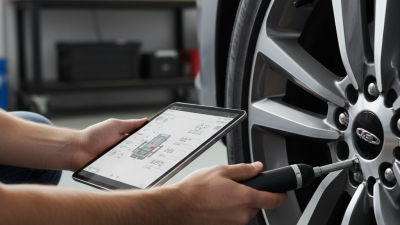
A reliable TPMS reading starts with correct installation. Direct sensors sit inside each wheel, so their position and identification must match the vehicle’s monitoring system. After fitting or rotating tires, follow the vehicle’s relearn procedure and confirm each wheel displays a pressure reading. Check pressures with a gauge while tires are cold; dashboard readings are useful, but they are not a substitute. Small details matter.
Calibration is not a one-time task. Set the system to the vehicle placard’s recommended pressure, then verify the display after driving as directed by the owner’s manual. NHTSA’s Federal Motor Vehicle Safety Standard No. 138 specifies warning activation when pressure in a tire falls substantially below the recommended level. A warning is a prompt to inspect, not proof that every tire is correctly inflated. Temperature changes can also shift readings, so compare them with a reliable gauge before adjusting.
Care keeps small faults from becoming confusing warnings. Ask the tire technician to protect sensor stems during mounting, and replace damaged seals or service parts when needed. Many sensor batteries are sealed; a weak battery may mean replacing the sensor rather than recharging it. NHTSA’s 2007 TPMS effectiveness report found equipped vehicles were less likely to have significantly underinflated tires. Still, sensors can fail or lose calibration. I would not treat a quiet dashboard as a complete inspection. Check pressure monthly, and look for visible damage or slow leaks.