China Top 10 Tire Sensor Suppliers for Global Buyers

Choosing reliable tire sensors is no longer a simple purchasing decision. Global buyers must examine accuracy, battery life, vehicle coverage, communication protocols, and after-sales support. A sensor may look efficient on a supplier’s webpage, yet fail during winter testing, long-distance transport, or repeated tire changes. Small details matter.

Dr. Jeffrey W. Runge, former administrator of the U.S. National Highway Traffic Safety Administration, once stated, “Tire pressure monitoring systems are an important safety technology that can help save lives.” His observation remains relevant as tire sensors become more connected and widely adopted. However, safety claims should not replace practical verification. Buyers still need test reports, traceable production data, quality certifications, and clear warranty terms.

This guide introduces China’s top 10 tire sensor suppliers for global buyers. It focuses on manufacturing capability, product consistency, customization, export experience, and technical responsiveness. Some suppliers specialize in programmable sensors. Others concentrate on original-equipment compatibility, fleet monitoring, or aftermarket distribution. Their strengths are not identical.

The comparison also considers less visible factors. Can the supplier provide stable firmware updates? Does its support team understand regional vehicle databases? Are replacement valves, batteries, and training available after delivery? These questions often decide whether a large order succeeds.

No ranking is flawless. Supplier performance can change with materials, management, and market pressure. Buyers should treat this overview as a practical starting point, not a final verdict. A sample shipment, installation trial, and independent validation remain necessary before signing a major agreement.
China Top 10 Tire Sensor Suppliers for Global Buyers

What Tire Sensors Are and Why They Matter in Global Markets

China Top 10 Tire Sensor Suppliers for Global Buyers

Tire sensors measure pressure and temperature inside or near each tire. They send live data to the vehicle’s monitoring system. This information helps drivers notice slow leaks before visible damage appears. It also supports safer fleet operations, better fuel use, and more even tread wear. Small pressure changes matter. A tire can lose air during cold nights, long journeys, or heavy loading. In global markets, sensors must perform across different climates, road surfaces, and vehicle designs.

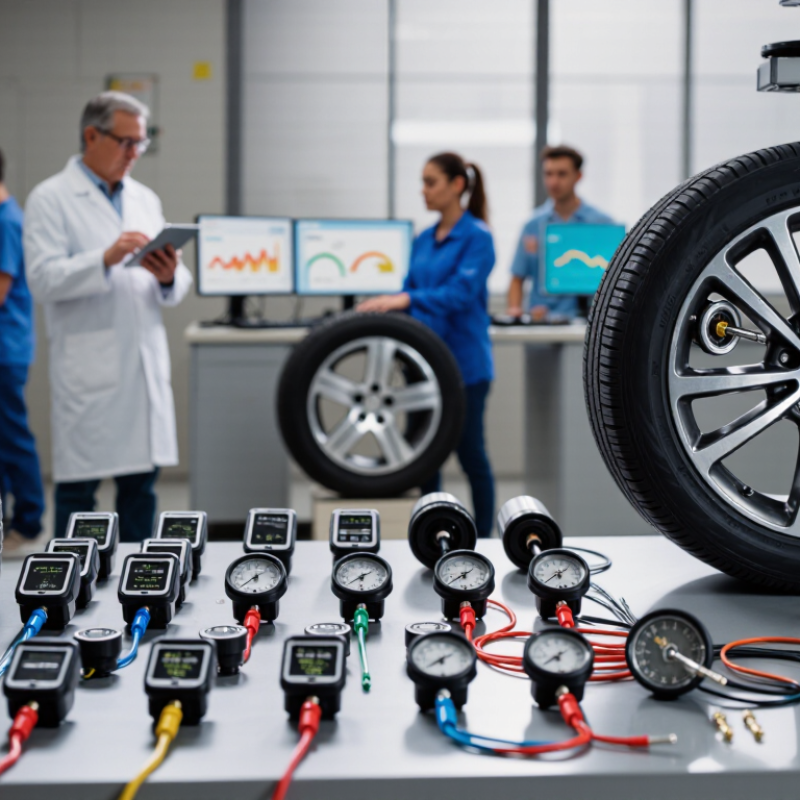
Reliable sourcing requires more than comparing prices. Buyers should check measurement accuracy, battery life, signal stability, valve materials, and compatibility with target vehicles. Request test reports and production samples before placing large orders. During inspection, compare readings with a calibrated pressure gauge. The result may not match perfectly. That is worth investigating, not ignoring. Suppliers should also explain installation steps, replacement procedures, packaging quality, and after-sales support. Clear technical documents reduce mistakes between factories, distributors, and installers.

Tips: Confirm frequency and protocol requirements early. Test sensors in hot, cold, wet, and high-load conditions. Keep spare units for field checks. Avoid judging quality from appearance alone. Even a well-finished sensor can fail after repeated vibration. Ask how suppliers control calibration and battery sealing. A practical evaluation often reveals weaknesses that product photos hide.
How China’s Tire Sensor Supplier Market Is Structured

China’s tire sensor supplier market is structured around several specialized layers. Large manufacturers usually serve vehicle makers and major distributors with high-volume OEM production. Smaller factories often focus on aftermarket sensors, replacement valves, or private-label orders. Some suppliers design the complete sensor, while others assemble imported chips, pressure modules, and housings.

This structure creates different buying experiences. OEM-focused suppliers normally provide engineering support, traceability, and stricter production controls. Aftermarket suppliers may offer lower minimum order quantities and faster customization. Trading companies can combine products from several factories, but their technical visibility may be limited. A factory visit, sample inspection, and production audit reveal more than a polished catalog.

Tips: Ask for sensor frequency, battery life, operating temperature, vehicle compatibility, and test records. Confirm whether software matching is included. Check packaging details, labeling accuracy, and replacement policies before placing a large order. Independent testing is useful, especially when products face winter roads, vibration, and moisture. Do not judge reliability by price alone. Cheap samples can perform well, yet large batches may vary. That risk deserves attention. Supplier claims should be compared with measured results, not accepted automatically.

Profiles of the Top 10 Chinese Tire Sensor Suppliers

China’s tire sensor market includes specialists with different strengths and production habits. Supplier One focuses on compact valve-mounted sensors for passenger vehicles. Supplier Two develops programmable units for mixed vehicle fleets. Supplier Three offers strong cold-weather performance and reinforced housings. Supplier Four is experienced in high-volume assembly, with stable output and documented inspection steps. Supplier Five builds sensors around flexible communication protocols. Its engineering team supports integration testing. Supplier Six serves distributors seeking private-label packaging and moderate order quantities.

Supplier Seven concentrates on long battery life, using low-power transmission settings and sealed casings. Supplier Eight provides sensors for commercial vehicles, where vibration resistance matters greatly. Supplier Nine combines sensor production with software tools for installation and fault detection. Supplier Ten maintains a smaller operation but offers quicker engineering adjustments for custom projects. That can be useful.

A reliable buyer assessment should examine pressure accuracy, temperature response, battery records, and signal consistency. Ask for sample testing before discussing large orders. Production photos help, but controlled test data matters more. Factory audits can reveal calibration equipment, storage conditions, and traceability procedures. Some suppliers communicate confidently yet provide incomplete technical files. This is worth questioning. Specifications may also change after tooling updates. Buyers should confirm materials, warranty terms, firmware control, and replacement procedures in writing. Field experience suggests that the cheapest quotation rarely reflects the full installation cost. Still, even careful profiles can become outdated, so regular supplier reviews remain necessary.

China Top 10 Tire Sensor Suppliers for Global Buyers - Profiles of the Top 10 Chinese Tire Sensor Suppliers
Profile Core Product Focus Sensor Types Typical Frequency Typical Pressure Range Typical Operating Temperature Vehicle Applications Quality & Compliance Focus Export Readiness
Supplier 01 Direct and indirect tire-pressure monitoring solutions Valve-mounted OBD-compatible 433 MHz; 315 MHz variants available 0–8 bar for passenger vehicles -40°C to 125°C sensor operating range Passenger cars, SUVs, light commercial vehicles Automotive-grade components; IP-rated housing options; battery-life testing OEM replacement and aftermarket-oriented packaging
Supplier 02 Universal programmable tire sensor systems Clamp-in Rubber snap-in 433 MHz common-market configuration 0–8 bar typical; higher ranges available for selected vehicles -40°C to 125°C Passenger vehicles and fleet vans Sensor relearn support; automated end-of-line testing; barcode traceability Multi-language manuals and vehicle-coverage databases
Supplier 03 Heavy-duty and commercial vehicle monitoring products External valve cap Internal sensor 433 MHz; regional frequency customization 0–14 bar for truck and bus applications -40°C to 85°C external; -40°C to 125°C internal Trucks, buses, trailers, logistics fleets Pressure-cycle testing; vibration testing; water and dust resistance testing Fleet-focused kits with receiver and display options
Supplier 04 OEM-style replacement sensors and service tools Cloneable Programmable 315 MHz and 433 MHz configurations 0–8 bar typical -40°C to 125°C Passenger cars, SUVs, crossovers Vehicle compatibility verification; serial-number control; leak testing Suitable for distributors, workshops, and regional wholesalers
Supplier 05 Connected TPMS modules with wireless data transmission Bluetooth-enabled 433 MHz RF 433 MHz RF; Bluetooth Low Energy for mobile connectivity 0–8 bar typical -40°C to 125°C Passenger vehicles and smart-fleet applications Low-power design; wireless pairing tests; communication stability testing Mobile-app and digital installation support options
Supplier 06 Economical aftermarket tire sensor programs Universal sensor Rubber valve 433 MHz standard aftermarket configuration 0–8 bar -40°C to 125°C Passenger cars and compact commercial vehicles Incoming material inspection; automated calibration; batch sampling Bulk cartons, private-label packaging, and mixed-SKU orders
Supplier 07 High-temperature and performance-oriented tire sensors High-temperature valve Motorsport-oriented 433 MHz; application-specific RF configurations 0–10 bar selected product range -40°C to 150°C for selected sensor designs Performance cars, specialty vehicles, test fleets Thermal cycling; pressure accuracy checks; accelerated aging tests Engineering samples and small-batch customization available
Supplier 08 Integrated TPMS kits with display receivers Internal sensors Solar display options 433 MHz wireless communication 0–8 bar for standard passenger vehicles -40°C to 85°C display; -40°C to 125°C sensor Cars, recreational vehicles, caravans, trailers Receiver pairing tests; alarm-threshold verification; enclosure testing Retail-ready kits with installation accessories
Supplier 09 Fleet monitoring and multi-axle tire sensor packages External sensors Repeater-compatible 433 MHz; extended-range receiver systems 0–14 bar for commercial vehicles -40°C to 85°C external sensor range Trucks, trailers, buses, agricultural vehicles Long-range communication tests; battery endurance; ingress protection checks Fleet installation kits and multi-wheel configuration support
Supplier 10 Custom tire sensor development and contract manufacturing Application-specific OEM engineering 315 MHz, 433 MHz, and customer-specified RF options Application-dependent; commonly 0–8 bar Application-dependent; commonly -40°C to 125°C Passenger, commercial, industrial, and specialty vehicles Design validation; PPAP-style documentation; production traceability Prototype-to-volume manufacturing and export documentation support
Technical values represent commonly specified ranges and configurations used in the Chinese tire-pressure monitoring sensor market; exact specifications vary by product model and vehicle application.

Key Factors for Comparing Tire Sensor Manufacturers

China Top 10 Tire Sensor Suppliers for Global Buyers

Comparing tire sensor manufacturers requires more than checking unit prices. Experienced buyers examine pressure accuracy, temperature stability, battery life, and signal performance under vibration. A reliable supplier should provide test reports, calibration records, and clear production traceability. Ask whether each sensor supports your vehicle models, communication protocols, and required installation method. Small compatibility gaps can create costly delays.

Production capability also matters. Review factory quality controls, incoming material checks, and final inspection procedures. Request samples from different production batches, not only polished demonstration units. Test them in cold starts, long-distance driving, and uneven road conditions. Field results often reveal weaknesses that brochures do not show. Warranty terms should define replacement procedures, response times, and technical support. Vague promises are not enough.

Tips: Compare at least three suppliers using the same checklist. Verify sample performance independently. Check battery consistency, sealing quality, and valve durability. Ask for a corrective-action process when failures occur. A low price may look attractive, but unstable readings can increase service costs. Some buyers focus too heavily on specifications and overlook communication speed. That is a mistake. Supplier evaluation is never perfectly objective; sampling can miss rare failures, so periodic re-testing remains worthwhile.

How Global Buyers Can Select and Purchase the Right Supplier

China Top 10 Tire Sensor Suppliers for Global Buyers

Selecting a tire sensor supplier requires more than comparing online prices. Global buyers should verify sensor accuracy, operating temperature, battery life, and communication stability. Request recent test reports, calibration records, and sample units before discussing volume orders. Test samples on different wheel sizes and under changing temperatures.

A reliable supplier should explain its manufacturing process clearly. Ask about component traceability, production inspection, packaging, and failure handling. Factory videos are useful, but an independent audit provides stronger evidence. Check whether the supplier can support your required certifications and market-entry documents. Requirements differ across countries. Do not assume one certificate works everywhere.

Communication reveals practical capability. Ask for a detailed quotation with tooling fees, minimum order quantity, lead time, warranty terms, and shipping conditions. Compare the response, not only the price. A very low offer may hide weaker batteries or limited after-sales support. That mistake is expensive.

Start with a small trial order. Measure delivery consistency and technical response. Keep records of sample performance, conversations, and corrective actions. Some buyers focus too heavily on the top-ten ranking and overlook product fit. Rankings can change. A supplier that matches your vehicle range, testing needs, and service expectations may be the safer choice, even without the lowest quotation. Be willing to revise your evaluation when evidence is incomplete.