Top 10 Tire Air Valve Manufacturers in China
A tire air valve may look like a small brass or rubber fitting, yet it helps preserve pressure, handling, and tire life. For buyers, the challenge is not simply finding a supplier. It is comparing materials, machining consistency, sealing performance, product range, and quality controls. These details matter when valves face repeated inflation, road vibration, temperature changes, and contact with moisture or road debris.
A useful paraphrase of valve pioneer August Schrader’s engineering legacy is: “A small valve must earn trust through a dependable seal.” This is a paraphrase, not a verified verbatim quotation. It captures a practical point: appearance alone cannot establish reliability. Ask manufacturers about inspection procedures, traceability, compatible applications, and how they test for leakage. A polished catalogue is not enough.
This guide introduces ten tire air valve manufacturers in China and considers what buyers can verify before starting a conversation. The comparison can help narrow a search, but it should not replace sample checks or direct technical questions. Some suppliers may offer broad catalogs; others may focus on particular valve types or customer requirements. Details can change, and public information may be incomplete. That is worth remembering. Use the list as a starting point, then judge each company against your specifications, documentation needs, and actual product samples.
Tire Air Valves: Structure, Function, and Main Types
Tire Air Valves: Structure, Function, and Main Types
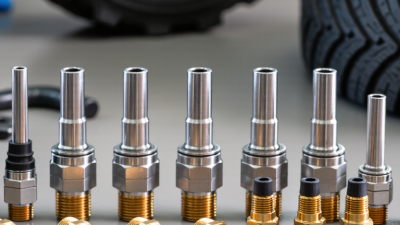
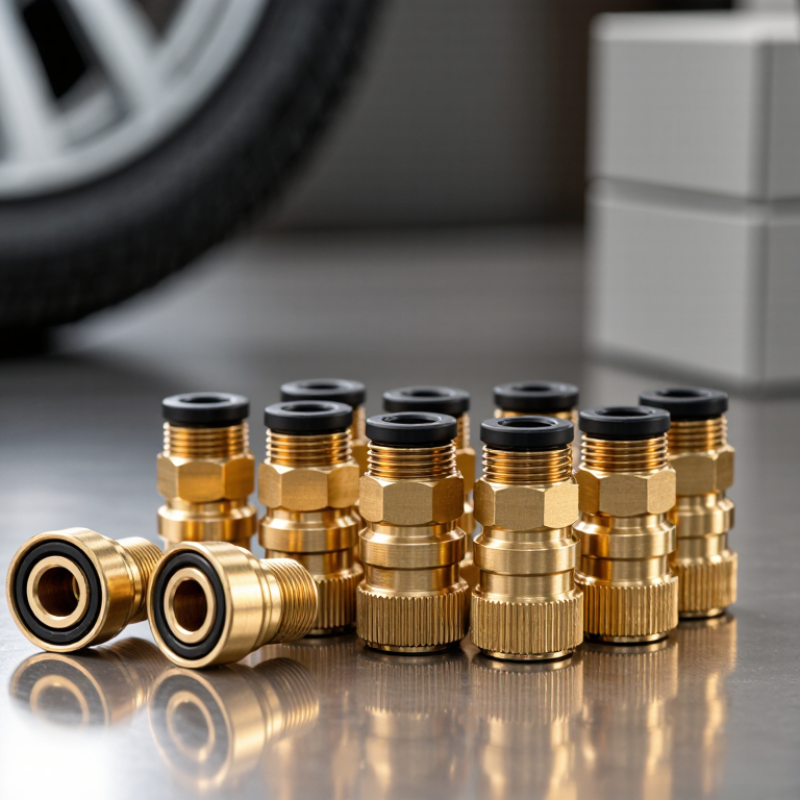
A tire air valve is a small assembly with an important job: keeping air inside while allowing controlled inflation. Its main parts are the valve stem, a removable valve core, and a protective cap. The core contains a spring-loaded pin and sealing surfaces. When an inflator presses the pin, air can enter; when released, the core should close. The cap helps keep dust and moisture away, but it is not the primary air seal. Stem materials and shapes vary with wheel design, tire pressure, and operating conditions.
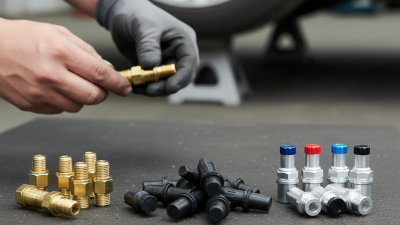
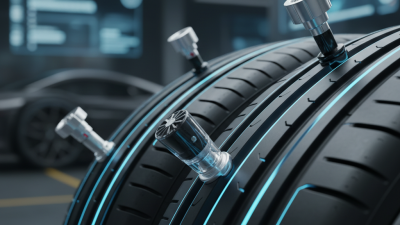
Common types include rubber snap-in valves, metal clamp-in valves, and valves designed for tire-pressure monitoring systems. Snap-in stems suit many standard passenger-car applications. Clamp-in styles use a nut and seal to secure the stem through the wheel, often where greater pressure or durability is required. TPMS-compatible valves must match the sensor and wheel arrangement. Tube-type tires use a different mounting setup from many tubeless wheels, so fitment should be checked rather than guessed. Small parts matter.
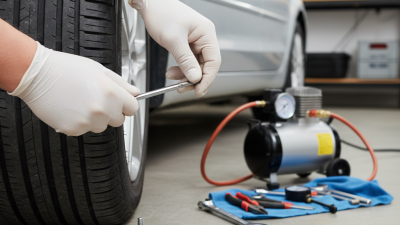
Tips: Check the stem for cracks, corrosion, or a loose base during tire service. Use the specified valve type and pressure rating. A cap is easy to overlook, and a damaged core can cause a slow leak. In practice, identification is not always obvious from a photo; confirm dimensions and wheel compatibility before ordering.
China’s Tire Air Valve Manufacturing Industry
China’s tire air valve manufacturing industry serves both vehicle production and the large replacement-tire market. Its growth is tied to automotive output, export demand, and the shift toward tire-pressure monitoring systems. The China Association of Automobile Manufacturers reported 30.16 million vehicles produced in 2023, up 11.6 percent year on year. This is useful demand context, not a direct measure of valve sales. The report does not isolate valve output.
A valve is small. Its job is not.
Manufacturers typically work with machined metal stems, rubber seals, and caps, then check dimensions and air leakage by batch. For sensor-compatible applications, fit and sealing matter as much as material choice. Export-oriented production also requires stable batches and clear inspection records. A few hundredths of a millimeter can affect fit.
The picture is not perfect. Low-cost parts may pass a quick visual check yet perform inconsistently after heat, vibration, or repeated inflation. Buyers should ask for test methods and traceability, not just a stated production capacity. This is especially relevant when comparing factories, since publicly available industry statistics rarely separate tire valves from broader automotive components.
How to Assess Tire Air Valve Manufacturers
Top 10 Tire Air Valve Manufacturers in China: How to Assess Manufacturers
A credible shortlist starts with evidence, not catalogue claims. Check whether the manufacturer can trace each valve to its material batch, production lot, and inspection record. Ask for dimensional reports, leakage-test methods, and results from repeat tests—not just a single sample. ISO 9413 specifies tyre-valve dimensions and designation; confirm the supplier’s drawings match the standard and your application. A compliant drawing alone does not prove consistent production.
Valve sealing matters because pressure affects vehicle efficiency and safety. The U.S. Department of Energy’s FuelEconomy.gov estimates that proper tire inflation improves fuel economy by about 0.6% on average, and up to 3%. A valve is only one part of the tire system, but weak sealing can undermine pressure maintenance. Paperwork is not proof. I would still request samples from separate production lots; one neat batch can flatter a supplier, and that check takes time.
Tips: Compare samples using the same pressure, temperature, and test duration. Ask how the factory controls core installation, cap fit, and leak checks. Review calibration records and corrective-action examples. Check whether staff can explain a failed test clearly. That conversation can reveal more than a polished audit sheet. Keep the criteria consistent across candidates, and record exceptions rather than quietly overlooking them.
Profiles of 10 Leading Tire Air Valve Manufacturers in China
China’s tire air valve sector serves passenger cars, trucks, motorcycles, and off-road equipment. The China Association of Automobile Manufacturers reported 31.282 million vehicles produced in 2024. This figure signals a large automotive supply base, but it is not a tire-valve sales estimate. The ten profiles below compare manufacturing strengths rather than claim a verified ranking.
Profile 1 focuses on machined metal stems and valve cores. Profile 2 specializes in rubber snap-in valves for passenger tires. Profile 3 makes clamp-in valves for tubeless wheels. Profile 4 targets higher-pressure truck and bus applications. Profile 5 develops valves compatible with tire-pressure monitoring systems. Profile 6 serves motorcycle wheel sizes. Profile 7 handles agricultural and off-road fitments. Profile 8 supports custom dimensions for original-equipment programs. Profile 9 emphasizes automated, high-volume production. Profile 10 highlights batch traceability and export-oriented quality checks. Useful checks include stem dimensions, sealing performance, material consistency, and test records.
The CAAM data provide context, not proof that any one supplier is superior. Buyers should request current inspection documents and test samples, then check fit and leakage under intended conditions. Small details matter. A polished catalog cannot replace a sound seal test, and supplier capabilities may vary by model or production batch.
Comparing Manufacturers by Products, Certifications, and Markets
China’s tire air valve manufacturers differ in product range, quality systems, and sales channels. Some focus on rubber snap-in valves for passenger cars; others make metal clamp-in models or TPMS-compatible assemblies. Small parts matter. Valve material, sealing design, and pressure range should match the wheel and service conditions. A broad catalog alone does not prove consistent performance.
CAAM’s 2023 annual industry figures recorded 30.16 million vehicles produced in China, indicating a large domestic base for replacement and original-equipment components. This figure is not a valve-demand estimate, but it helps explain why manufacturers serve varied customer groups. Compare certificates by checking their scope, issuing body, and expiry date; ISO 9001 and IATF 16949 address management systems, not every individual valve’s performance. Also review test reports for leakage, corrosion resistance, and temperature tolerance. Export experience can signal familiarity with different buyer requirements, though it does not guarantee product quality. This comparison is imperfect: public data on factory capacity and defect rates is often limited, so buyers should request current documentation and samples.
Tire Valve Product Benchmarks: Typical Maximum Inflation Pressure
Typical published ratings vary by exact valve design and application. Standard and high-pressure snap-in valves are commonly rated up to 65 psi and 80 psi, respectively; metal clamp-in valves can be rated up to 200 psi. These product benchmarks are not manufacturer rankings or certifications.