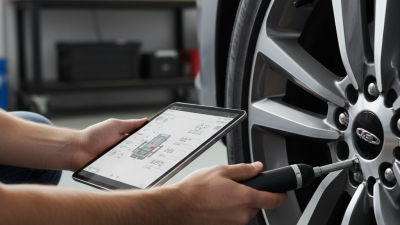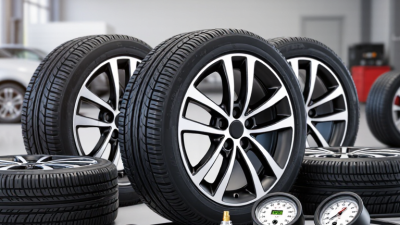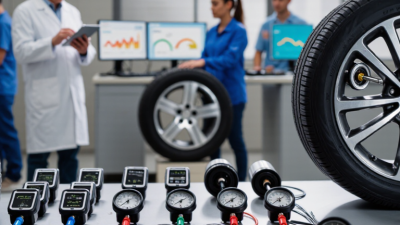
China has become a major source of automotive sensing technology, including the tpms tire pressure monitoring system. Its suppliers serve passenger cars, commercial vehicles, trailers, and aftermarket installers worldwide. However, choosing a reliable manufacturer requires more than checking factory size or product price.
This guide introduces ten notable Chinese TPMS suppliers through practical evaluation criteria. These include sensor accuracy, valve durability, battery life, vehicle coverage, and programming convenience. Certification and quality-control records also matter. A dependable supplier should provide clear test data, stable production, traceable components, and responsive technical support. Real experience is important too. Installers often notice small details, such as whether a sensor pairs quickly or survives harsh winter roads.
The selection also considers OEM experience, export capability, customization, and warranty service. Some manufacturers focus on universal sensors. Others develop vehicle-specific solutions or fleet monitoring platforms. Their strengths are not identical. No supplier is perfect.
Market information can change as factories update models, certifications, and software. Therefore, readers should verify current specifications directly with each company. Samples, communication quality, and after-sales response can reveal more than a polished website. This introduction is designed to support careful comparison, not to declare one permanent winner. A supplier that suits a large fleet may not fit a small repair shop. Practical matching matters.
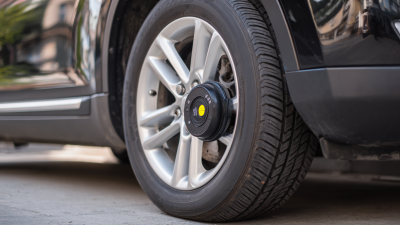
A tire pressure monitoring system, or TPMS, checks tire inflation while the vehicle moves. Direct TPMS uses a small sensor inside each wheel. It measures pressure and often temperature, then sends readings to the vehicle receiver through radio signals. The dashboard displays a warning when pressure falls too low. In the United States, NHTSA regulations require a warning when pressure reaches 25% below the recommended cold inflation level.
Indirect TPMS works differently. It studies wheel-speed signals from the anti-lock braking system. A softer tire has a smaller rolling radius, so it rotates slightly faster. The software compares wheel behavior and estimates a pressure problem. It costs less, but temperature changes and uneven tire wear can confuse the calculation. The system is not magic.
Industry data shows why this technology matters. Grand View Research valued the global TPMS market at about USD 11.2 billion in 2023 and expects continued growth through 2030. The U.S. Department of Energy also reports that underinflation reduces fuel economy, although the exact loss depends on driving conditions and tire design. A warning light should trigger a manual gauge check, not an automatic sensor replacement. Sensors can lose accuracy, batteries can fail, and a cold morning may expose a pressure issue that yesterday’s drive concealed.
China Top 10 TPMS Tire Pressure Monitoring System Suppliers?
When evaluating Chinese TPMS suppliers, compliance evidence should come before price. Request test reports for sensor accuracy, battery life, temperature resistance, and radio performance. NHTSA’s Final Regulatory Impact Analysis estimated that TPMS could prevent about 120 deaths and 8,400 nonfatal injuries annually in the United States. This figure shows why quality control is not a marketing detail. Ask whether the supplier tests sensors after vibration, water exposure, and repeated pressure changes. Factory audit records also matter. A polished catalog proves little.
Technical compatibility is another key criterion. Confirm valve-stem design, frequency options, vehicle coverage, relearn procedures, and diagnostic-tool support. The U.S. Department of Energy reports that correctly inflated tires can improve fuel economy by up to 3%. Small pressure errors can create customer complaints, uneven tire wear, and warranty costs. Review sampling plans under ISO 2859-1, calibration records, and failure-rate data. Request traceable serial numbers. A spreadsheet cannot show every factory weakness.
Tips: Order pilot samples before signing a large contract. Test them on several vehicle models and in cold conditions. Compare pressure readings with calibrated equipment. Check software translations carefully. Ask for recent corrective-action reports, not only certificates. No checklist is perfect. An independent laboratory can verify critical results, although this adds time and cost. Be cautious when a supplier refuses raw test data or promises universal compatibility without clear coverage evidence.
China’s top 10 TPMS tire pressure monitoring system suppliers serve passenger cars, commercial vehicles, trailers, and replacement markets. Their products commonly include compact sensors, receiving modules, wireless valves, and diagnostic tools. Strong suppliers support both original equipment projects and aftermarket installation.
A practical comparison should examine sensor accuracy, battery life, temperature resistance, and communication stability. Production experience matters, especially when sensors face vibration, road salt, and sudden temperature changes. Leading manufacturers usually operate automated assembly lines and conduct pressure, sealing, radio, and durability tests. Some also provide vehicle matching software, sample development, technical manuals, and responsive engineering support. Small details matter.
Supplier selection should include certification records, traceable quality procedures, and realistic delivery capacity. A capable factory can explain its testing method clearly, not only display attractive specifications. It should also manage firmware updates and replacement sensor compatibility without creating unnecessary installation problems. However, public supplier information is sometimes incomplete. Rankings can therefore change after factory audits, sample testing, and customer feedback. No ranking is perfect. Buyers should request independent verification, inspect production controls, and test products across several vehicle models before signing a long-term agreement.
This non-branded benchmark compares the main capabilities commonly evaluated when selecting leading TPMS suppliers in China. The normalized scores emphasize product coverage, vehicle integration, sensor compatibility, aftermarket support, and diagnostic connectivity rather than individual company performance.
China’s top 10 TPMS suppliers should be compared by product capability, not factory scale alone. Direct TPMS uses pressure sensors inside each tire, usually mounted near the valve stem. It offers real-time pressure and temperature readings, but sensor batteries and replacement procedures require attention. Indirect TPMS estimates pressure through wheel-speed differences from the ABS system. It costs less, yet calibration can become unreliable after tire rotation or uneven wear.
Fortune Business Insights’ 2024 report valued the global TPMS market at about USD 10.6 billion and projects continued growth through 2032. Passenger cars remain the largest application, while commercial vehicles demand stronger durability and fleet-level diagnostics. Electric vehicles add another challenge. Their heavier battery systems can increase tire loads, making accurate pressure warnings more important. Some advanced systems now support Bluetooth Low Energy, sensor auto-location, and cloud-based maintenance records. These features sound impressive. They are not always necessary. A supplier serving city taxis may need stable communication and low replacement costs more than complex analytics. Off-road vehicles require sealed housings, vibration resistance, and wider pressure ranges. Test data should cover cold starts, rapid temperature changes, valve corrosion, and signal loss. The UNECE and regional vehicle-safety requirements also make compatibility testing essential. A product may pass laboratory checks but perform poorly after careless installation. That uncomfortable gap deserves more attention.
Choosing among China’s top ten TPMS suppliers requires more than comparing unit prices. NHTSA made tire pressure monitoring systems mandatory for most new passenger vehicles in the United States from September 1, 2007. This requirement highlights the importance of reliable warnings, not attractive packaging. Industry estimates also show strong market growth. Grand View Research valued the global TPMS market at about USD 7 billion in 2023, although reports differ because their product definitions vary. Data can mislead.
A serious buyer should request sensor accuracy records, temperature testing, battery-life results, and communication protocol details. Ask for samples from regular production, not specially prepared units. Test them on several wheel sizes and in cold, hot, and low-pressure conditions. A factory audit should review calibration equipment, traceability, incoming material checks, and final inspection. Small gaps here often become warranty problems later. Test it yourself.
Compliance documents must match the destination market. Check frequency compatibility, radio approvals, cybersecurity controls, and vehicle relearn procedures with qualified engineers. ISO 9001 certification can support process control, but it does not prove product performance. Request independent laboratory reports and recent corrective-action records. Also examine software update support, replacement policies, packaging protection, and response times after shipment. I would not trust a polished brochure alone. The cheapest supplier may become expensive when data is incomplete, samples vary, or technical support disappears after payment. A written quality agreement, clear acceptance limits, and staged purchasing reduce that risk. Perfect selection is unrealistic. Careful evidence is better.