How to Choose the Best Tire Valve Caps?

Choosing the right tire valve caps seems simple until moisture, road salt, and poor fit create avoidable problems. These small components protect valve cores from dirt and corrosion. They do not replace regular pressure checks.

John Nielsen, a recognized automotive service expert and former AAA engineering director, has often stressed a simple maintenance principle: “Check your tire pressure regularly.” That advice should guide every decision about tire valve caps. A cap must fit the valve stem securely, seal against contamination, and remain easy to remove during inspection. Metal caps may look stronger, but some can corrode or bind to the stem. Plastic caps are lighter and often more practical for everyday driving.

The best tire valve caps depend on your vehicle, climate, and driving habits. A commuter in a dry region may need only durable plastic caps with intact seals. A driver near winter roads should consider corrosion-resistant materials and careful thread inspection. Vehicles with tire-pressure monitoring systems also deserve attention. The cap usually does not interfere with the sensor, but incorrect installation can still cause service trouble.

Small detail. Real consequence.

This guide will compare materials, sealing designs, thread quality, appearance, and long-term maintenance. It will also question a common assumption: expensive caps are not automatically better. I have seen attractive metal caps neglected until removal became difficult. Good selection is less about decoration and more about dependable protection, simple inspection, and honest compatibility.
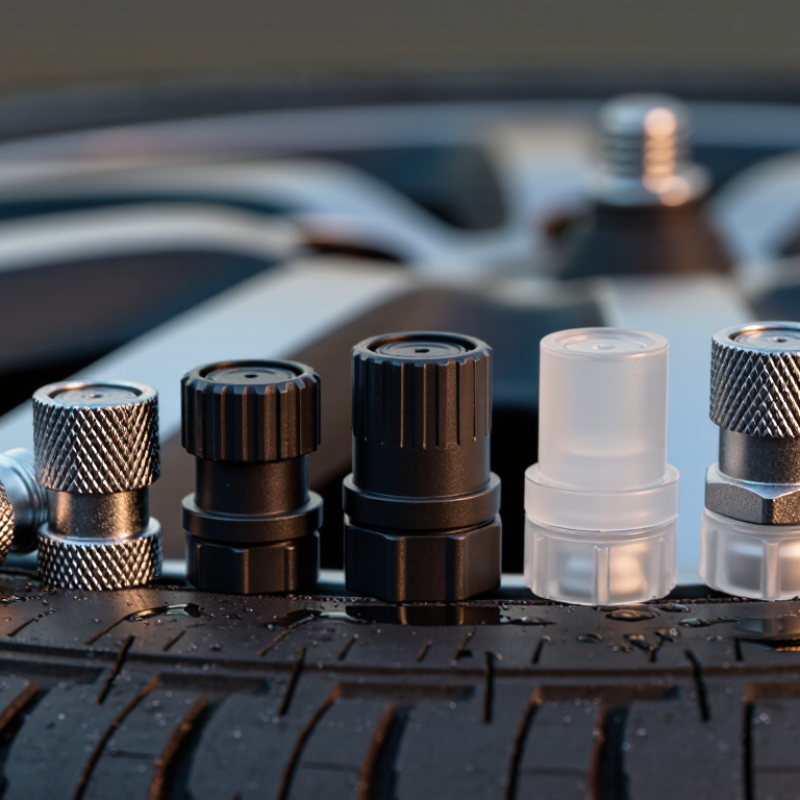
How to Choose the Best Tire Valve Caps?

Identify Valve Type and TPMS Compatibility Under FMVSS 138

How to Choose the Best Tire Valve Caps?

Choosing valve caps starts with identifying the valve type. Most passenger vehicles use Schrader valves, but the stems may be rubber snap-in or metal clamp-in designs. Check the owner’s manual or service information before buying. A cap should fit smoothly, cover the threads, and tighten without tools. If it feels forced, stop. The wrong cap can damage threads or trap moisture near the valve core.

TPMS compatibility matters under FMVSS 138. This standard requires a vehicle’s tire pressure monitoring system to warn the driver when pressure falls significantly below the recommended level. Valve caps do not replace TPMS sensors, and they cannot repair a warning light. However, a poorly fitted cap may cause a slow leak or interfere with a sensor-specific valve assembly. Use the cap type specified for the installed stem. Avoid heavy or corroded metal caps unless the service guidance allows them.

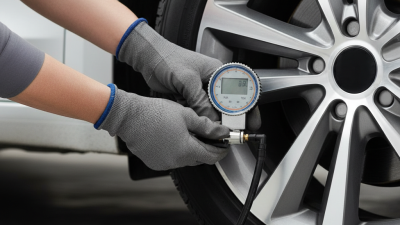
Tips: Remove each cap during a cold-tire pressure check. Inspect the rubber seal for cracks. Add a small amount of soapy water around the valve. Bubbles indicate leakage. Plastic caps are often practical, but not always ideal. That detail is easy to miss. After installation, recheck pressure and confirm that the TPMS warning behaves normally after driving. A cap can look perfect while its internal seal has already hardened.

Compare Brass, Aluminum, and EPDM Caps for Corrosion Resistance

How to Choose the Best Tire Valve Caps?

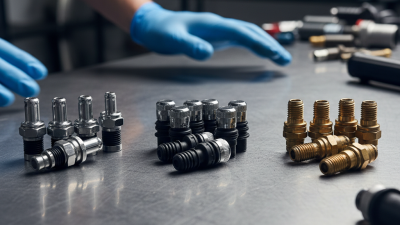
Road salt, rain, and brake dust attack small valve components quickly. NACE’s IMPACT study estimated global corrosion costs at about $2.5 trillion annually, or 3.4% of global GDP. That figure covers entire infrastructure, not valve caps, but it shows the scale of the problem. For daily driving, brass caps offer good strength and moderate corrosion resistance. However, brass can develop dezincification in persistent moisture, especially when its protective finish is damaged. Aluminum is lightweight and resists many weather conditions, but road salt can cause pitting and galvanic corrosion when it contacts dissimilar metals. EPDM caps avoid metal-to-metal corrosion completely. They also seal quietly against dust and water. Yet rubber can harden, crack, or lose flexibility after long exposure to heat and ultraviolet light.

Tips: Match the cap material with your climate. Choose EPDM for salty winter roads, aluminum for weight-sensitive use, and brass for rugged everyday handling. Inspect the seal every few months. A loose cap is not protection. Clean the valve stem before installation, and never force a cross-threaded cap. ASTM B117 salt-spray testing can compare coatings, but it does not perfectly predict field life. I would not treat a laboratory result as a guarantee. The U.S. National Highway Traffic Safety Administration also links correct tire pressure with safer operation, so a cap should protect the valve without interfering with pressure checks. Small details matter here.

How to Choose the Best Tire Valve Caps? - Compare Brass, Aluminum, and EPDM Caps for Corrosion Resistance
Comparison Dimension Brass Caps Aluminum Caps EPDM Caps
Material Type Copper-zinc alloy Lightweight aluminum alloy Ethylene propylene diene monomer rubber
Resistance to General Moisture Good
Brass forms a protective surface layer, but prolonged moisture can cause tarnishing or corrosion.
Very Good
Aluminum naturally forms a thin oxide layer that helps protect the metal.
Excellent
EPDM does not rust and is generally resistant to water and humidity.
Resistance to Road Salt Moderate to Good
Performance depends on the alloy and exposure; deposits should be rinsed away regularly.
Good
Uncoated aluminum can pit in aggressive chloride environments, especially when salt remains on the surface.
Excellent
EPDM is not affected by galvanic corrosion, although dirt and chemicals can still affect its surface.
Risk of Galvanic Corrosion Moderate
May react with dissimilar metals, particularly in the presence of water and road salts.
Moderate
Contact with dissimilar metals can accelerate galvanic corrosion if moisture and electrolytes are present.
None as a Rubber Material
EPDM is electrically nonconductive and does not create a metal-to-metal galvanic couple.
Resistance to Tarnishing Moderate
May darken or develop a patina over time, particularly in humid or polluted environments.
Good
Usually retains a light metallic appearance, although oxidation and surface pitting are possible.
Excellent
Does not tarnish like metal, but its color may fade after prolonged outdoor exposure.
UV and Weather Resistance Good
Metal is not degraded by UV exposure, but its finish may weather.
Good
Metal is UV-stable; painted or anodized finishes may fade or wear.
Excellent
EPDM is widely used for outdoor seals because of its strong resistance to ozone, sunlight, and weathering.
Typical Continuous Temperature Range Approximately −40°C to 120°C, depending on the alloy and design. Approximately −40°C to 120°C, depending on the alloy, finish, and application. Approximately −40°C to 150°C for many EPDM compounds; the exact limit depends on formulation and exposure.
Mechanical Strength High
Strong threads and good resistance to impact and repeated installation.
Good
Light and adequately strong, but generally more prone to thread damage than brass if overtightened.
Moderate
Flexible and impact-resistant, but not as rigid or torque-resistant as metal.
Weight Heavy relative to aluminum and EPDM; brass density is typically about 8.4–8.7 g/cm³. Lightweight; aluminum density is typically about 2.6–2.8 g/cm³. Very lightweight; typical EPDM density is approximately 1.1–1.3 g/cm³.
Maintenance Requirements Rinse off salt and road grime; occasional cleaning may help limit tarnishing. Rinse off salt deposits and inspect for pitting, especially in coastal or winter-salted areas. Clean with mild soap and water; avoid petroleum-based products that can affect EPDM over time.
Best Application Drivers who prioritize a durable, rigid cap and a traditional metallic appearance. Applications where low weight, appearance, and good outdoor corrosion resistance are important. Wet, salty, or winter environments where rust-free performance and flexibility are the main priorities.
Main Limitation Can tarnish and may experience dezincification or galvanic corrosion under specific chemical and moisture conditions. Can pit in chloride-rich conditions and may suffer thread damage if installed with excessive force. Can age, harden, or crack after prolonged service; it also provides less mechanical protection than a rigid metal cap.
Overall Corrosion-Resistance Choice Good
A reliable general-purpose option when maintained properly.
Good to Very Good
A strong lightweight choice, especially with a suitable protective finish.
Excellent Against Rust and Galvanic Corrosion
Often the best choice when moisture, salt, and corrosion avoidance are the primary concerns.

Selection note: Regardless of cap material, the cap should fit the valve stem correctly and should not be overtightened. The valve core remains the primary air-retention component; the cap provides additional protection from dirt, moisture, and corrosion.

Choose Sealed Caps to Help Prevent Pressure Loss and Contamination

How to Choose the Best Tire Valve Caps?

When choosing tire valve caps, prioritize a sealed design with a reliable internal gasket. During routine tire checks, I have seen loose caps collect water, dust, and road salt. A sealed cap helps keep these contaminants away from the valve core. It also provides a second barrier against gradual pressure loss.

Small component. Important protection.

A missing cap may not cause immediate deflation, but dirt inside the valve can interfere with its seal.

Look for caps that fit smoothly and sit firmly on the valve stem. The threads should engage without force. Check the gasket for cracks, flattening, or stiffness, especially after long exposure to sunlight and winter roads.

Plastic caps are lightweight and resist some corrosion. Metal caps may feel stronger, but corrosion can make removal difficult. The right option depends on driving conditions, maintenance habits, and valve-stem compatibility.

A sealed cap is helpful, but it cannot repair a leaking tire or damaged valve core. Check tire pressure with a dependable gauge when the tires are cold.

If pressure keeps falling, inspect the tread, rim, valve core, and cap separately. I once suspected a faulty cap, but the real problem was a loose valve core. That was a useful reminder.

Protection has limits.

Install caps hand-tight, keep them clean, and replace any cap with a damaged seal.

Account for Underinflation: Each 1 psi Can Reduce Fuel Economy About 0.2%

How to Choose the Best Tire Valve Caps?

Tire valve caps look minor, but they help protect the valve core from dust, moisture, and road salt. Choose caps with a secure fit, a reliable sealing insert, and corrosion-resistant materials. The cap must match the valve stem thread. Do not force it. A loose cap may disappear after a rough drive, while an overtightened cap can become difficult to remove during roadside checks.

Underinflation deserves more attention than appearance. The U.S. Department of Energy reports that fuel economy can fall about 0.2% for every 1 psi below the recommended pressure. Four or five missing psi can quietly increase fuel use, especially across many months. Check it cold. Use the pressure listed on the vehicle placard, not the maximum number molded on the tire sidewall. Small parts matter.

The National Highway Traffic Safety Administration links correct tire inflation with safer handling and reduced tire-failure risk. However, valve caps cannot correct low pressure or replace regular inspections. I once treated caps as decoration, which was a poor assumption. A better choice is a cap that seals cleanly, survives weather, and can be removed by hand. Inspect the valve stem during each pressure check. Replace cracked caps promptly, even if the tire still appears normal. Visual judgment is unreliable.

Verify Thread Fit, Temperature Range, and ISO-Compliant Dimensions

Choosing tire valve caps starts with thread fit, not color or surface finish. Remove one cap and inspect its internal grooves under good light. A correct cap should turn smoothly by hand and stop without wobbling. Do not force it. Cross-threading may damage the valve stem, especially when dust collects around the opening. Compare the cap with the valve specification, including thread type and pitch. Some caps look interchangeable but are not. That small mismatch can create slow air loss. After installation, check the seal and inspect it again after a short drive.

Temperature range also deserves careful attention. A cap may face hot wheels, winter roads, pressure washing, and sudden temperature changes. Choose materials and seals rated for the actual service conditions, not an assumed average. Check the product data sheet for minimum and maximum operating temperatures. Numbers matter here. A cap that becomes brittle may crack during removal. One that softens can lose sealing pressure. I have seen simple hand checks miss this problem.

For dependable selection, verify ISO-compliant dimensions for the intended valve assembly. Confirm the cap’s outside diameter, internal thread, length, and sealing contact area. Documentation should identify the relevant standard or test method. Do not rely only on a photograph or a generic size label. Measure the valve when uncertainty remains. A small ruler helps, but a thread gauge is better. The final fit should remain secure without tools, while the cap should still be removable during routine pressure checks.

How to Choose the Best Tire Valve Caps?

Verify thread fit, temperature range, and ISO-compliant dimensions before installation.

Thread Fit

For common automotive Schrader valves, check the nominal 0.305-32 thread specification, approximately 7.75 mm major diameter and 0.794 mm pitch.

Temperature Range

Select a cap sealing material whose published operating range covers the lowest and highest temperatures expected at the wheel.

ISO Dimensions

Confirm the valve and cap follow the applicable ISO 4570 tyre-valve thread profile. Do not rely on appearance alone.

The chart shows typical published temperature-capability ranges for common sealing materials. Actual limits depend on formulation, exposure time, pressure, and cap construction; always verify the supplier’s technical datasheet.