What Is the Best TPMS Kit in 2026?

Choosing the best TPMS kit in 2026 means looking beyond a bright display or a low price. A useful system should provide clear pressure readings, reliable sensor communication, and alerts that are easy to understand while driving. Compatibility matters, too. Check the kit’s sensor type, valve-stem fit, and supported tire-pressure range before buying. A dashboard that shows four steady readings is reassuring; a sensor that repeatedly drops offline is not.

The National Highway Traffic Safety Administration offers a practical reminder: “TPMS is not a substitute for regular tire pressure checks.” That distinction matters. A TPMS kit can warn you when pressure falls, but it cannot explain whether a nail, cold weather, or a slow leak caused the change. Check tires with a reliable gauge. Look for kits with straightforward calibration, visible low-pressure alerts, and replacement sensors you can actually find. Easy to overlook.

This guide compares popular options by accuracy, installation effort, display clarity, and long-term maintenance. It also considers real-world details, such as whether a receiver stays readable in midday glare or whether a sensor’s battery can be replaced. No kit is perfect. A few models may offer useful features but feel fiddly during setup. That deserves an honest look. The best choice is the one that suits your vehicle, driving habits, and willingness to maintain it—not simply the one with the longest feature list.
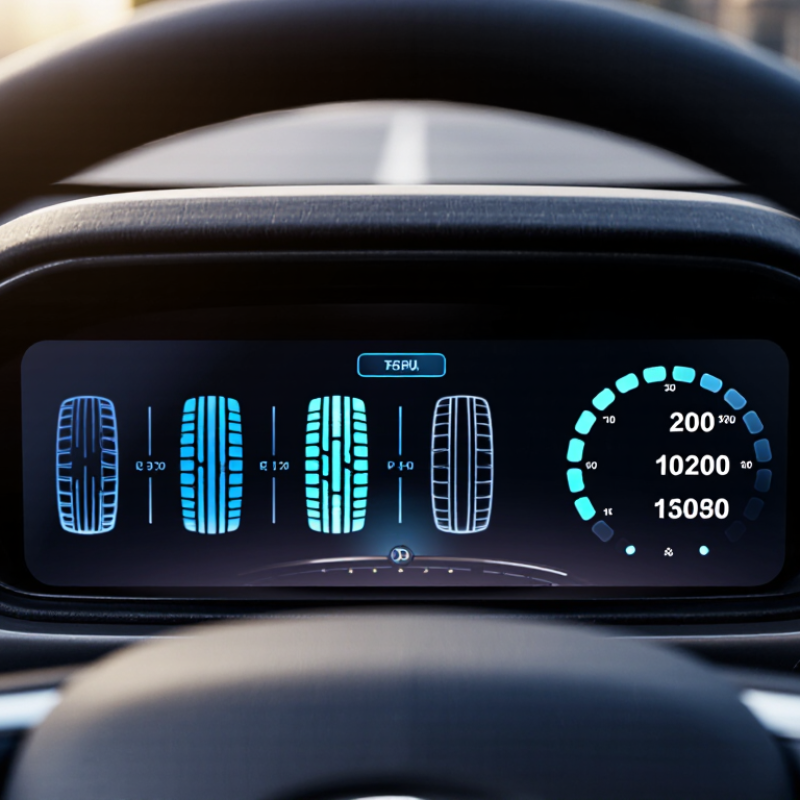
What Is the Best TPMS Kit in 2026?

How Tire Pressure Monitoring Systems Work

A tire pressure monitoring system (TPMS) checks whether tire pressure falls below a set threshold. In a direct system, a small sensor inside each wheel measures pressure. It sends readings wirelessly to the vehicle’s receiver, which may show numbers or trigger a warning light. The sensor often sits near the valve stem, so a tire service worker needs to handle it carefully.

Some vehicles use indirect TPMS. It compares wheel-speed signals from the anti-lock braking system. An underinflated tire can rotate faster because its rolling circumference changes. This method estimates pressure rather than measuring it directly. Either system has limits. A warning may appear only after pressure has dropped noticeably, and a slow leak can develop between checks. Cold weather can also lower readings; the dashboard may not show the exact pressure.

Tips: Check pressure with a reliable gauge when tires are cold, then compare it with the vehicle’s recommended figures. Don’t rely on the warning light alone. I’d still inspect the tread and look for visible damage; TPMS cannot spot every problem. If readings seem inconsistent after inflation, drive a short distance and check the display again. It can be a little confusing.

Which Types of TPMS Kits Are Available in 2026?

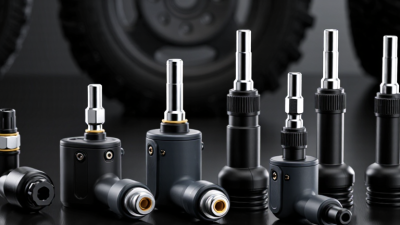
TPMS kits generally fall into three groups: direct-sensor, indirect, and hybrid systems. Direct kits measure pressure inside each tire and send readings to a cabin display or phone. Internal sensors sit behind the wheel, while external sensors attach to valve stems and are easier to install. Small details matter: exposed valve sensors can be awkward around tight wheel covers.

NHTSA’s 2012 evaluation found that vehicles with TPMS were 55.6% less likely to have a significantly underinflated tire than vehicles without it. In the United States, Federal Motor Vehicle Safety Standard No. 138 sets a warning threshold tied to substantial pressure loss. Direct kits can show pressure and temperature for each tire, but sensor batteries eventually need attention. Convenient, not maintenance-free.

Indirect kits use wheel-speed data from the vehicle’s existing anti-lock braking system to detect likely pressure loss. They avoid in-tire sensors, but typically cannot show exact pressure readings and may need recalibration after inflation or tire rotation. Hybrid kits combine sensor readings with vehicle data, though added features can mean more setup. The best type depends on the vehicle, installation preference, and how much detail the driver will actually check. A screen full of numbers is not always more useful.

What Features Matter When Comparing TPMS Kits?

What Is the Best TPMS Kit in 2026?
What Features Matter When Comparing TPMS Kits?

A useful TPMS kit should make pressure changes easy to notice, not bury them in menus. Compare its pressure accuracy, alert speed, and whether it shows each tire separately. NHTSA’s Federal Motor Vehicle Safety Standard No. 138 provides a helpful benchmark: it calls for a warning when pressure falls 25% or more below the recommended cold pressure, or reaches 20 psi, whichever threshold is higher. That standard applies to new vehicles, but it offers context when judging aftermarket alerts. Small details matter.

Check whether sensors fit your valve stems and whether their batteries can be replaced. A clear display should remain readable in bright sunlight and at night. Consider how the monitor gets power, too: a solar panel may help, but it still needs reliable backup charging. In a garage, test the signal from each wheel before trusting the setup on a long drive. Not all do.

The U.S. Department of Energy estimates that properly inflated tires can improve fuel economy by up to 3.3%. That makes dependable readings useful beyond warning about a soft tire. Look for alerts that distinguish slow pressure loss from a sudden drop, plus temperature readings if you drive long distances or carry heavy loads. Compare the kit’s stated accuracy with a quality handheld gauge; a display that looks precise can still be wrong. Some kits also require occasional calibration, an easy step to overlook.

What Is the Best TPMS Kit in 2026? — What Features Matter When Comparing TPMS Kits?

Feature to Compare What to Look For Why It Matters Best Fit
Sensor installation External sensors screw onto the valve stems; internal sensors are fitted inside the tires and usually require tire removal for installation. External sensors are generally simpler to install and replace. Internal sensors are less exposed to impact, weather, and tampering, but are more involved to service. Choose external sensors for straightforward installation; consider internal sensors if you prefer a less visible setup.
Vehicle and tire compatibility Confirm supported vehicle type, wheel count, valve-stem type, tire pressure range, and sensor configuration. Compatibility varies by kit. A system designed for a passenger vehicle may not support the pressure range or number of wheels needed for a trailer or recreational vehicle. Any buyer, especially owners of trailers, motorhomes, or vehicles with more than four tires.
Pressure monitoring Check that the kit displays readings for every tire and lets you set suitable high- and low-pressure alerts. Pressure readings and alerts can help identify a developing leak or an underinflated tire. Alert limits should be set according to the vehicle and tire guidance. All drivers; particularly useful for long trips and multi-wheel vehicles.
Temperature monitoring Check whether the system reports tire temperature and provides a configurable temperature warning. Some kits include temperature readings; others focus on pressure. Temperature alerts can add context, but do not replace regular tire inspection. Drivers who travel long distances, tow, or want additional tire-condition information.
Display and alerts Compare display readability, audible warnings, visual indicators, and whether readings are easy to identify by wheel position. Clear, timely alerts help the driver notice a problem without having to interpret an unclear or hard-to-read display. Drivers who want an at-a-glance monitor in the cabin.
Power and charging Check how the display is powered, whether it can be charged or connected to vehicle power, and how sensor batteries are replaced or serviced. Power arrangements differ between kits. A solar-assisted display may reduce the need for frequent display charging, but the sensors still have their own power requirements. Drivers who want to minimize routine charging or battery-maintenance interruptions.
Signal and sensor pairing Look for reliable communication with all installed sensors, straightforward pairing, and clear instructions for assigning sensors to wheel positions. Correct pairing helps ensure that a displayed reading corresponds to the right tire. Vehicle size and installation conditions can affect signal performance. Owners of longer vehicles, trailers, or setups with multiple axles.
Expandable wheel coverage Verify the maximum number of supported sensors and whether additional compatible sensors can be paired. Some kits support only a fixed sensor count; others can be expanded. Check the total required for the vehicle and any towed equipment. Motorhome, trailer, and multi-axle vehicle owners.
Weather and impact protection Review the sensor’s stated resistance to water, dust, and everyday road exposure, along with any protection against loosening or theft. External sensors are exposed at the valve stem, so their construction and secure fit are worth checking. Protection claims should be verified in the product specifications. Drivers who park outdoors or use their vehicle in wet, dusty, or demanding conditions.
Maintenance and replacement Check whether sensor batteries or complete sensors can be replaced, how sensors are serviced, and whether replacement parts are available. Maintenance needs differ by sensor design. Internal sensors may require tire work for service, while external sensors are typically more accessible. Buyers comparing long-term convenience and ownership effort.
Setup and everyday usability Assess pairing steps, menu clarity, alert customization, and how easily readings can be checked while parked or driving. A feature-rich kit is less useful if setup is confusing or alerts are difficult to understand. Follow the kit instructions and avoid adjusting the display while driving. Anyone prioritizing simple installation and routine use.
Overall selection Match sensor type, vehicle compatibility, alert features, power arrangement, and service requirements to your actual use. There is no single best kit for every vehicle. Specifications and included accessories vary, so verify current compatibility and operating limits before purchase. Choose the kit that meets your vehicle’s requirements and is easiest for you to install, monitor, and maintain.

How Vehicle Type and Driving Needs Affect Kit Selection

What Is the Best TPMS Kit in 2026? The answer depends on the vehicle and the miles it covers. A commuter car usually needs clear alerts, reliable sensors, and a display that is easy to read at a glance. A motorhome or towing vehicle has different demands. It may need support for more tires, stronger signal range, and alerts for each axle. Count the trailer tires, too. Easy to miss.

Sensor design matters in daily use. External sensors are simpler to install and check, but they can be exposed to road grime, weather, and accidental knocks. Internal sensors are less exposed, though installation usually involves removing the tire. For frequent towing, choose a kit that can monitor the full combination, not just the vehicle. Confirm its stated range against your trailer length and likely parking setup.

NHTSA’s Federal Motor Vehicle Safety Standard No. 138 sets an underinflation warning threshold for regulated passenger vehicles: generally, 25 percent below the recommended cold tire pressure. NHTSA’s 2005 rulemaking estimated that TPMS could prevent 55.6 percent of crashes related to underinflated tires. That is a useful safety case, but a warning is not a pressure check. Drivers covering long distances or carrying heavy loads should prioritize dependable alerts and readable tire-by-tire pressure. A bigger screen is not always better; sunlight glare and fiddly menus can matter more than extra features. There is no perfect kit. Axle count is easy to overlook.

How to Choose a TPMS Kit for Your Vehicle Setup

The best TPMS kit depends on your vehicle, wheels, and how you use them. For a daily-driven car, check whether the kit supports your wheel size, sensor type, and relearn procedure. Direct systems measure pressure at each wheel. Indirect systems infer pressure from wheel-speed data, so they may not show individual tire readings. That distinction matters. A small display can still be useful if it clearly identifies a slow leak before a long commute.

For a pickup that regularly tows a trailer, confirm that the kit supports the trailer’s number of wheels and required sensor range. Check whether sensors are internal or attach to valve stems. External sensors are easier to install, but can be exposed to road grime and impacts. NHTSA’s FMVSS No. 138 sets a warning requirement when a tire is substantially underinflated, but a dashboard alert is not a substitute for checking cold pressure with a gauge. I would not choose by screen size alone.

Pressure accuracy has practical consequences. The U.S. Department of Energy estimates that underinflation can reduce fuel economy by about 0.2% for each 1 psi drop across all tires. A kit should therefore make readings easy to see and alerts easy to understand. Compare its stated pressure range with the placard pressure on your vehicle, and check battery replacement and sensor pairing requirements. Small details, yes, but they can turn a tidy installation into an annoying one.