
How to Choose a Valve TPMS in 2026?
Choosing a valve TPMS in 2026 is not just a matter of matching a sensor to a wheel. The right unit must communicate with the vehicle’s monitoring system, fit the wheel and valve design, and handle everyday pressure and temperature changes. A sensor that looks correct online may still use an incompatible frequency or protocol. Small details matter. Before comparing prices, confirm the vehicle’s year, make, model, trim, and existing sensor details. If information is missing, verify fitment with the vehicle manufacturer, a trusted parts database, or a qualified tire professional. Guessing can lead to warning lights, failed relearning, or an extra trip to the shop.
This guide outlines the practical checks that make a valve TPMS a better match. It covers vehicle compatibility, sensor programming, valve materials, service kits, battery expectations, and installation needs. A metal valve stem may suit one wheel setup, while another requires a different design or seal. Ask whether the sensor arrives pre-programmed, needs cloning, or must be relearned after installation. Also check what the warranty covers and whether replacement seals are available. There is no single best sensor for every vehicle, which can be frustrating. A low price may look appealing, but it means little if the unit cannot communicate reliably. Use the sections ahead to compare specifications carefully, spot missing information, and make a choice that suits both the vehicle and its real driving conditions.
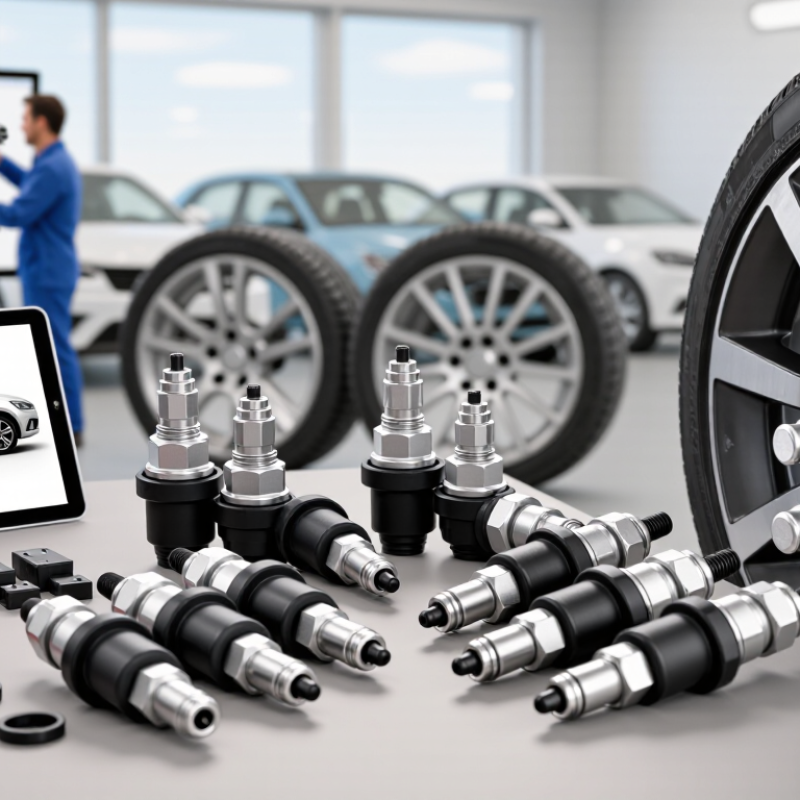
Understanding Valve-Mounted TPMS and How It Works
A valve-mounted TPMS measures tire pressure from a sensor fitted at the wheel’s valve stem. Many direct systems also measure air temperature. The sensor sends readings wirelessly to the vehicle’s display or a separate receiver. That matters. Unlike an indirect system, it measures pressure inside each tire rather than inferring pressure from wheel speed.
The sensor sits inside the wheel, exposed to vibration, heat, and moisture. A correct seal is essential: a damaged grommet or loose valve can cause a slow leak. During installation, a technician should check the valve hardware, tighten it to the specified torque, and balance the wheel if needed. Small details count. Sensor batteries are usually sealed, so a depleted battery may mean replacing the sensor rather than just the cell.
When choosing a system, check that its sensors match your vehicle’s receiver and wheel setup. Ask how the display identifies each tire, and whether replacement sensors need relearning. A warning is useful, but it is not a pressure gauge for every situation. Verify pressure with a reliable handheld gauge when tires are cold, and investigate repeated alerts instead of assuming the sensor is wrong. Even good equipment can have limits.
How to Choose a Valve TPMS in 2026? - Understanding Valve-Mounted TPMS and How It Works
| Selection Dimension | What to Check | Why It Matters | Practical Guidance |
|---|---|---|---|
| Sensor type and location | A direct valve-mounted sensor is fitted inside the wheel and measures tire pressure; many sensors also report temperature. | Direct sensors measure pressure in each equipped tire. The vehicle receives their data wirelessly and displays or alerts on it. | Confirm whether the system uses an internal sensor attached to the valve stem or an external sensor screwed onto the valve. They have different installation and service requirements. |
| Vehicle compatibility | Check the vehicle’s make, model, year, original TPMS specification, and supported sensor protocol. | Sensors that look similar may use different communication protocols or vehicle-specific configuration. | Verify compatibility against reliable vehicle fitment information before purchase; do not rely on appearance alone. |
| Radio frequency and region | Confirm the required radio frequency and regional specification for the vehicle. | TPMS frequencies vary by vehicle and market. A sensor transmitting on an unsupported frequency may not communicate with the vehicle. | Use the vehicle’s specifications or a qualified installer to confirm the correct frequency; do not assume one frequency fits every market. |
| Valve and wheel compatibility | Check the wheel’s valve-hole dimensions, valve-stem type, material, and sensor clearance. | The sensor and valve must fit the wheel and withstand normal tire pressures, road conditions, and installation forces. | Use a compatible valve stem and service parts. Follow the sensor maker’s installation torque and service instructions. |
| Programming and relearn | Find out whether the sensor needs programming, ID registration, or a vehicle-specific relearn procedure. | The vehicle may need to recognize each sensor’s identification code before it can display readings or detect a fault. | Confirm that the required programming or relearn equipment and procedure are available before installation. |
| Battery and service life | Check battery type, whether it is replaceable, and the stated service-life expectations. | Many internal sensors use sealed batteries that are not designed to be replaced separately; battery life varies with use and operating conditions. | When a sensor battery is depleted, the sensor may need replacement. Consider sensor age when changing tires or servicing a wheel. |
| Tire installation and balancing | Allow for tire demounting, careful sensor handling, and wheel balancing when fitting an internal valve-mounted sensor. | The sensor sits inside the wheel, so tire work can damage it if the technician is unaware of its position. | Tell the tire installer that a TPMS sensor is fitted. Have the wheel balanced after tire work as appropriate. |
| Service kit and replacement parts | Check whether seals, nuts, valve cores, caps, or other service parts are replaceable and compatible with the sensor. | Worn or incompatible valve components can contribute to air leaks or damage during service. | Use the correct service parts for the sensor and valve type, and follow the specified replacement intervals and procedures. |
| Pressure alerts and readings | Understand whether the system provides individual tire readings, a warning light, or both. | Display features differ between vehicles and TPMS configurations. A warning system is not a substitute for routine pressure checks. | Set tire pressure according to the vehicle placard or owner’s manual, and check pressure with a suitable gauge when tires are cold. |
| Spare tire coverage | Check whether the vehicle’s TPMS monitors the spare tire. | Some vehicles monitor only the tires in use; spare-tire monitoring is vehicle-specific. | Consult the owner’s manual to confirm which wheels are monitored and how a spare tire is handled. |
Selection tip: Confirm vehicle fitment, frequency, valve compatibility, and programming requirements before buying. Follow the vehicle owner’s manual for tire-pressure targets and TPMS procedures.
Related Posts
-
What Are the Best Tire Pressure Sensors for Your Vehicle?
-
What Is a Control Tire and How Does It Work?
-

10 Best Tire Sensors for Enhanced Safety and Performance in 2023
-
China Top 10 TPMS Tire Pressure Monitoring System Suppliers?
-

Top 5 TPMS Service Kit Solutions for Global Buyers?
-

Top 10 Air Pressure Monitoring Systems for Global Buyers?