What Is a Dill TPMS Sensor and How Does It Work?

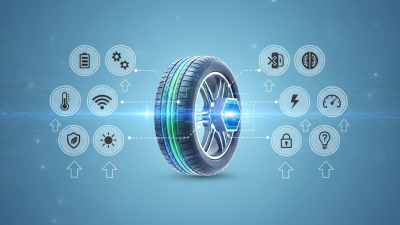
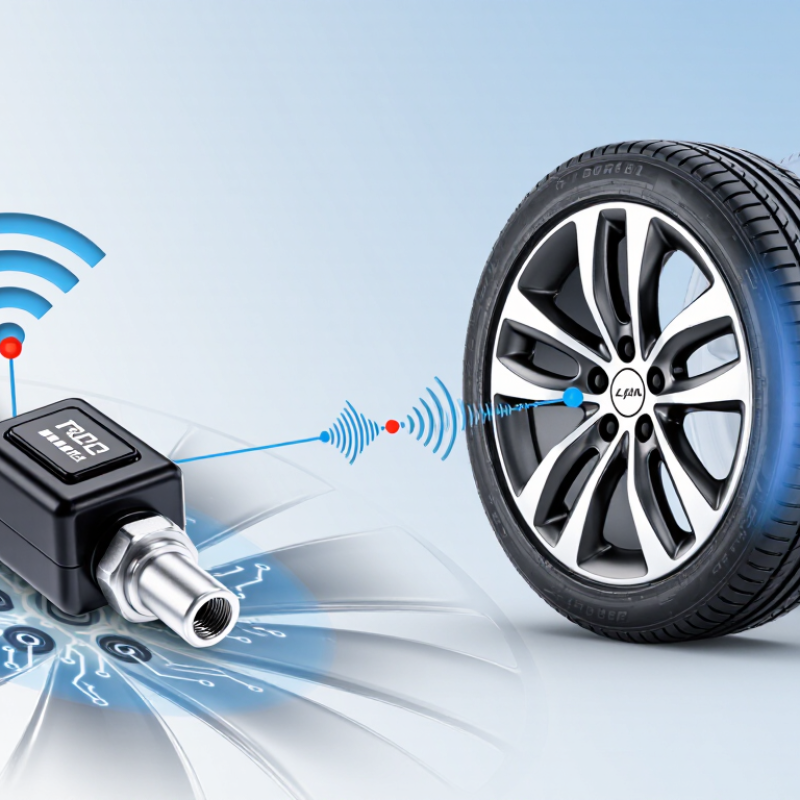
A dill tpms sensor helps a vehicle detect changes in tire pressure while driving. TPMS means tire pressure monitoring system. In a direct system, a small electronic sensor sits inside each wheel, often attached to the valve stem. It measures air pressure and may also track temperature, then sends readings wirelessly to the vehicle. If pressure falls beyond the vehicle’s programmed limits, a dashboard warning can alert the driver.

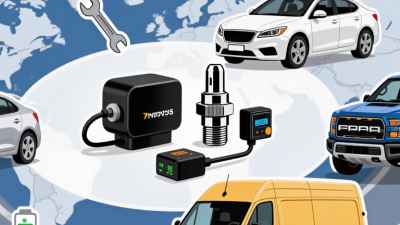
The details matter. Sensor design, radio frequency, and programming requirements can vary by vehicle and model year. Some replacement sensors need programming before installation; others may arrive ready for a specific application. After fitting a sensor, the vehicle may also need a relearn procedure so it recognizes the new unit. A warning light that stays on does not always mean the tire is simply low. The sensor could have a weak battery, incorrect fitment, or a communication problem.

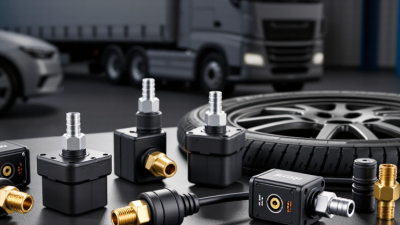
Small parts. Important job. A practical check begins with the vehicle’s owner’s manual and the sensor’s verified application details. A tire professional can confirm compatibility before mounting the tire, when access is easier and mistakes are less costly. Do not rely on appearance alone; two sensors can look nearly identical but use different electronics. And pressure readings are not a substitute for checking tires with a reliable gauge. The system is useful, but it is not infallible. Understanding what a dill tpms sensor measures—and what it cannot guarantee—makes replacement decisions clearer and everyday tire checks more dependable.
What Is a Dill TPMS Sensor and How Does It Work?

What a DILL TPMS Sensor Is

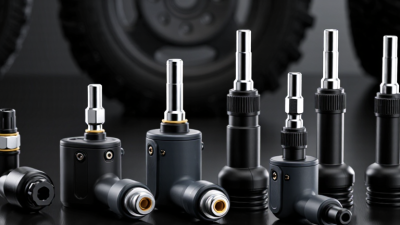
A DILL TPMS sensor is a tire-pressure monitoring sensor fitted to a vehicle’s wheel. It measures air pressure and sends readings wirelessly to the vehicle’s monitoring system. Depending on the sensor and vehicle, it may also report tire temperature. Many sensors sit inside the tire, attached to the valve stem or wheel. As the wheel turns, the sensor’s battery-powered transmitter sends data to the car. If pressure falls below the vehicle’s set threshold, a warning light may appear on the dashboard. The exact display and warning behavior vary by vehicle.

Tips: Check your owner’s manual for the correct sensor type and recommended tire pressure. After replacing a sensor, the vehicle may need a relearn procedure. A warning does not always mean a puncture; temperature changes can also affect pressure. Check with a reliable gauge.

Fit matters. Sensor shape, frequency, valve design, and vehicle compatibility can differ, even when two units look nearly identical. A poor match may fail to communicate or may trigger a warning. I should note that “DILL TPMS sensor” can refer to different compatible products, so the name alone does not confirm fitment. Read the part details and verify them against your vehicle before installation.

What Is a TPMS Sensor and How Does It Work? — What a TPMS Sensor Is
Feature What It Is How It Works
Sensor type A direct tire pressure monitoring system (TPMS) sensor. It measures pressure inside an individual tire and sends the reading to the vehicle’s TPMS receiver.
Typical location Usually mounted inside the wheel, commonly attached to the valve stem or secured to the wheel. Its position lets it monitor the air pressure within the tire. The exact design depends on the vehicle and wheel setup.
Pressure measurement An electronic pressure-sensing element. The sensor converts tire pressure into an electronic reading that can be transmitted to the vehicle.
Other measurements Many designs also measure tire temperature and detect movement or rotation. Additional measurements can help the system decide when to transmit data. Available features vary by sensor design.
Wireless communication A battery-powered radio transmitter. It sends coded readings wirelessly to the vehicle. Radio frequencies vary by market and vehicle; 315 MHz and 433 MHz are common examples.
Vehicle display and warning The TPMS receiver and dashboard warning system. The vehicle processes the transmitted readings and can illuminate a warning when pressure is significantly below the vehicle’s specified level.
Power source and service life An internal battery, often sealed within the sensor assembly. Battery life varies with use, temperature, and sensor design. Many sensors last several years; when a sealed battery is depleted, the sensor assembly is generally replaced.
Important limitation A monitoring aid, not a substitute for tire checks. Check tire pressure with a gauge when tires are cold and follow the pressure listed on the vehicle placard or in the owner’s manual.

The Main Components of a DILL TPMS Sensor

The Main Components of a TPMS Sensor

A direct tire-pressure monitoring sensor sits inside the wheel, often attached to the valve stem. Its pressure-sensing element measures the air pressure around it. Many units also monitor temperature, since heat can affect pressure readings. Small details matter: a sensor must stay securely mounted while the wheel spins and vibrates.

A circuit board processes the measurements and prepares them for transmission. A compact battery powers the electronics, while a radio transmitter sends readings to the vehicle’s receiver. The housing protects these parts from moisture, dirt, and repeated impacts, though it cannot prevent every kind of damage. If a reading seems inconsistent, a weak battery, poor fit, or changing tire temperature may be involved. The cause is not always obvious from the dashboard alone.

Tips: Check the vehicle’s recommended tire pressure with a reliable gauge when the tires are cold. Don’t assume a warning means the sensor has failed; pressure changes are often the simpler explanation. During tire service, ask for careful handling around the valve area. A small crack or loose fitting can cause trouble later.

How the Sensor Measures Tire Pressure and Temperature

A direct tire-pressure monitoring sensor sits inside the wheel, often attached to the valve stem. It measures air pressure with a small pressure-sensitive component and records temperature with a built-in thermistor. The two readings help the vehicle’s monitoring system interpret changing tire conditions.

Pressure changes as air warms or cools. After a long drive, a tire may show higher pressure than it did in the morning, even without added air. The sensor detects the current conditions, then sends a coded radio signal to the vehicle. Readings are not always instant; a brief delay can occur while the system updates. That matters.

Temperature is useful context, but it does not replace a pressure check. For a reliable comparison, check tires when they are cold and follow the vehicle’s recommended pressure, usually listed on its door-jamb placard. A warm tire reading can be misleading if treated as a cold reading. Sensors can also need time to report after a tire rotation or service. Small details, easily missed.

How Sensor Data Reaches the Vehicle’s TPMS

A direct TPMS sensor sits inside each wheel, often attached to the valve stem or rim. As the tire turns, it measures internal air pressure and may record temperature. A small radio transmitter sends coded readings and a unique sensor ID to the vehicle’s receiver. Not a continuous conversation. Many systems transmit at intervals or after pressure changes, while the receiver listens for valid messages. Exact timing and radio frequencies vary by vehicle design.

The receiver passes readings to the TPMS control unit, which matches each sensor ID to a wheel position and checks pressure against programmed limits. If pressure stays low, the unit requests a dashboard warning; some vehicles also display individual tire readings. NHTSA’s Federal Motor Vehicle Safety Standard No. 138 sets a warning threshold at 25 percent below the placard pressure. It also specifies warning response time: within 20 minutes under the standard’s test conditions. Signals may be delayed by a weak sensor battery, radio interference, or a wheel position the system has not relearned. The dashboard is an interpretation, not a live view of every tire. That distinction matters.

What Is a TPMS Sensor and How Does Its Data Reach the Vehicle?

Illustrative tire-pressure readings transmitted by in-tire sensors to the vehicle’s TPMS receiver.

Each sensor measures tire pressure and typically temperature, then sends a radio-frequency signal. The vehicle’s receiver and TPMS system interpret the data and display readings or warnings. Sample values are illustrative, not a recommended pressure specification.

Sensor Compatibility, Installation, and Maintenance

A direct TPMS sensor is mounted inside the wheel, often attached to the valve stem. It measures tire pressure and sends readings to the vehicle’s receiver. Compatibility is not just a matter of physical fit: sensor frequency, communication protocol, valve design, and vehicle-specific relearn steps must match. NHTSA’s 2005 rulemaking analysis found that vehicles equipped with TPMS were 55.6% less likely to have a tire at least 25% below its recommended pressure. The alert helps, but it is not a substitute for routine checks.

Before installation, confirm the correct sensor specification using reliable vehicle service information. A tire technician should inspect the valve area, replace damaged sealing parts, and tighten components to the specified torque. After mounting, the vehicle may need a relearn procedure so it recognizes each sensor’s position and signal. A missed step can leave a warning light on, even when the tires look fine. Easy to overlook.

55.6% less likely to have a tire at least 25% below its recommended pressure.

Sensor batteries are generally sealed, so a depleted battery usually means replacing the sensor. Ask for a pressure and warning-light check during tire service, and replace damaged sensors rather than relying on appearance alone. DOE estimates that each 1 psi drop across all tires can reduce fuel economy by about 0.2%. Still, TPMS alerts may arrive only after pressure has fallen substantially; check pressures with a gauge when tires are cold. The habit matters.