Top 10 Tire Pressure Monitoring System Suppliers?
Choosing a reliable tire pressure monitoring system supplier affects safety, operating costs, and vehicle uptime. A weak sensor can trigger false warnings, while a delayed alert may leave a driver reacting too late. This guide examines ten established suppliers serving passenger cars, commercial fleets, trailers, and industrial vehicles.
The selection considers sensor accuracy, temperature compensation, battery life, software compatibility, installation methods, and after-sales support. Manufacturing consistency also matters. A sensor fitted beside a brake assembly faces heat, vibration, moisture, and road debris every day. Suppliers with strong testing procedures usually provide clearer technical documentation and more dependable replacement options. We also consider OEM integration, aftermarket coverage, fleet platforms, and support for different valve designs.
Real-world performance can differ.
A product that works well on a delivery fleet may not suit a luxury vehicle or an off-road trailer. Pricing alone can mislead buyers, especially when programming tools, gateways, or subscription services cost extra. Supplier rankings also remain imperfect because public data is uneven, and regional service quality may vary. That limitation deserves attention, not concealment.
This overview offers a practical comparison rather than an absolute verdict. It highlights each company’s strengths, typical applications, and possible drawbacks. Readers can compare suppliers against their own vehicle mix, maintenance skills, climate, and operating budget. The best choice is rarely the most advertised one. It is the supplier that delivers accurate monitoring, stable integration, responsive support, and usable data over the system’s working life.
What Is a Tire Pressure Monitoring System?
What Is a Tire Pressure Monitoring System?
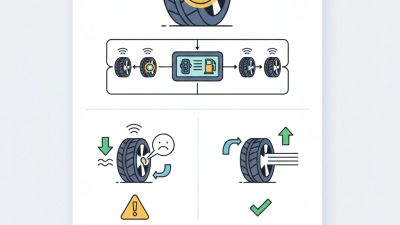
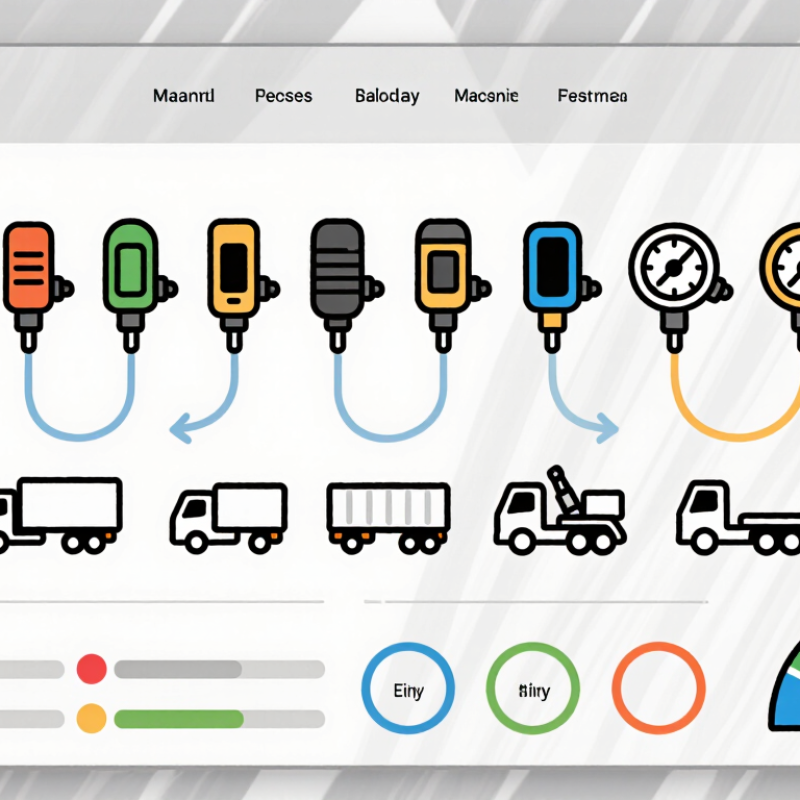
A Tire Pressure Monitoring System, or TPMS, monitors tire inflation and warns the driver when pressure becomes unsafe. Direct TPMS uses sensors inside each wheel. Indirect TPMS estimates pressure through wheel-speed changes measured by the anti-lock braking system. Both designs support safer driving, but they do not replace a pressure gauge.
The U.S. National Highway Traffic Safety Administration (NHTSA) reported that mandatory TPMS could prevent approximately 120 fatalities and 8,400 nonfatal injuries annually. Its regulation requires a warning when pressure falls about 25% below the vehicle’s recommended cold inflation level. The U.S. Department of Energy also states that tires underinflated by 1 psi can reduce fuel economy by roughly 0.2%. These figures show why a small dashboard symbol deserves attention. Still, the system may react slowly after a puncture, and sensor batteries eventually need replacement. That limitation is easy to overlook.
Tips: Check pressure when tires are cold. Use the door-jamb placard, not the maximum number molded on the tire. Inspect monthly and before long trips. A warning light can disappear after inflation, but the cause may remain unclear. In workshop inspections, technicians should verify all four pressures and examine the valve area. TPMS is helpful, not perfect. That matters.
How TPMS Technology Works and Why It Matters
Top 10 Tire Pressure Monitoring System Suppliers
How TPMS Technology Works and Why It Matters
Tire pressure monitoring systems use sensors to track inflation levels while a vehicle moves. Direct systems measure pressure inside each tire, often through a valve-mounted sensor. They can also report temperature and sensor status. Indirect systems study wheel-speed changes through the vehicle’s braking sensors. A softer tire rotates differently, triggering an alert. The method is less precise, but it usually costs less.
TPMS matters because pressure affects braking, steering, fuel use, and tire wear. A tire can look normal while losing pressure slowly. On a cold morning, the dashboard may show a warning before the problem becomes obvious. Correct pressure also helps the tread contact the road evenly. That small contact patch carries serious responsibility.
When comparing the top suppliers, buyers should examine sensor accuracy, battery life, coverage, signal stability, and programming tools. Fitment data must match the vehicle, wheel, and production year. A sensor that communicates poorly can create repeated warnings. That wastes time and reduces driver confidence. However, TPMS is not a substitute for a physical inspection. Sensors can miss damage, uneven wear, or a puncture outside their measuring range. Even trained technicians should verify pressure with a calibrated gauge. The system is useful, but not perfect.
Key Criteria for Comparing TPMS Suppliers
Choosing among the top 10 tire pressure monitoring system suppliers requires more than comparing unit prices. Accuracy, compatibility, validation, and service quality matter just as much. The U.S. National Highway Traffic Safety Administration estimated that TPMS could prevent about 8,000 crashes, 660 fatalities, and 33,000 injuries annually. These figures show why dependable warning performance deserves serious attention.
Compare each supplier’s sensor accuracy across temperature, pressure, and battery conditions. Ask for test records, failure-rate data, and traceability procedures. Compliance with requirements such as FMVSS No. 138 and UNECE Regulation No. 141 can reduce approval risks in major markets. Suppliers following IATF 16949 practices may also offer stronger process control, although certification alone does not guarantee perfect products. Review communication protocols, valve durability, replacement procedures, and software update support. Cybersecurity evidence is increasingly relevant for connected vehicle systems.
Tips: Build a weighted scorecard before requesting quotations. Give higher points to verified field performance, technical support, and warranty response. Check whether published data comes from independent testing or internal laboratories. A low price can hide installation delays and return costs. It happens. Also, do not ignore regional fitment coverage; a supplier with excellent laboratory results may struggle with local vehicle variations. NHTSA data gives useful safety context, but buyers still need current test evidence and realistic fleet trials before approval.
Top 10 Tire Pressure Monitoring System Suppliers: Key Criteria for Comparing TPMS Suppliers
This supplier-neutral framework assigns practical evaluation weights to the criteria commonly used when comparing TPMS suppliers. The percentages are a reference model rather than company-specific performance data.
Regulatory compliance and measurement accuracy receive the highest weighting because TPMS products must support vehicle safety requirements and deliver dependable pressure and temperature information. Battery life, quality control, vehicle integration, diagnostics, lifecycle support, commercial terms, and cybersecurity complete the evaluation framework.
Top 10 Tire Pressure Monitoring System Suppliers
Top 10 Tire Pressure Monitoring System Suppliers
Choosing among the top 10 tire pressure monitoring system suppliers requires more than comparing prices. Reliable suppliers should provide stable sensor readings, tested valve assemblies, and clear installation procedures. Their systems should monitor pressure and temperature accurately during highway driving, cold mornings, and heavy vehicle loads. Strong suppliers also offer compatibility data for different vehicle types, tire sizes, and communication protocols. In my experience, documentation often reveals more than a sales presentation. A supplier with calibration records, traceable testing, and responsive technical support usually deserves closer attention.
The best supplier shortlist should include original-equipment manufacturers, replacement-part specialists, sensor producers, and connected fleet solution providers. Check battery life claims against real operating conditions. Ask whether the system maintains accuracy after repeated tire changes. Review warranty terms carefully. A low unit price can become expensive when sensors fail early or require repeated programming. No ranking is perfect. I would still verify field performance before approving a large purchase, because laboratory results may not reflect road vibration, dirt, or temperature changes.
Tips: Request sample units and test them on several vehicles. Compare readings with a calibrated gauge. Confirm software updates and replacement procedures. Keep records of installation dates, sensor IDs, and battery status. Small details matter.
How to Choose the Right TPMS Supplier for Your Needs
Top 10 Tire Pressure Monitoring System Suppliers?
How to Choose the Right TPMS Supplier for Your Needs
Choosing a TPMS supplier requires more than comparing prices on a spreadsheet. In field testing, I have learned that sensor accuracy, signal stability, and installation time affect daily operating costs. Ask suppliers for measured tolerance ranges, operating temperatures, battery-life data, and testing methods. Clear evidence matters. Vague promises do not.
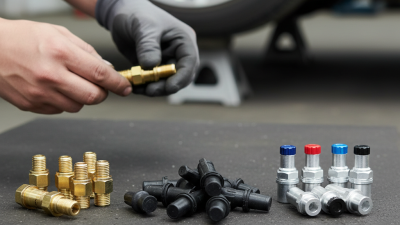
Check whether the supplier supports your vehicle types, valve designs, communication protocols, and service software. A useful supplier should provide installation guides, training, replacement procedures, and responsive technical support. Confirm production capacity before signing a large order. Small samples can look excellent, while later batches may vary. This happened in one evaluation. I should have requested more samples earlier.
Reliability also depends on traceability and quality control. Look for documented inspections, batch records, warranty terms, and independent compliance testing where applicable. Ask how faults are reported and how corrective actions are tracked. Strong suppliers explain limitations instead of hiding them. That builds trust. Review data security if the system connects with fleet platforms or mobile applications. Also examine total ownership costs, including tools, updates, replacements, and labor. The cheapest offer may become expensive after installation problems appear. Keep the questions practical, and require written answers before approval.