Why Are TPMS Sensors Important for Global Buyers?
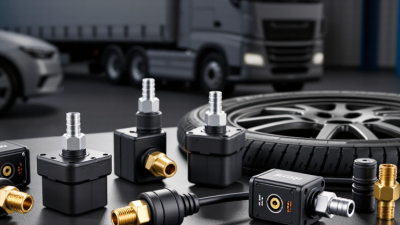
For global buyers, tpms sensors are more than small components inside a vehicle wheel. They monitor tire pressure and temperature, helping drivers notice unsafe pressure changes earlier. A sensor may look simple, but its performance depends on vehicle compatibility, communication protocols, valve design, and battery quality. Small details matter. A mismatched sensor can create dashboard warnings, installation delays, and costly returns.
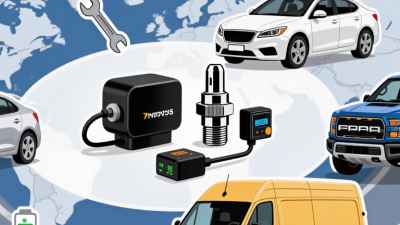
Experienced procurement teams usually verify original equipment compatibility before placing large orders. They review frequency, programming methods, operating temperature, sealing materials, and expected battery life. They also request test reports, sample units, and traceable production information from suppliers. Regional requirements can differ, so buyers should confirm applicable vehicle and product standards with qualified compliance professionals. Documentation is useful, but physical testing remains important. A sensor that works on a test bench may behave differently during winter transport or long-distance driving.
Reliability is not guaranteed by a low price. It comes from consistent manufacturing, clear quality controls, and responsive technical support. Suppliers should explain inspection procedures instead of offering vague promises. Buyers can also compare failure rates, warranty terms, packaging protection, and replacement processes. No sourcing plan is perfect. Some specifications may be unclear, especially for older or imported vehicles. That uncertainty deserves careful review, not guesswork. For global purchasing, tpms sensors should be evaluated as safety-related equipment, supply-chain products, and long-term service commitments. This balanced view helps buyers reduce avoidable risks while making decisions based on evidence rather than marketing language.
What Are TPMS Sensors and How Do They Work?
For global buyers, a TPMS sensor is a small electronic device mounted inside a vehicle wheel. It measures tire pressure and temperature in real time. A built-in transmitter sends this data to the vehicle’s receiver or control unit. When pressure falls below a set limit, the dashboard displays a warning. Some vehicles use indirect TPMS, which estimates pressure through wheel-speed changes. The two systems work differently.
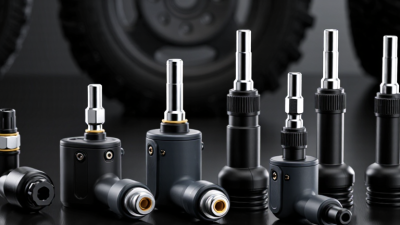
During practical inspections, technicians check the sensor body, valve stem, seal, and battery condition. The sensor must tolerate vibration, moisture, temperature changes, and road salt. A sensor may fit the wheel but still fail to communicate with the vehicle. Communication frequency and protocol must match. After installation, the system may require relearning or calibration. Tire pressure also changes with weather, so one reading should not be treated as a permanent diagnosis.
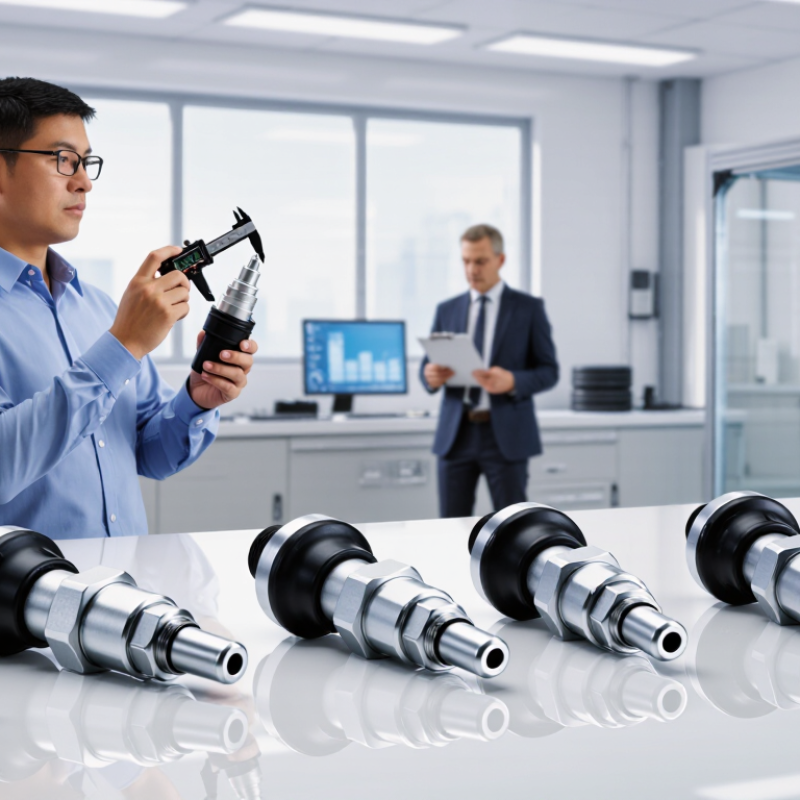
Global buyers should request pressure range, measurement accuracy, operating temperature, protection rating, and expected service life. Batch traceability and clear installation instructions improve reliability. Certification requirements vary between markets, so local compliance should be verified before shipment. A low purchase price can hide weak seals or inconsistent readings. Still, specifications do not tell the whole story. Field testing matters. The process is not flawless. Even a quality sensor can fail after poor installation, damaged valves, or an overlooked battery limit.
| Data Dimension | Direct TPMS | Indirect TPMS | Importance for Global Buyers |
|---|---|---|---|
| Pressure Measurement Method | A pressure sensor measures tire pressure directly inside each wheel. | The vehicle uses wheel-speed and other available data to identify changes in tire rolling behavior. | The technology affects accuracy, service procedures, vehicle compatibility, and product positioning. |
| Main Components | Pressure sensor, temperature sensor, electronic control unit, wireless transmitter, and battery. | Wheel-speed sensors, electronic control unit, and vehicle software; dedicated pressure sensors are generally not required. | Component count influences cost, replacement demand, installation time, and inventory planning. |
| Information Provided | Usually provides individual tire pressure and, on many systems, tire temperature and sensor status. | Normally provides a low-pressure warning but does not directly display the measured pressure of each tire. | More detailed information can support preventive maintenance and reduce roadside failures. |
| Typical Sensor Location | Mounted on the valve stem or secured inside the tire with a strap or bracket. | No dedicated pressure sensor is normally installed inside the tire. | Wheel design, valve-stem dimensions, and mounting method must be checked before purchasing. |
| Common Wireless Frequencies | 315 MHz and 433.92 MHz are commonly used frequency families, depending on vehicle market and local regulations. | Generally does not require a dedicated wireless pressure-sensor frequency. | Frequency, protocol, and regional radio requirements must be verified before cross-border sales. |
| Power Supply | Most integrated sensor batteries are sealed and non-rechargeable. | The system mainly uses the vehicle electrical system and existing wheel-speed sensors. | Battery type, shelf life, and end-of-life replacement requirements affect after-sales planning. |
| Typical Battery Service Life | Approximately 5–10 years is common, depending on usage, temperature, transmission frequency, and battery design. | No dedicated in-wheel TPMS battery is normally required. | Service-life expectations should be stated clearly because sealed batteries usually require sensor replacement when depleted. |
| Pressure Display Capability | Can provide real-time or near-real-time pressure data when supported by the vehicle display. | Usually identifies a pressure-related deviation rather than displaying absolute pressure. | Display capability is important for commercial vehicles, safety-focused fleets, and maintenance programs. |
| Calibration or Reset Requirement | A sensor ID registration, relearn, or programming procedure may be required after replacement or tire rotation. | A system reset or calibration may be required after correcting tire pressure or changing tires. | Required tools and procedures should be confirmed to avoid installation errors and customer complaints. |
| Warning Threshold | Many regulated systems are designed to warn when pressure falls substantially below the vehicle placard value; a 25% reduction is a common regulatory benchmark in some markets. | Warning behavior depends on changes in wheel speed, rolling radius, and the vehicle software strategy. | Warning thresholds are not identical worldwide, so local vehicle regulations and approval requirements must be checked. |
| Key Safety Contribution | Helps identify underinflation before it contributes to overheating, uneven wear, reduced handling, or tire failure. | Helps alert drivers to pressure loss without adding a pressure sensor to every wheel. | Correct tire pressure supports vehicle control, tire durability, fuel efficiency, and road safety. |
| Main Purchasing Risks | Incorrect frequency, protocol, valve type, sensor ID, pressure unit, or relearn procedure can cause incompatibility. | Incorrect vehicle software assumptions, calibration procedures, or wheel-speed sensor conditions can cause false warnings. | Vehicle coverage, regulatory approval, testing documentation, packaging, and technical support should be reviewed before purchase. |
| Best Fit for Buyers | Buyers needing individual pressure data, replacement sensors, fleet monitoring, or detailed maintenance information. | Buyers prioritizing a lower-component system and compatibility with vehicles designed for indirect monitoring. | The correct choice depends on vehicle design, destination market, compliance requirements, service capability, and total operating cost. |
| Note: Specifications and regulatory requirements vary by vehicle model, production year, destination market, and local legislation. The values above describe common industry characteristics and should be verified against the applicable vehicle documentation and regional standards before purchase. | |||