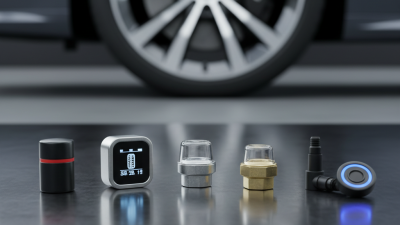
A tire can lose pressure while a vehicle sits overnight, picks up a nail, or carries a heavy load. The change may be hard to spot from the driver’s seat. That matters. Underinflated tires can affect handling, braking, fuel use, and tire wear; the exact effects depend on the vehicle and driving conditions. A tpms system monitors tire pressure and alerts the driver when pressure falls below a set threshold. Some vehicles show individual tire readings, while others provide only a warning light. Check the owner’s manual.
Still, a pressure warning is not a diagnosis. Temperature changes can trigger alerts, and a puncture may cause pressure to fall quickly. When the warning appears, stop somewhere safe and inspect the tires. Use a pressure gauge to confirm the reading when possible. Follow the recommended pressure on the vehicle placard or in the manual, not the maximum pressure printed on the tire sidewall. A TPMS supports routine checks; it does not replace them. That distinction is easy to forget. Understanding what the system can—and cannot—tell you helps explain its value in everyday driving. This article explores how TPMS works, what its warnings mean, and when manual tire checks still matter.
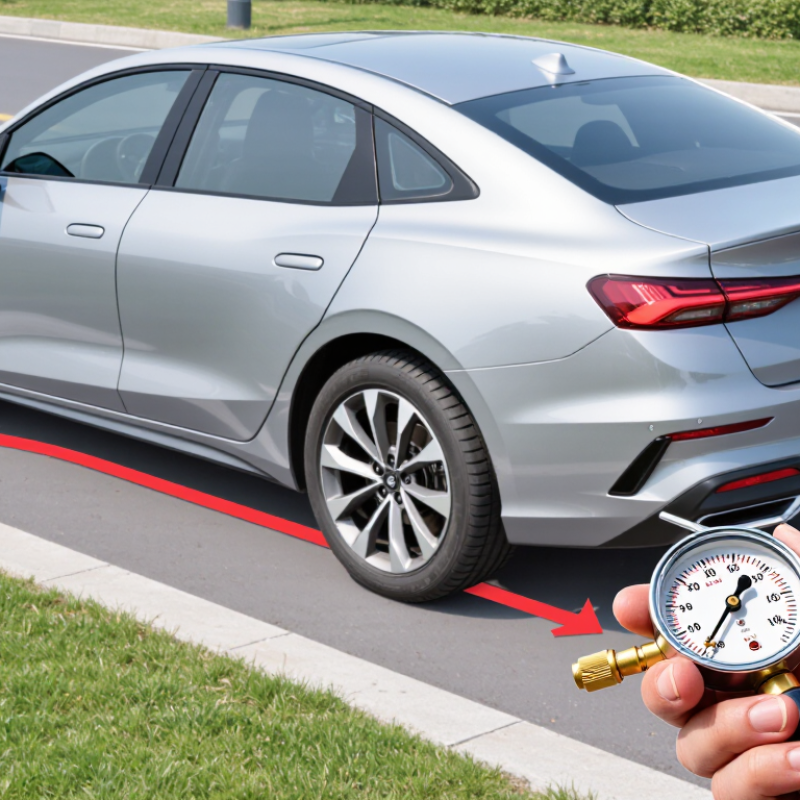
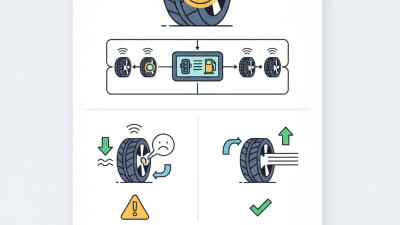
A tire pressure monitoring system watches for pressure that has fallen below a specified threshold. In a direct system, sensors inside the wheels measure pressure and send data to the vehicle. Some systems show readings for each tire; others only display a warning. An indirect system uses wheel-speed sensors to spot patterns that may indicate a low tire. It estimates rather than measures pressure directly. A dashboard alert can appear after a tire loses air, but it may not identify the cause or show the exact pressure.
Cold weather can lower tire pressure, while a slow puncture may take longer to trigger a warning. That matters. If the light comes on, stop somewhere safe and inspect the tires. Use a gauge when the tires are cold, and compare the readings with the vehicle’s door-jamb label—not the maximum pressure printed on the tire. A TPMS may not warn about every leak or tire problem, and it does not replace regular checks. A warning is not a diagnosis. Some systems also need time to update after pressure is corrected, so check the owner’s manual for the vehicle-specific procedure.
Why Do You Need a TPMS System?
How Tire Pressure Affects Safety and Vehicle Performance
Tire pressure changes how much rubber meets the road. When a tire is underinflated, its shoulders flex more with every rotation. That extra movement can build heat, increase wear, and make steering feel sluggish. In an emergency stop, a poorly inflated tire may not respond as predictably as intended. Overinflation can reduce the contact patch, making grip less consistent on rough or wet pavement. Small changes matter. A tire can look normal and still be below its recommended pressure.
A Tire Pressure Monitoring System, or TPMS, alerts drivers when pressure drops significantly. It offers a useful warning, not a full inspection. The alert may appear after pressure has already fallen, and it cannot tell you about every puncture or worn tread. Check pressures with a reliable gauge when tires are cold, then follow the vehicle’s recommended figures. Cold mornings can lower readings; a warm tire may show more pressure after driving. It is tempting to rely only on the dashboard light. That is not enough. Look for cuts, embedded objects, or uneven wear, too.
Incorrect tire pressure can quietly change how a vehicle responds. When pressure is low, more of the tread flexes with each rotation, creating heat and accelerating wear. Braking and steering may also feel less predictable, especially on wet pavement or during a sudden lane change. Overinflation has risks too: the center tread can wear faster, and the ride may feel harsher. Small changes matter.
NHTSA recorded 646 deaths in tire-related crashes in 2022. That figure does not isolate pressure as the cause, but it shows why tire condition deserves attention. The U.S. Department of Energy says each 1-psi drop below recommended pressure can reduce fuel economy by about 0.2%. A TPMS warning gives drivers a useful prompt, but it may not identify which tire is wrong or how urgently it needs attention. The signal is limited.
Check pressure when tires are cold, using the vehicle placard rather than the tire sidewall’s maximum. It is easy to postpone this check; that small delay can become an expensive guess.
Why Do You Need a TPMS System?
How TPMS Detects and Reports Pressure Problems
A tire pressure monitoring system, or TPMS, watches for pressure loss while you drive. Direct systems use sensors inside the wheels to measure air pressure and send readings to the vehicle. Indirect systems compare wheel speeds through the anti-lock braking sensors. An underinflated tire has a slightly different rolling circumference. The dashboard warning light alerts the driver when the system detects a significant problem. Some systems also show individual tire readings, which can help pinpoint the affected wheel.
The warning has limits. It may not identify a slow leak early, and temperature changes can alter pressure readings. A light is not a diagnosis. Check the tires with a reliable gauge when they are cold, then compare readings with the vehicle’s placard. NHTSA’s Federal Motor Vehicle Safety Standard 138 generally requires a warning when a tire is substantially underinflated, commonly around 25 percent below the recommended cold pressure. That threshold is not a substitute for regular checks.
The benefit is measurable. In a 2008 evaluation, the National Highway Traffic Safety Administration found that TPMS-equipped vehicles were 55.6 percent less likely to have a severely underinflated tire than vehicles without the system. The study supports TPMS as a useful early alert, not a guarantee against tire trouble. A warning light can be easy to ignore, especially when the car still feels normal. That is worth reconsidering: pressure loss may not be obvious from the driver’s seat.
| Topic | What TPMS Detects or Reports | How It Works | What the Driver Should Do |
|---|---|---|---|
| Low tire pressure | A warning when tire pressure falls below the vehicle’s programmed warning threshold. Some vehicles identify the affected tire or display its pressure. | A direct system measures pressure with sensors in the wheels. An indirect system uses wheel-speed data to detect changes in tire rolling behavior. | Check all tires with a reliable gauge and inflate them to the vehicle maker’s recommended cold pressure, shown on the vehicle’s tire-information label or in its owner’s manual. |
| Sudden pressure loss | A warning may appear if pressure drops enough to meet the system’s alert criteria. TPMS is not a substitute for noticing a puncture or handling problem. | Direct sensors can report changing pressure; indirect systems infer a problem from wheel behavior. Detection speed and warning details vary by vehicle and system. | If the vehicle feels unstable or a tire looks damaged, slow down safely and stop in a safe place. Inspect the tire and arrange repair or assistance as needed. |
| Temperature-related pressure changes | A warning can occur when colder conditions reduce tire pressure enough to cross the vehicle’s warning threshold. | Tire pressure generally decreases as air temperature falls and increases as it rises. TPMS reports pressure conditions; it does not adjust tire pressure. | Check pressure when tires are cold and adjust to the vehicle’s recommended specification. Do not use the maximum pressure printed on the tire sidewall as the vehicle’s target. |
| System or sensor issue | A flashing warning light, a system message, or missing pressure readings may indicate a TPMS fault, depending on the vehicle. | Direct-system sensors use batteries and may require service or relearning after wheel or tire work. Indirect systems may need recalibration after pressure adjustments or tire changes. | Check the owner’s manual for the warning’s meaning. Verify pressures manually and have the system inspected if the fault indication remains. |
| Why regular checks still matter | TPMS alerts drivers to certain underinflation conditions, but it may not warn about every pressure change or detect tire damage, tread wear, or incorrect inflation before a warning threshold is reached. | The system monitors pressure directly or infers it from wheel behavior; it does not replace routine tire inspection. | Check tire pressure regularly with a gauge, inspect tires for visible damage and wear, and follow the vehicle maker’s maintenance guidance. |
Note: TPMS features, warning thresholds, and displayed information vary by vehicle. Consult the owner’s manual for system-specific instructions.
A TPMS warning deserves attention as soon as it appears, even if the car still feels normal. A steady light usually indicates that one or more tires are underinflated; a flashing light may signal a TPMS fault. Indicator patterns vary by vehicle, so check the owner’s manual. Act promptly. NHTSA’s 2007 TPMS effectiveness report found that the systems reduced the likelihood of driving with underinflated tires by 55.6%. The warning helps, but it does not replace a pressure check.
When it is safe, park and inspect all four tires, including the one that is easy to overlook. Use a reliable gauge when the tires are cold, then compare readings with the pressure listed on the driver-door placard. Do not use the maximum pressure printed on the tire sidewall as your target. Do not guess. If a tire looks damaged, is losing pressure quickly, or the vehicle pulls or feels unstable, stop in a safe place and seek assistance rather than continuing at speed. If pressure is correct but the warning remains, the system may need inspection. Cold weather can also lower tire pressure enough to trigger a warning. I might be tempted to reset the light and move on; that is exactly when a slow leak can be missed.
Example tire-pressure levels for a tire with a 35 psi placard recommendation
In the U.S., FMVSS 138 sets a TPMS low-pressure warning benchmark based on tire pressure falling 25% below the vehicle placard recommendation, subject to the standard’s activation requirements. For a 35 psi recommendation, 26.25 psi is 25% below that value. This is an example, not a reading from a specific vehicle. If the warning appears, slow down, stop somewhere safe, and check the tires with a pressure gauge; inflate them to the vehicle’s placard specification. If a tire looks damaged or is losing air, avoid driving on it. Check your owner’s manual if the warning flashes or stays on after pressures are corrected.