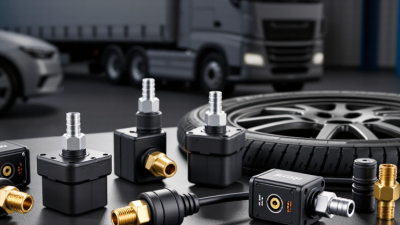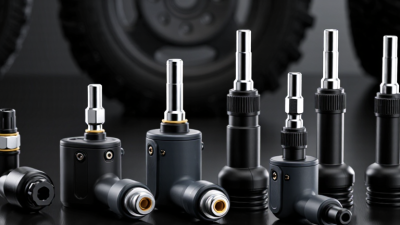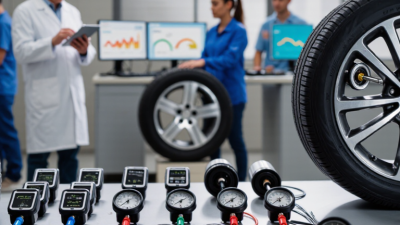
Choosing a reliable China supplier requires more than comparing prices or browsing product photos. A tpms tire pressure monitoring system must deliver accurate readings, stable wireless communication, and dependable performance in changing temperatures. For distributors, vehicle workshops, and automotive brands, supplier selection also affects installation time, warranty costs, and customer trust. This guide introduces key evaluation points for identifying China’s top TPMS suppliers, including manufacturing experience, product certifications, sensor compatibility, and quality-control procedures.
Real supplier strength appears in practical details. Ask whether sensors are tested before shipment, how valve stems resist corrosion, and whether software supports relearning procedures. Request sample units and examine battery life, signal stability, packaging, and technical documents. A serious manufacturer should explain testing methods clearly, not hide behind broad claims. Factory audits, traceable inspection records, and responsive after-sales support provide stronger evidence than a polished website.
Experience still matters. Some suppliers understand original equipment requirements, while others focus on flexible aftermarket solutions. Neither model is automatically better. The right choice depends on vehicle coverage, order volume, target markets, and installation needs. Even experienced buyers can overlook regional frequency requirements or application differences. That deserves a second check. By comparing verified capabilities, communication quality, and long-term service support, readers can build a more informed shortlist of China’s leading TPMS suppliers.

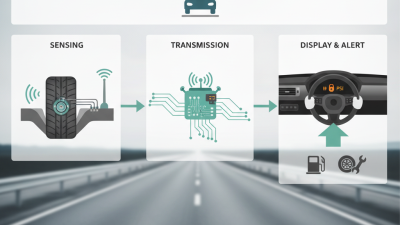
A Tire Pressure Monitoring System, or TPMS, checks whether a vehicle’s tire pressure stays within a safe operating range. Direct TPMS uses small pressure sensors inside the wheels. These sensors send pressure readings to the vehicle’s display. Indirect TPMS estimates pressure through wheel-speed changes measured by the anti-lock braking system.
The warning light may appear after a cold night. Air pressure often drops as temperature falls. A nail can also cause a slow leak that drivers barely notice. When the dashboard warning appears, check all four tires with a reliable pressure gauge. Do not depend only on appearance. A tire can look normal while losing pressure.
TPMS improves driver awareness, but it is not a substitute for regular inspection. Sensors may have weak batteries, incorrect readings, or delayed warnings. After tire rotation or sensor replacement, the system may need relearning. The recommended pressure is usually listed on the driver’s door label, not on the tire sidewall. In practical maintenance, checking pressure monthly works well. Still, busy drivers may forget. That weakness matters. A good system can warn you, but it cannot repair a puncture, detect every tire defect, or replace careful driving.
TPMS products differ mainly by how they measure pressure. Direct systems use a sensor inside each wheel, usually attached to the valve. They report pressure and temperature in near real time. Indirect systems read wheel-speed changes through the anti-lock braking system. They cost less, but calibration can be slower after tire rotation. Hybrid systems combine wheel-speed data with pressure estimation. The distinction is not perfectly clean.
The U.S. National Highway Traffic Safety Administration requires TPMS on most new passenger vehicles under FMVSS 138. Its safety research links underinflation with more than 200 deaths and over 33,000 injuries annually in the United States. These figures explain why reliable sensor communication matters. A 2024 Grand View Research report identifies direct TPMS as the leading technology segment, supported by stricter safety requirements and rising vehicle electronics content.
For buyers comparing Chinese suppliers, product type should guide the audit. Check sensor accuracy, operating temperature, battery life, valve sealing, and compatibility coverage. A useful test includes a cold tire, a hot tire, and a slow pressure change. Ask for test records, not only catalog claims. Aftermarket kits may use external sensors, internal sensors, or a smartphone receiver. External units install quickly. Internal units are better protected from theft and impact. Heavy vehicles need different pressure ranges and stronger signal management. A report provides direction, not certainty. Real installation feedback can still expose weaknesses.
China’s TPMS supplier market is not one uniform group. It includes sensor manufacturers, OEM/ODM integrators, aftermarket kit producers, and software-focused module developers. Sensor specialists typically control pressure sensing, temperature measurement, battery design, and radio communication. OEM/ODM suppliers add mold development, firmware adaptation, packaging, and production scaling. Aftermarket suppliers often focus on valve compatibility, quick installation, and clear displays for workshops. Each category serves a different purchasing risk. That distinction matters.
Experienced buyers should inspect capability, not catalog size. A reliable supplier can show calibration records, sampling plans, traceability data, and environmental test results. Useful tests include heat cycling, vibration, water exposure, low-temperature startup, and long-term battery checks. Field experience also reveals practical weaknesses, such as damaged valve stems or delayed relearning after tire service. Firmware support is equally important. Suppliers should explain protocol options, diagnostic tools, update control, and data security in plain language. Ask for pilot samples. Small batches expose problems early.
Leading suppliers increasingly combine hardware, software, and technical support. They may provide custom frequency configurations, vehicle learning procedures, multilingual manuals, and integration assistance for distributors. Production capability should include automated assembly, end-of-line testing, and documented quality gates. Certifications help, but they do not replace independent validation. No supplier gets every detail right. Some test reports may look impressive while field feedback remains thin. Buyers should compare returned-unit analysis, response times, and corrective-action records before approving a long-term program.
| Supplier Category | Core TPMS Configuration | Main Capabilities | Typical Customers | Customization Scope | Quality and Compliance Focus |
|---|---|---|---|---|---|
| Automotive OEM and Tier Suppliers | Direct TPMS sensors installed inside the wheel, usually integrated with a vehicle receiver and electronic control system. | Vehicle-platform development, sensor hardware design, embedded software, radio communication, validation testing, and production traceability. | Vehicle manufacturers, vehicle electronics integrators, and long-term automotive supply programs. | Communication protocol, valve structure, battery specification, sensor packaging, software functions, and vehicle integration. | Automotive quality management, electromagnetic compatibility, environmental durability, functional safety processes, and applicable market regulations. |
| Aftermarket Direct TPMS Suppliers | Universal or programmable in-wheel sensors that measure tire pressure and temperature and transmit data wirelessly. | Multi-vehicle compatibility, sensor programming, relearn support, replacement sensor production, and aftermarket packaging. | Automotive parts distributors, tire dealers, repair shops, fleet maintenance providers, and online sellers. | Valve materials, sensor ID programming, operating frequency, label design, packaging, firmware, and service-tool compatibility. | Wireless performance, pressure and temperature accuracy, battery life, sealing performance, relearn reliability, and regional radio requirements. |
| External Valve-Mounted TPMS Suppliers | Sensors attached to the outside of the tire valve stem, allowing installation without removing the tire. | Fast installation, replaceable batteries, sensor pairing, anti-theft features, and compact receiver or display development. | Passenger-car owners, recreational vehicle users, tire service businesses, and small commercial fleets. | Valve adapter design, display interface, alarm thresholds, battery access, enclosure materials, and packaging formats. | Water resistance, mechanical retention, impact resistance, sensor balance, wireless stability, and protection against unauthorized removal. |
| Indirect TPMS Solution Providers | Software-based monitoring that estimates abnormal tire pressure through wheel-speed or related vehicle signals rather than measuring pressure directly. | Algorithm development, electronic control unit integration, calibration, warning logic, and vehicle network communication. | Vehicle electronics developers and manufacturers seeking integrated chassis or brake-control functions. | Detection algorithms, calibration parameters, warning thresholds, diagnostic functions, and vehicle network interfaces. | Algorithm robustness, false-warning control, sensor-data validation, diagnostic compliance, and performance under different tire conditions. |
| Fleet and Commercial Vehicle TPMS Providers | Direct sensors combined with a cab display, gateway, or cloud platform for monitoring multiple tires and vehicles. | Multi-axle monitoring, trailer support, data logging, remote alerts, fleet dashboards, and maintenance reporting. | Logistics operators, bus companies, heavy-duty vehicle fleets, trailer operators, and service contractors. | Number of monitored wheels, gateway type, alert rules, cellular or short-range connectivity, dashboard design, and data retention. | Continuous data availability, sensor durability, temperature range, communication coverage, cybersecurity controls, and fleet reporting accuracy. |
| TPMS Receiver and Diagnostic Tool Manufacturers | Handheld programmers, vehicle receivers, relearn tools, and workshop equipment used with direct TPMS sensors. | Sensor activation, ID reading, cloning, relearn procedures, fault diagnosis, firmware updates, and workshop data management. | Tire retailers, repair centers, vehicle service networks, distributors, and technical training organizations. | Vehicle database coverage, user interface, language options, wireless protocols, software update methods, and private-label enclosure design. | Measurement reliability, database accuracy, software security, update stability, radio compliance, and compatibility testing. |
| Electronic Manufacturing and ODM Partners | Customer-defined TPMS sensors, receivers, displays, gateways, or complete monitoring kits manufactured to an approved design. | PCB assembly, surface-mount production, plastic molding, final assembly, calibration, testing, packaging, and supply-chain coordination. | International distributors, automotive accessory companies, technology developers, and private-label product owners. | Bill of materials, enclosure, firmware loading, test fixtures, packaging, production quantity, labeling, and delivery configuration. | Incoming-material control, process inspection, end-of-line testing, calibration records, change control, and batch traceability. |
For China-based TPMS suppliers, compliance should begin with the target market, not the factory brochure. GB 26149-2017 defines performance and test methods for passenger-car tire pressure monitoring systems in China. Export programs may also require UNECE R141, FMVSS 138, and UNECE R10 electromagnetic compatibility approval. These rules address warning speed, detection accuracy, radio performance, and resistance to electrical interference.
Small errors matter. The NHTSA TPMS effectiveness evaluation reported 55.6% fewer severely underinflated tires in vehicles equipped with TPMS. Suppliers should therefore provide traceable pressure and temperature test data, not only sample screenshots. Ask for test conditions, sensor tolerances, battery-aging results, valve leakage checks, and warning activation records. A useful production file links each sensor batch to calibration equipment and final inspection results.
Look beyond certificates. IATF 16949-based controls can support process consistency, while ISO 26262 methods help assess safety-related electronic functions. Cybersecurity evidence should address unauthorized wireless commands and software-update control. Suppliers should also demonstrate EMC testing under realistic vehicle conditions, including engine-start voltage changes. Certificates can expire. Test samples can be unusually perfect. I would still request third-party laboratory reports, failure-rate data, and at least one controlled audit of the assembly line. Reliability is built in production, not printed on paper.
Choosing a Chinese TPMS supplier requires more than comparing online prices. In field evaluations, I examine sensor accuracy, valve durability, battery stability, and communication performance. Ask for test reports with temperature, pressure, and signal-range data. Vague claims are warning signs. Real evidence matters.
Request production samples from different batches. Check whether readings remain stable after vibration, heat exposure, and repeated installation. Review the supplier’s quality system, traceability process, and final inspection records. Confirm compliance with destination-market requirements before placing an order. A capable supplier should explain these points clearly, not avoid them.
Communication is equally important. Test response times, engineering support, software compatibility, and replacement procedures during the sample stage. Discuss tooling ownership, minimum order quantities, packaging, and warranty terms in writing. I have seen attractive samples fail during larger production runs. That risk is easy to underestimate. An on-site audit or independent factory inspection can reveal rushed assembly, weak testing equipment, or inconsistent labeling. Still, no audit predicts everything. Leave room for verification. Select the supplier that proves repeatable quality, communicates honestly, and improves when problems are found.