A tire pressure monitoring system can turn a slow leak into an actionable warning before a truck reaches the roadside. For fleet managers, the best choice in 2026 is not simply the system with the most sensors. It is the one that delivers reliable readings, clear alerts, and practical support across real operating conditions. A tractor crossing several routes, a trailer parked overnight, and a service bay with limited staff all create different monitoring demands. Small details matter.
Tire-service training expert Kevin Rohlwing is known for emphasizing sound tire-maintenance practices. An editorial paraphrase of that practical perspective is: “A reading matters only when it leads to the right action.” This is not presented as a verbatim quotation. It points to a key buying question: can drivers and technicians understand an alert and respond promptly? The following guide compares fleet-focused systems by accuracy, coverage, installation, durability, reporting, and total ownership cost. It also considers sensor maintenance and how well a platform fits existing fleet routines. No system removes the need for inspections or correct inflation procedures. The right choice should make those tasks easier to manage, not promise perfect safety. Expect trade-offs. A low upfront price may mean added labor, while advanced analytics may exceed a smaller fleet’s needs. The goal is a dependable fit, supported by clear evidence and service.

A tire pressure monitoring system (TPMS) for fleets measures tire pressure across vehicles and sends readings or alerts to drivers and fleet managers. Depending on the setup, sensors may sit inside each tire or connect to the wheel assembly. A dashboard can show a slow pressure loss before a driver notices a softer ride. Some systems also track temperature, which helps flag heat buildup during a long, heavily loaded route. Small changes matter.
The U.S. National Highway Traffic Safety Administration’s TPMS effectiveness study found that vehicles with TPMS were 55.6% less likely to have at least one severely underinflated tire. For commercial fleets, that makes monitoring a useful early-warning tool, not a substitute for inspections. The U.S. Department of Energy reports that properly inflated tires can improve fuel economy by about 0.6% on average, with larger gains possible in some cases. Across many vehicles and miles, even a modest change can affect operating costs.
A fleet system is only as useful as its response process. When an alert appears, a driver should confirm the reading with a calibrated gauge and check for visible damage before continuing. Sensors can lose battery power, readings can be delayed, and temperature shifts can change pressure. The alert is not a repair. Managers should compare pressure records with service logs and investigate repeated losses, especially on the same wheel position. Perfect data is unlikely; consistent follow-up is what makes the system practical.
Fleet tire pressure monitoring systems use wheel-mounted sensors to collect pressure readings and, in some designs, temperature data. The readings travel to an in-cab display or fleet dashboard. Small changes matter. A steady pressure drop may point to a puncture, a leaking valve, or a damaged wheel seal.
Direct TPMS sensors measure pressure inside the tire or at the valve stem. When a reading crosses a configured threshold, the system can alert the driver or maintenance team. Some systems also flag unusual heat, which may accompany underinflation, heavy loads, or prolonged driving. Temperature is a clue, not a diagnosis. A technician should check the tire before deciding what caused the alert.
Reliable alerts depend on sensible setup and follow-up. Teams should set reference pressures for the vehicle’s load and operating conditions, then compare readings with cold-tire checks. A tire’s pressure naturally changes as it warms, so one hot reading can be misleading. Not every warning identifies the cause. Sensors can also lose communication or need service, and that gap deserves attention. Clear maintenance records help crews spot repeat pressure loss and act before a small leak becomes roadside downtime.
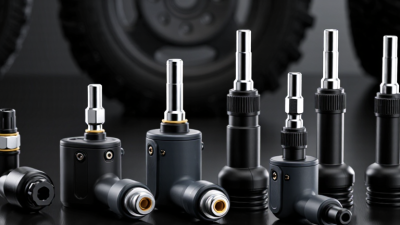
Commercial fleets can choose between direct and indirect tire pressure monitoring systems. Direct TPMS uses a sensor at each tire to measure pressure, and some models also report temperature. Internal sensors sit inside the tire, often attached to the valve stem. They are protected from road debris, but tire service may require extra care. External sensors attach to valve stems and are easier to inspect or replace. They can be more exposed to impacts and theft.
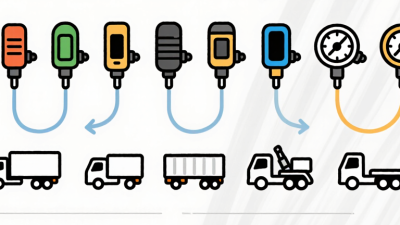
Indirect TPMS estimates pressure changes by comparing wheel speeds, usually through existing vehicle systems. It may cost less, but it does not measure pressure directly or identify every tire’s pressure. For trucks and trailers, direct wireless systems can send readings to an in-cab display or fleet platform. Wired systems are another option, though installation can take more time. Trailer coverage and correct axle mapping matter. A neat dashboard can still display misleading data if a trailer is assigned incorrectly.
Tips: Check sensor compatibility, battery life, and service procedures before choosing. Test signal coverage across the full trailer combination. Keep a reliable manual gauge for verification; no system is perfect. Decide whether drivers need simple alerts or maintenance teams need recorded pressure trends.
| TPMS Type | How It Works | What It Monitors | Commercial-Fleet Advantages | Limitations to Consider | Potential Fleet Fit |
|---|---|---|---|---|---|
| Direct TPMS — Internal Valve-Stem Sensor | A battery-powered sensor mounted at the valve stem inside each tire transmits readings to a receiver or vehicle system. | Measures tire pressure directly; many systems also report internal tire temperature. | Provides tire-by-tire readings and can alert drivers to pressure changes while operating. Internal placement protects the sensor from many road impacts. | Installation and replacement generally require tire service. Sensor batteries have a finite service life, and the system must support the vehicle’s wheel and tire configuration. | Trucks and buses where per-tire visibility and in-service alerts are priorities. |
| Direct TPMS — Internal Band-Mounted Sensor | A sensor is secured to a band attached inside the wheel, rather than being integrated with the valve stem. | Measures pressure directly; temperature reporting depends on the system. | Can accommodate some wheel and valve arrangements that are not suited to a valve-stem sensor. The sensor is located inside the tire assembly. | Requires tire dismounting for installation or service. Correct band fitment and secure installation are important, particularly in demanding operating conditions. | Mixed commercial fleets that need direct readings and have compatible wheel assemblies. |
| Direct TPMS — External Valve-Cap Sensor | A sensor replaces or attaches to the valve cap and sends readings wirelessly to a receiver, display, or fleet platform. | Measures pressure at the valve; temperature capability varies by system. | Often simpler to install or replace than an internal sensor, and may allow checks without removing the tire from the wheel. | Exposed sensors can be vulnerable to impact, contamination, theft, or damage. Fleet maintenance must account for sensor security, valve compatibility, and battery replacement. | Vehicles needing a comparatively accessible retrofit, subject to route and operating-environment suitability. |
| Indirect TPMS | Uses wheel-speed information from the vehicle’s anti-lock braking system to infer that one or more tires may be underinflated. | Does not measure tire pressure directly; it identifies wheel behavior that may be consistent with pressure loss. | Can avoid pressure sensors and their individual batteries. It may use vehicle components already fitted for other functions. | Typically does not provide an actual pressure value for each tire. Performance depends on the vehicle system and operating conditions, and a warning may require a pressure check to identify the affected tire. | Vehicles with a suitable factory-fitted system where indirect warning is acceptable; assess carefully for multi-axle commercial applications. |
| Trailer TPMS with Direct Sensors | Direct sensors on trailer wheels send readings to a compatible in-cab receiver or fleet monitoring system. | Per-tire pressure, with temperature available on some systems. | Can extend tire visibility to trailers and help drivers or fleet staff identify a pressure issue away from the depot. | Requires compatible sensors, receiver coverage, and a process for pairing or managing trailers that move between tractors. Signal coverage and configuration should be checked for the full combination. | Tractor-trailer operations, especially fleets with shared, rotating, or high-utilization trailers. |
| Selection Considerations for 2026 | Compare sensor approach, vehicle and wheel compatibility, receiver coverage, alerting, data access, installation, and maintenance requirements. | Check whether the system reports pressure only or both pressure and temperature, and whether it identifies individual tires. | Match the system to fleet size, vehicle and trailer mix, routes, maintenance capacity, and the need for driver or remote fleet alerts. | There is no single best TPMS for every fleet. Confirm operating limits, regulatory requirements, and compatibility with the vehicle and tire setup before purchase. | Choose based on the fleet’s specific vehicles, operating conditions, and maintenance plan. |
Note: Features, sensor life, operating limits, and compatibility vary by system. Verify specifications for the exact vehicle, wheel, tire, and trailer configuration. A TPMS is an aid to tire maintenance and does not replace routine pressure checks or inspections.
A fleet TPMS should do more than display tire pressure. It should identify the exact vehicle, axle, and tire, then send clear alerts for slow leaks and rapid pressure loss. Reliable sensors, a useful temperature range, and signal coverage across trailers matter on real routes. So do replaceable parts and simple sensor pairing; a complicated service process can leave a vehicle unmonitored. Small details matter.
The U.S. Department of Energy’s fuel-economy guidance says properly inflated tires can improve gas mileage by about 0.6% on average, with savings of up to 3%. NHTSA’s 2005 TPMS rulemaking analysis estimated meaningful reductions in severe underinflation for passenger vehicles, but those results should not be treated as a guaranteed fleet outcome. Fleet managers should check alert accuracy against a calibrated gauge and review pressure trends alongside maintenance records. A screen full of alerts can still hide a poor sensor fit.
Tips: Test the system on a cold start, then compare readings at each wheel. Confirm it supports your vehicle and trailer configurations before rollout. Ask how it handles sensor failures, low batteries, and lost signals. A short pilot helps reveal gaps. Not every dashboard is intuitive.
Prioritize accurate pressure and temperature readings, timely alerts, and clear fleet-wide visibility. The percentages are a practical evaluation framework—not survey results—and can be adjusted to match your fleet’s vehicles and operating conditions.
Choosing a fleet TPMS in 2026 starts with the operation, not the dashboard. Regional delivery vehicles make frequent stops, so drivers need alerts they can understand quickly between routes. Long-haul tractors benefit from consistent tire data across trailers and tractor swaps. Off-road or vocational fleets may need rugged sensors and reliable readings around dust, vibration, and changing loads. One setup rarely fits every duty cycle.
Compare systems by sensor coverage, alert timing, connectivity, and maintenance needs. Check whether the system monitors trailers as well as tractors, and how it handles a lost sensor signal. Ask how pressure and temperature alerts reach drivers and dispatchers, including when vehicles are outside cellular coverage. Useful reporting should help maintenance teams spot repeated pressure loss, not just produce more charts. Keep installation time and replacement procedures in view; a technically impressive system can become a burden if technicians struggle to service it.
Test the shortlist on a small group of vehicles before fleet-wide rollout. Include a busy delivery route and a vehicle with frequent trailer changes, if those reflect your work. Compare alerts with manual gauge checks and record false alarms, missed readings, and time spent responding. Be honest about the limits: a short pilot may not reveal seasonal patterns or long-term sensor failures. And dashboards can distract. The best fit is the system your drivers and maintenance staff can use consistently, with data that leads to practical decisions.