10 Best Tire Valve Sensors for Global Buyers?
Choosing the right tire valve sensor is no longer a minor purchasing decision. It affects safety alerts, maintenance costs, vehicle uptime, and customer trust across different markets.
Industry data supports this shift. The U.S. National Highway Traffic Safety Administration reports that underinflated tires reduce fuel efficiency and increase tire failure risks. Grand View Research identifies connected vehicle systems and tire-pressure monitoring as growing automotive technology segments. MarketsandMarkets also projects continued expansion in the global TPMS market, driven by vehicle safety requirements and increasing fleet digitalization. These reports offer useful direction, but market forecasts are not purchase guarantees.
Global buyers must look beyond price. A reliable sensor should match the vehicle’s frequency, valve design, communication protocol, and relearning process. Battery life matters, especially for delivery vans crossing hot highways or freezing mountain routes. Weather sealing also deserves attention. A sensor exposed to saltwater, dust, and repeated temperature changes may fail before its advertised service life.
This guide examines ten leading tire valve sensor options for international buyers. It compares accuracy, compatibility, installation effort, warranty support, and regional availability. Some specifications appear impressive on paper. Real-world performance can differ.
That uncertainty matters.
Product data may be incomplete, firmware support may vary, and replacement valves may not fit every rim. Buyers should verify manufacturer documentation, independent testing, and local compliance requirements before ordering. The best choice is not always the most advanced model. It is the sensor that performs consistently within a clearly understood operating environment.
What Tire Valve Sensors Are and How They Work
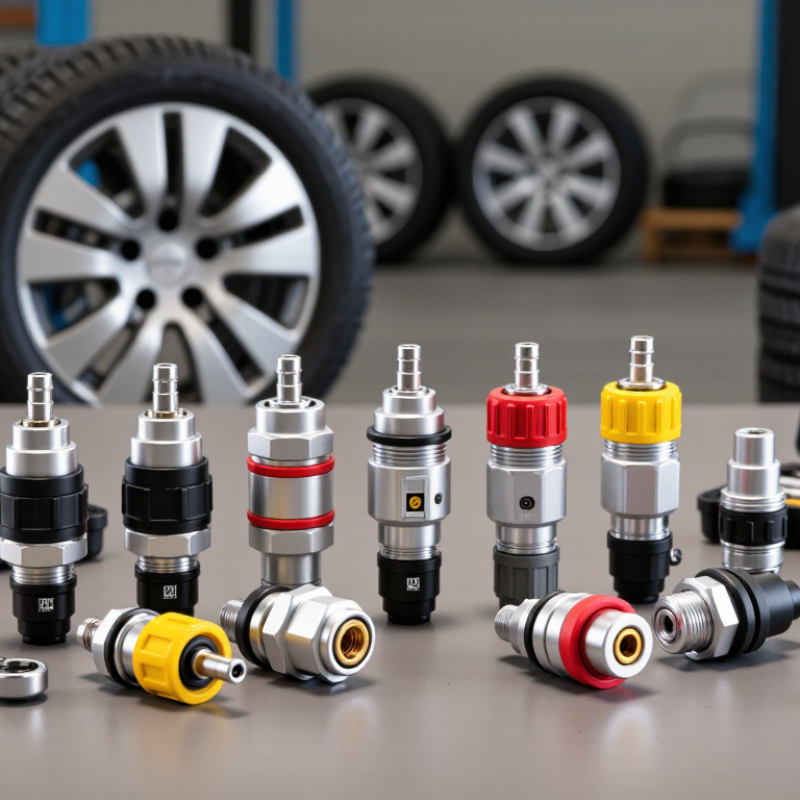
Tire valve sensors are small measuring devices fitted inside or near a wheel’s air valve. They monitor tire pressure and, in many designs, temperature. A sensor usually contains a pressure element, a temperature probe, a battery, and a wireless transmitter. It sends readings to a receiver in the vehicle.
The process is practical but not mysterious. Air pressure bends a sensing element inside the unit. Electronics convert that movement into a digital value. The sensor then transmits data at intervals or when pressure changes sharply. The dashboard compares the reading with a programmed warning threshold. A cold morning can lower displayed pressure slightly. Heat from driving can raise it.
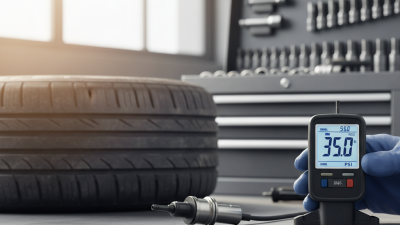
Inside the workshop, correct installation matters. The valve must seal evenly against the rim. A damaged seal can cause a slow leak, even when the sensor itself works correctly. Tire pressure should be checked with a calibrated gauge, not only through the dashboard. That detail is easy to overlook.
Most valve sensors use replaceable or sealed batteries. Sealed versions are convenient, but the whole sensor may require replacement after several years. Wireless frequencies and vehicle learning procedures can differ between markets. Buyers should verify compatibility before ordering. Universal sensors are not always universal in practice. I have found that fitment charts can still contain errors, so checking the vehicle’s model year and original sensor details remains wise. A sensor reports conditions; it does not repair an underinflated tire.
10 Best Tire Valve Sensors for Global Buyers? - What Tire Valve Sensors Are and How They Work
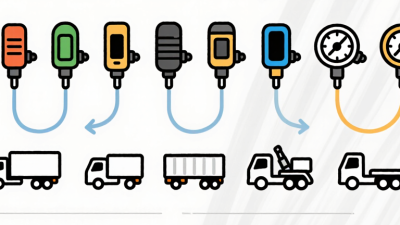
Tire valve sensors are pressure-monitoring devices installed inside or outside a wheel. They measure tire pressure and, in many direct TPMS designs, temperature, then transmit the data to a vehicle receiver or display. The specifications below represent practical, commonly available sensor configurations for different vehicle and operating requirements.
| Rank | Recommended Sensor Profile | Sensor Design | Typical Valve Fitment | Typical Pressure Range | Operating Temperature | Power Source | Wireless Frequency | Ingress Protection | Best Use Case |
|---|---|---|---|---|---|---|---|---|---|
| 1 | Universal Internal Passenger-Car Sensor Best overall |
Direct TPMS sensor mounted inside the wheel; pressure and temperature measurement | Clamp-in aluminum valve or compatible rubber snap-in valve | 0–87 psi (0–6 bar) | -40°C to 125°C | Sealed lithium battery; typically 5–10 years | 315 MHz or 433 MHz, depending on market | IP67 or higher | Passenger cars, SUVs, and light commercial vehicles requiring dependable year-round monitoring |
| 2 | External Screw-On Sensor Easy installation |
Direct sensor attached to the outside of the valve stem with a threaded cap | Standard Schrader valve stem | 0–87 psi (0–6 bar) | -20°C to 85°C | Replaceable coin-cell battery; commonly 1–2 years | 315 MHz or 433 MHz, depending on market | IP67, when correctly sealed | Aftermarket installation, rental vehicles, and drivers who do not want to remove the tire |
| 3 | Rubber Snap-In Internal Sensor Cost-conscious choice |
Compact sensor integrated with a flexible rubber valve assembly | Rubber snap-in valve hole, commonly used on passenger-car wheels | 0–87 psi (0–6 bar) | -40°C to 125°C | Sealed lithium battery; typically 5–7 years | 315 MHz or 433 MHz, depending on market | IP67 or higher | High-volume vehicle servicing where low replacement cost and simple fitment are important |
| 4 | Clamp-In Metal-Valve Sensor Durable fitment |
Internal sensor secured to the wheel with a metal valve and retaining hardware | Metal clamp-in valve for alloy or steel wheels | 0–87 psi (0–6 bar) | -40°C to 125°C | Sealed lithium battery; typically 5–10 years | 315 MHz or 433 MHz, depending on market | IP67 or higher | Vehicles exposed to frequent wheel service, higher speeds, or demanding road conditions |
| 5 | High-Pressure Light-Truck Sensor Commercial vehicle |
Heavy-duty direct sensor designed for higher tire pressures and larger wheels | Heavy-duty metal clamp-in valve | 0–145 psi (0–10 bar) | -40°C to 125°C | Sealed lithium battery; typically 5–8 years | 315 MHz or 433 MHz, depending on market | IP67 or higher | Light trucks, delivery vans, caravans, and utility vehicles |
| 6 | Trailer and Caravan Sensor Multi-axle monitoring |
External or internal direct sensor capable of supporting several wheel positions | Standard Schrader valve or compatible metal valve | 0–116 psi (0–8 bar) | -20°C to 85°C for external designs | Replaceable coin-cell battery or sealed lithium battery | 315 MHz or 433 MHz, depending on market | IP67 or higher | Trailers, caravans, recreational vehicles, and vehicles with multiple axles |
| 7 | Heavy-Duty Truck Sensor Fleet operations |
High-pressure direct sensor with long-range communication capability | Heavy-duty metal valve assembly | 0–203 psi (0–14 bar) | -40°C to 125°C | Sealed lithium battery; commonly 3–7 years | 315 MHz or 433 MHz, depending on market | IP67 or higher | Trucks, buses, coaches, and fleet vehicles operating under heavy loads |
| 8 | Motorsport and Performance Sensor Fast response |
Compact direct sensor optimized for rapid pressure and temperature updates | Lightweight clamp-in metal valve | 0–87 psi (0–6 bar) | -40°C to 125°C | Sealed lithium battery; service life varies with reporting rate | Market-specific 315 MHz or 433 MHz | IP67 or higher | Performance driving, track-day vehicles, and applications requiring frequent data updates |
| 9 | Solar-Assisted External Sensor Low-maintenance option |
External direct sensor with a small solar charging surface and replaceable backup battery | Standard Schrader valve stem | 0–87 psi (0–6 bar) | -20°C to 85°C | Rechargeable cell supported by solar charging; backup battery may be replaceable | 315 MHz or 433 MHz, depending on market | IP67, when correctly sealed | Long-term aftermarket use where reduced battery replacement is preferred |
| 10 | Temperature-Focused Fleet Sensor Early-warning monitoring |
Direct TPMS sensor that reports both inflation pressure and tire temperature | Clamp-in metal valve or heavy-duty valve assembly | 0–145 psi (0–10 bar) | -40°C to 125°C | Sealed lithium battery; typically 5–8 years | 315 MHz or 433 MHz, depending on market | IP67 or higher | Commercial fleets seeking early warning of underinflation, overheating, and abnormal loading |
Note: Pressure ranges, wireless frequencies, battery life, and vehicle compatibility vary by sensor design and destination market. Always confirm the required frequency, valve type, receiver compatibility, regulatory requirements, and relearning procedure before purchase or installation.