How to Choose the Right Dill TPMS Sensor?
Choosing the right dill tpms sensor is not simply a matter of matching a part number. The correct choice depends on vehicle year, wheel type, frequency, valve design, and programming requirements. A sensor that looks identical on the workbench may communicate differently once installed. That small difference can trigger a warning light, delay delivery, or create an avoidable return.
Michael Caveney, a TPMS industry specialist associated with Dill Air Controls, explains the practical priority: “The right sensor must fit the vehicle, communicate correctly, and remain serviceable after installation.” That principle deserves attention. Before buying, verify the vehicle identification number, original sensor frequency, relearn procedure, and supported application list. Check the valve stem, too. Corrosion around the rim, a damaged seal, or the wrong torque can cause a slow leak.
A reliable dill tpms sensor should also suit the technician’s workflow. Some sensors require dedicated programming tools. Others support broader vehicle coverage but need current software. Ask whether the sensor is pre-programmed, programmable, or cloneable. Confirm battery quality and warranty terms. Cheap choices can become expensive after repeated diagnosis.
Experience matters here. Still, experience can be imperfect. Application databases occasionally contain errors, and vehicle specifications may vary by market. A careful technician checks the sensor against the vehicle, not memory alone. That extra minute beside the tire can prevent hours of troubleshooting later. The best decision combines verified data, practical fitment, and dependable technical support.
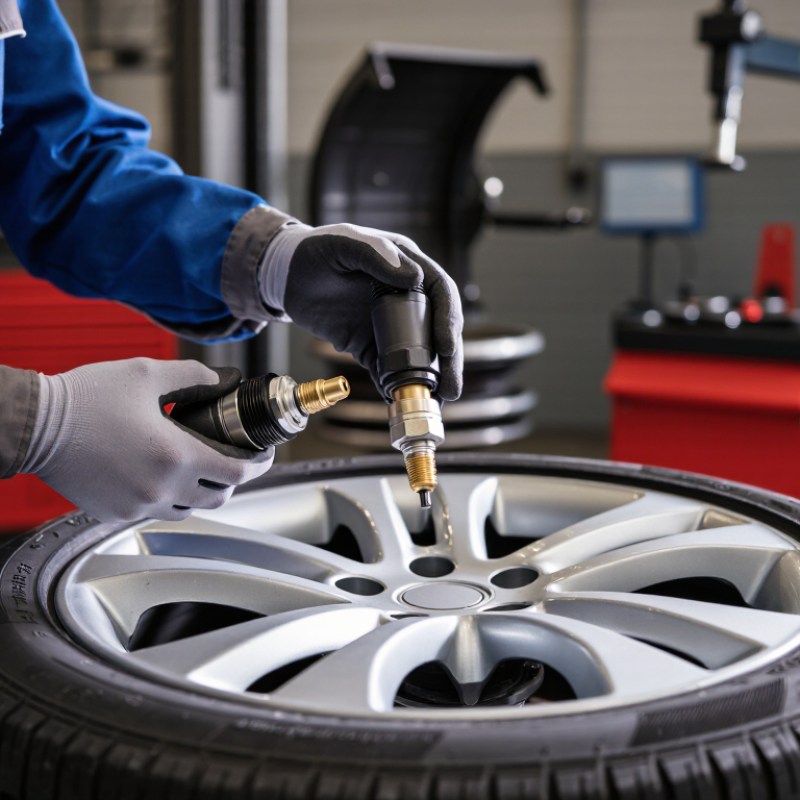
Understanding Dill TPMS Sensor Types and Vehicle Compatibility
Choosing the right Dill TPMS sensor starts with sensor type, not price.
Direct sensors sit inside each wheel and measure pressure in real time. Indirect systems estimate pressure through wheel-speed changes. They are not interchangeable.
Vehicle compatibility depends on more than the model year.
Check the original sensor’s frequency, valve-stem design, communication protocol, and relearn method.
North American vehicles commonly use 315 MHz, while many European applications use 433 MHz.
A wrong frequency may leave the warning lamp active. It may also create unreliable readings.
NHTSA’s TPMS effectiveness analysis found that tire-pressure monitoring can reduce severely underinflated tires by about 55%. The U.S. Department of Energy reports that correct inflation can improve fuel economy by up to 3%.
Those figures make compatibility a safety issue, not a catalog detail. In workshop practice, technicians should compare the vehicle identification number, application chart, and sensor data before installation.
A matching year is not enough. Always verify.
Valve material matters too.
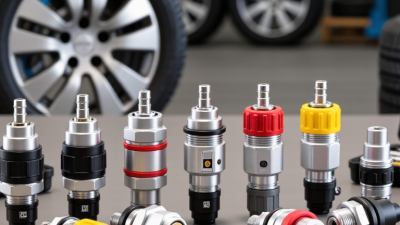
Rubber snap-in valves suit many standard wheels, while metal clamp-in valves fit applications requiring higher durability.
After installation, perform the specified relearn procedure and confirm each tire’s pressure on the display.
One honest limitation remains: databases can contain errors or lag behind model updates. Physical inspection still matters.
Checking Frequency, Valve Stem, and Communication Requirements
Choosing the right Dill TPMS sensor starts with frequency, because the wrong signal cannot communicate with the vehicle. Check the vehicle service data or scan-tool database before ordering. Common frequencies vary by market and model year. Never rely only on the vehicle’s appearance. Two similar cars may use different communication protocols.
The valve stem also deserves close attention. Match the stem angle, hole size, material, and mounting style. Metal stems usually need careful torque control and a fresh sealing washer. Rubber stems require the correct grommet and nut. Inspect the wheel hole for corrosion or damage. A perfect sensor can still leak when the seal is pinched. I have seen this small mistake create a slow leak days after installation.
Communication requirements include sensor activation, registration, and relearn procedures. Some vehicles learn automatically after driving, while others require a diagnostic tool. Confirm whether the sensor supports the vehicle’s data format, not just its frequency. Check pressure and temperature readings after installation. The readings should remain stable during a short road test. Battery condition matters too, especially for sensors stored for long periods. My earlier habit was trusting a successful activation as proof of compatibility. It is not. A sensor may transmit clearly yet fail during vehicle relearn. Record the identification number and final pressure readings for future service.
Matching Sensor Features to Driving Conditions and Tire Setup
Choosing the right TPMS sensor starts with your driving conditions, not just the vehicle model. A sensor for daily city use may not suit long highway trips, harsh winters, or frequent towing. Check the required frequency, pressure range, temperature rating, and valve-stem design before purchase. These details must match the vehicle’s original system and wheel construction.
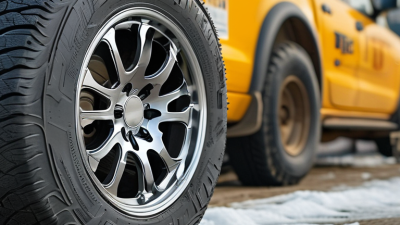
Tire setup matters just as much. A second wheel set may need separate sensors and a relearn procedure after installation. Larger tires, run-flat designs, or heavy loads can change pressure requirements. For snowy regions, choose materials that resist corrosion from salt and moisture. For trailers or commercial use, prioritize stable readings under heat and sustained pressure. Programmable sensors offer flexibility, but they require correct vehicle data and careful activation.
“
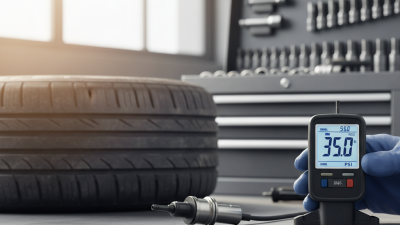
I once focused too much on fitment charts. The sensor installed correctly, yet the warning stayed on. The issue was incomplete relearning. Small details matter. Ask a qualified tire technician to verify the sensor ID, sealing washer, valve torque, and communication process. Do not assume every universal sensor performs equally across all vehicles. A practical check after installation is simple: compare the dashboard reading with a calibrated gauge when the tires are cold. Readings may differ slightly, but large gaps need investigation. Sensor choice is not perfect on paper; road use can reveal weaknesses.
Comparing Programming Methods, Coverage, and Installation Needs
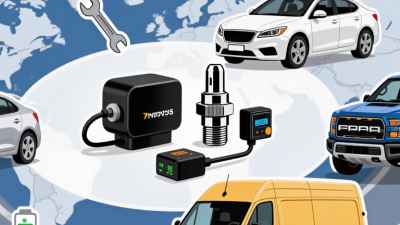
Choosing the right Dill TPMS sensor starts with programming, not appearance. A sensor may look correct yet use the wrong vehicle protocol. Direct programming requires a compatible diagnostic tool and the vehicle’s identification data. Copy programming transfers information from the original sensor. Auto-learning is easier, but the vehicle may need a short drive before recognizing the replacement. That delay can confuse installers and drivers.
Coverage matters just as much. Check the exact model year, trim, frequency, valve design, and relearn procedure. The National Highway Traffic Safety Administration estimated that TPMS reduced severely underinflated tires by 55.6% after its U.S. mandate. That benefit depends on accurate sensor communication. A broad coverage claim is useful, but it is not proof of complete compatibility. Databases can contain gaps. I have seen technicians verify applications twice, especially after wheel changes.
Installation needs are equally practical. Confirm whether the sensor supports the required rubber or metal valve stem. Use a calibrated torque wrench, fresh sealing components, and a proper scan tool. The Tire Industry Association recommends following vehicle-specific service procedures because incorrect valve installation can cause air loss. Small details matter. After fitting, check each tire’s pressure and confirm the warning light resets. A rushed relearn can leave one wheel silent. That is an uncomfortable mistake, but it is preventable.
Verifying Quality, Warranty, and Long-Term Sensor Reliability
How to Choose the Right Dill TPMS Sensor?
A reliable Dill TPMS sensor should provide more than accurate pressure readings. Check its construction, battery design, valve quality, and communication compatibility. A professional supplier should provide test records, installation guidance, and clear technical specifications. Look for sensors tested across temperature changes, vibration, and repeated pressure cycles. These details matter during cold mornings, long highway trips, and sudden weather changes. I have found that a clean valve seal often prevents more problems than advanced software. It is easy to overlook.
Tips: Ask about the warranty before purchasing. Confirm its duration, coverage, and replacement process. A strong warranty should address early battery failure, signal loss, and manufacturing defects. Also check whether labor, shipping, or reprogramming costs are excluded. Small wording differences can become expensive later. Keep the receipt and installation record.
Long-term reliability depends on correct installation and stable battery performance. A sensor may work perfectly in a workshop, then fail after months of heat and road vibration. Choose a supplier that explains expected battery life without making unrealistic promises. Independent test results and traceable quality inspections add confidence. Be cautious when specifications seem incomplete. I sometimes prefer a simpler sensor with honest documentation over a cheaper model with impressive claims. Review replacement availability too, because a dependable sensor is less useful if future support disappears.