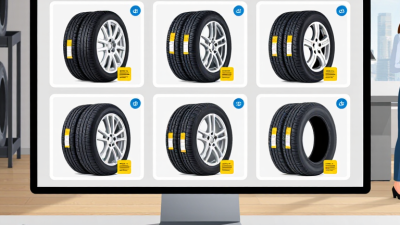
Choosing the best tire website for global buyers in 2026 means looking beyond a low price or a polished homepage. A tire may appear suitable, yet still have the wrong size, load rating, or seasonal rating for a vehicle. Reliable product pages should make these details easy to check. Clear photos, current stock information, and plain explanations also help buyers compare options with fewer surprises.
Then comes the harder part: delivery. International shoppers need realistic shipping estimates, visible costs, and responsive support when a shipment is delayed or a specification is unclear. A trustworthy tire website should explain its return process and state where its service applies, rather than imply that every destination is covered. Look for consistent product data and advice that encourages checking the vehicle manual or consulting a qualified installer. Small details matter. A missing load index can matter more than a discount.
This guide compares the features that make online tire shopping practical across borders, from search tools to after-sales help. It does not assume one store will suit every driver, budget, or location. Even a well-designed site can leave questions unanswered; that is worth noticing. By weighing evidence, clarity, and service alongside price, global buyers can make a more informed choice in 2026.
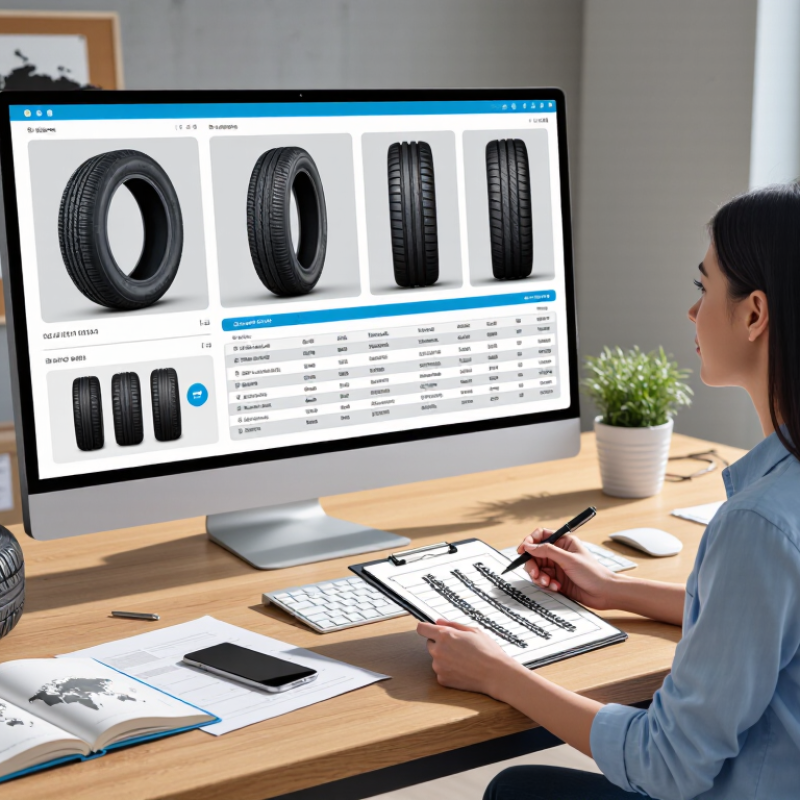
For global buyers in 2026, a useful tire website does more than display product photos. It lists tire size, load index, speed rating, construction, and intended road conditions in clear, consistent units. Search filters should narrow results by vehicle, size, season, and application, while product pages show tread images and technical specifications. Small details matter.
International purchasing adds practical questions. Buyers need to see stock status, minimum order quantities, packaging options, and estimated dispatch times before requesting a quote. Clear shipping terms and support across time zones can prevent avoidable delays. A reliable site also explains what documents are available for each product, rather than making vague claims about quality or suitability.
Fitment information deserves careful checking. A website may suggest a match, but buyers should compare the listed size and ratings with their vehicle requirements and confirm details with the seller. A clean catalog can still leave gaps, especially when regional naming differs. Not every listing is complete. Useful websites make those gaps visible, provide a direct way to ask technical questions, and give answers that can be checked against product specifications.
A useful tire website makes selection clear before it makes purchasing easy. Start with the vehicle’s required size, then compare width, aspect ratio, rim diameter, load index, and speed rating. These figures should be easy to find and consistent across the product page, specification sheet, and fitment guide. Small differences matter.
Look for practical details, not just polished photographs. A strong listing explains tread type, intended road conditions, seasonal use, and any stated performance limits. Close-up images can show groove patterns, while a readable sidewall diagram helps buyers verify markings. Check whether technical terms are defined. Global buyers may use different measurement systems, so units should be labeled rather than assumed.
Product information should also support careful comparison. Searchable filters for size, vehicle category, and use can save time, but filters are only as reliable as their data. Check the listed manufacturing date policy, warranty terms, shipping estimates, and return conditions for your destination. These details can change. Even a tidy page may omit a key fitment note, so confirm specifications against the vehicle manual or a qualified tire professional. A little doubt is healthy. A clear contact channel matters when two listings look nearly identical but show different load ratings.
How to assess tire selection and product information: start by checking whether listings clearly show key tire-label ratings.
How to read this chart: Under the EU tire label system, fuel efficiency and wet grip each use five rating classes (A–E). External rolling noise uses three classes (A–C) and is also reported in decibels. Clear listings make these details easier to compare.
Source: European Commission, EU tyre labelling information.
For global buyers, a useful tire website makes the real cost visible before checkout. Compare the price per tire, not just the advertised set price. Then check whether taxes, handling, and delivery are included or added later. A low listing can become expensive once four tires and freight are counted. Keep a simple comparison sheet with tire size, load and speed ratings, total cost, and estimated arrival date.
Shipping details deserve a close look. Does the seller provide a tracking estimate, explain packaging, and state what happens if a tire arrives damaged? Check whether delivery reaches your region, including remote areas, and whether the quoted timeline is an estimate or a firm dispatch window. Small distinction. A warehouse may show stock, while the requested size is actually delayed. Contact support with your exact tire size and destination before paying; save the reply.
Regional availability is more than a country selector. Look for sizes commonly used in your vehicle’s market, clear fitment guidance, and stock status that applies to your location. Confirm the tire’s date information and warranty terms in writing, since coverage can differ by destination. Reviews can help, but prioritize recent comments about delivery and customer service over vague praise. I would still verify fitment with the vehicle manual or a qualified installer; online filters sometimes miss trim-level differences. One comparison may feel tedious, but it can prevent a costly mismatch.
A reliable tire website makes its seller easy to verify. Look for a real business address, working customer-service details, and clear company information. Check whether product listings show the exact tire size, load index, speed rating, and manufacturing date or date range. These details help prevent costly mismatches. A polished website is not proof of a trustworthy seller.
Read independent customer reviews, not only testimonials hosted on the site. Look for specific accounts of delivery times, damaged packages, and how complaints were handled. Check that payment pages use secure connections, and save order confirmations and product descriptions. Keep screenshots. They may help if a listing changes after purchase. Still, reviews can be incomplete or outdated, so use them as clues rather than guarantees.
Contact support before ordering with a practical question about fitment or delivery to your country. A useful reply should be clear, specific, and consistent with the listing. Then read the return policy closely: note the deadline, return shipping costs, refund timing, and rules for tires that have been mounted. Ask who pays if the wrong item arrives or a tire is damaged in transit. International shipping and import charges can complicate returns. I would not assume “easy returns” means inexpensive returns; get important terms in writing before paying.
What Is the Best Tire Website for Global Buyers in 2026?
How to Choose a Tire Website for Your Market and Needs
The best tire website depends on where you drive, what you drive, and how the tires will reach you. Start with fitment: compare tire size, load index, speed rating, and vehicle requirements. A useful product page displays these details clearly, not just a price and a product photo. Check whether stock information is current and whether the site serves your destination. Small details matter.
UNCTAD’s Digital Economy Report 2024 estimates that e-commerce sales across 43 economies reached $27 trillion in 2022. That growth makes online selection easier, but it does not guarantee clear cross-border service. Before ordering, check delivery estimates, shipping fees, return terms, and how the seller handles damaged or incorrect items. For commercial buyers, ask about volume pricing and whether invoices and product specifications match your market’s needs.
Delivery reliability deserves close attention. The World Bank’s Logistics Performance Index 2023 assessed 139 economies across areas including customs, infrastructure, tracking, and timeliness. These measures can help buyers assess the shipping environment, though they cannot predict one shipment. I may be overvaluing logistics, but a low price loses appeal when tires arrive late. Compare support response times, too; a clear answer about fitment is worth more than a polished homepage.
| Website type | Best suited to | Useful information to look for | Potential limitation | Checks before ordering |
|---|---|---|---|---|
| Manufacturer’s product website | Importers and distributors seeking product specifications or direct supply inquiries. | Product range, tire size, load index, speed rating, intended use, technical documents, and inquiry contacts. | Public pricing, stock, minimum order quantities, and shipping terms may not be shown. | Request a current quotation, production lead time, order quantity, payment terms, and destination-specific compliance documents. |
| Business-to-business marketplace | Buyers comparing multiple suppliers, product specifications, and indicative offers. | Listed sizes, stated minimum quantities, supplier location, response details, and platform transaction or verification features. | Listings can be incomplete or outdated; platform checks do not replace independent supplier and product verification. | Confirm the legal supplier, exact tire specification, manufacturing origin, certificate validity, sample availability, and payment protections. |
| Local tire retailer or distributor website | Consumers and workshops needing local stock, installation, returns, or after-sales support. | Vehicle or size search, local availability, fitting services, delivery options, warranty terms, and return policies. | Selection and delivery coverage may be limited to the retailer’s service area or inventory. | Check the full tire size and ratings against the vehicle requirements, plus fitting fees, delivery timing, and warranty conditions. |
| Technical catalog or tire information website | Buyers who need to compare sizes, specifications, or application guidance before choosing a seller. | Size formats, load and speed ratings, dimensional data, tire type, and explanations of technical terms. | It may provide information without selling tires or confirming current stock and prices. | Cross-check fitment with the vehicle placard or manual and verify final specifications with the seller. |
| Cross-border e-commerce website | Buyers ordering tires internationally where the site supports delivery to their destination. | Destination eligibility, checkout currency, delivery estimates, tax or duty information, and return instructions. | Freight costs, customs charges, delivery restrictions, and return shipping can affect the total cost. | Confirm the delivered total, import responsibilities, local road-use requirements, and the process for damaged or incorrect goods. |
| Market-fit checklist: Match the tire to the vehicle or application; verify size, load index, and speed rating; confirm applicable local regulations and required markings; and obtain written confirmation of price, availability, shipping, and warranty. Requirements vary by destination and tire category, so verify them with the relevant authority or a qualified local importer. | ||||